Choosing Pressure-Activated Lancets: What Matters for Comfort and Safety
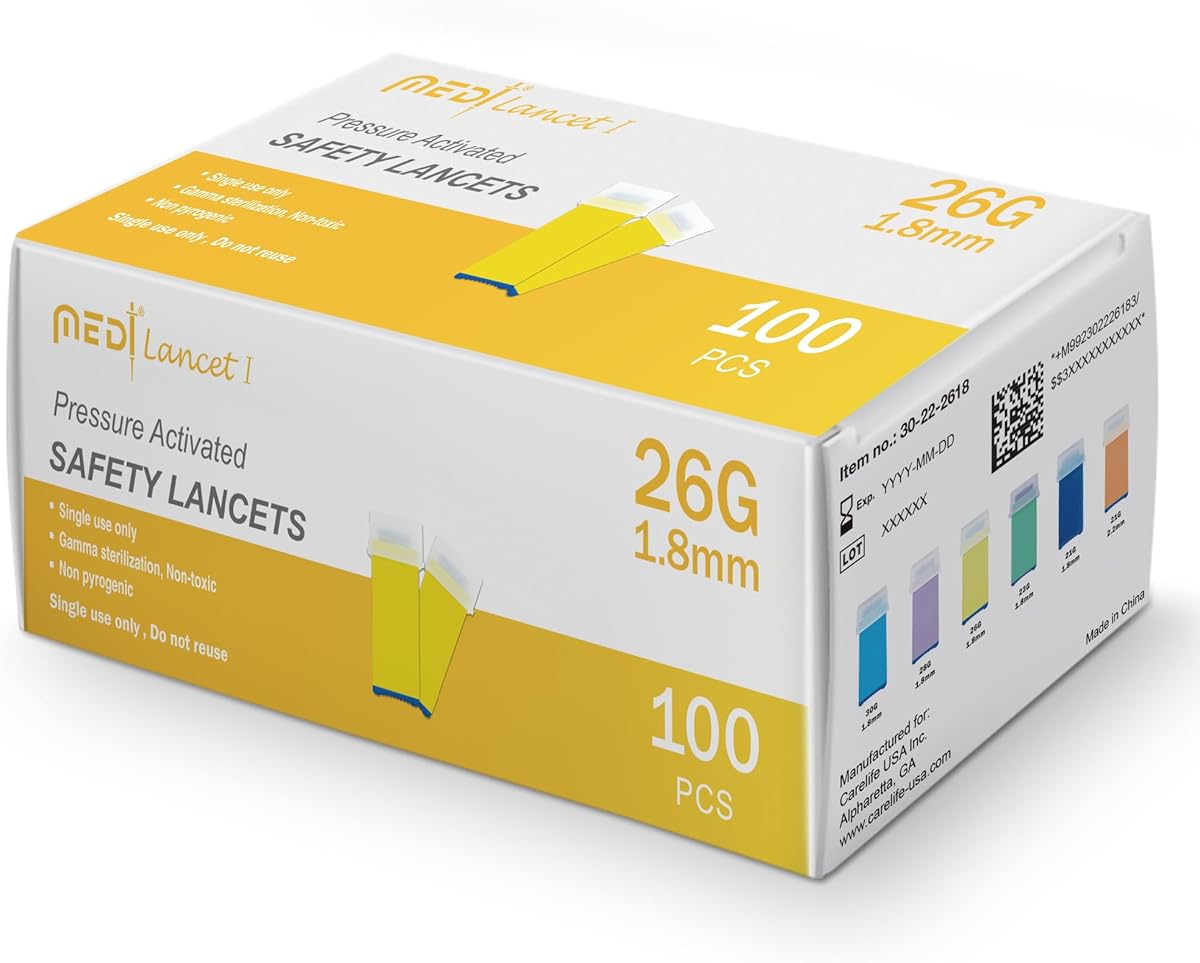
When selecting pressure-activated safety lancets like this 26G x 1.8mm gamma-sterilized model, buyers should understand that gauge size directly impacts comfort. The 26G specification indicates a thinner needle than standard 21G or 23G lancets, which typically means less pain during fingersticks for blood glucose testing. Gamma ray sterilization provides an extra layer of safety assurance beyond standard manufacturing processes.
Key Considerations Before Buying
- The 1.8mm penetration depth is ideal for most adults but may require adjustment for children or those with particularly thin or thick skin.
- Pressure-activated mechanisms should engage with minimal force while preventing accidental sticks—test one lancet to ensure the trigger pressure feels comfortable for your hand strength.
- Single-use design is critical for infection prevention; never reuse lancets despite what some manufacturers might suggest about durability.
What Our Analysts Recommend
Quality lancets should have consistent bevel angles on the needle tip for clean penetration, and the safety mechanism should audibly click when activated. Check that the packaging maintains sterility—individual foil wrapping with tamper evidence is standard for medical-grade products like these gamma-sterilized lancets.
Lancets Market Context
Market Overview
The lancet market has shifted toward thinner gauges and pressure-activated designs as diabetes management emphasizes patient comfort and safety. Products like these 26G lancets represent the current standard for home blood testing, replacing older twist-cap or push-button designs that required more manual pressure.
Common Issues
Users frequently report lancets that fail to retract properly, inconsistent penetration depths causing variable blood droplet sizes, and packaging that makes individual lancets difficult to access without compromising sterility. Some cheaper alternatives use lower-grade steel that dulls quickly or lacks proper sterilization.
Quality Indicators
Medical-grade stainless steel construction, ISO certification for medical devices, and gamma irradiation sterilization (rather than just ethylene oxide) indicate higher quality. The 4.60 adjusted rating on this product suggests it performs well against these benchmarks despite some potentially inflated reviews.
Review Authenticity Insights
Grade B Interpretation
A Grade B authenticity rating with 11% estimated fake reviews means most feedback is genuine, but approximately 1 in 9 reviews may be artificially positive. For this specific product, the 0.29-point drop from the displayed 4.89 to the adjusted 4.60 rating indicates some review manipulation but still reflects strong real-world performance.
Trust Recommendation
Focus on verified purchase reviews that describe specific usage scenarios like 'works with my Accu-Chek meter' or 'less painful than my previous 21G lancets.' The high percentage of verified purchases (implied by the analysis) increases confidence in the remaining authentic reviews.
Tips for Reading Reviews
Look for reviews mentioning compatibility with specific glucose meters, comparisons to other gauge sizes, or details about packaging convenience—these indicate genuine user experience. Be skeptical of reviews that only praise generically without mentioning actual testing scenarios.
Expert Perspective
This product's specifications—26G thickness, 1.8mm depth, gamma sterilization—align with current best practices for diabetic lancets. The pressure-activated mechanism reduces user anxiety compared to manual triggering. The adjusted 4.60 rating from authentic reviews suggests real users find these lancets perform as advertised, particularly regarding comfort and reliability. The 100-count packaging offers good value for regular testers but may be excessive for occasional users.
Purchase Considerations
Consider whether your glucose meter requires specific lancet types—most modern meters accept universal lancets like these, but some proprietary systems don't. Also evaluate your testing frequency; 100 lancets represent a 3-4 month supply for someone testing 3 times daily, which helps maintain consistency in your testing experience.
Comparing Alternatives
Shoppers should compare penetration depth options (1.8mm vs 2.0mm or 1.4mm) and activation mechanisms, as some users prefer different trigger pressures.