
Choosing an Adjustable Weighted Vest: Capacity, Comfort, and Construction Matter
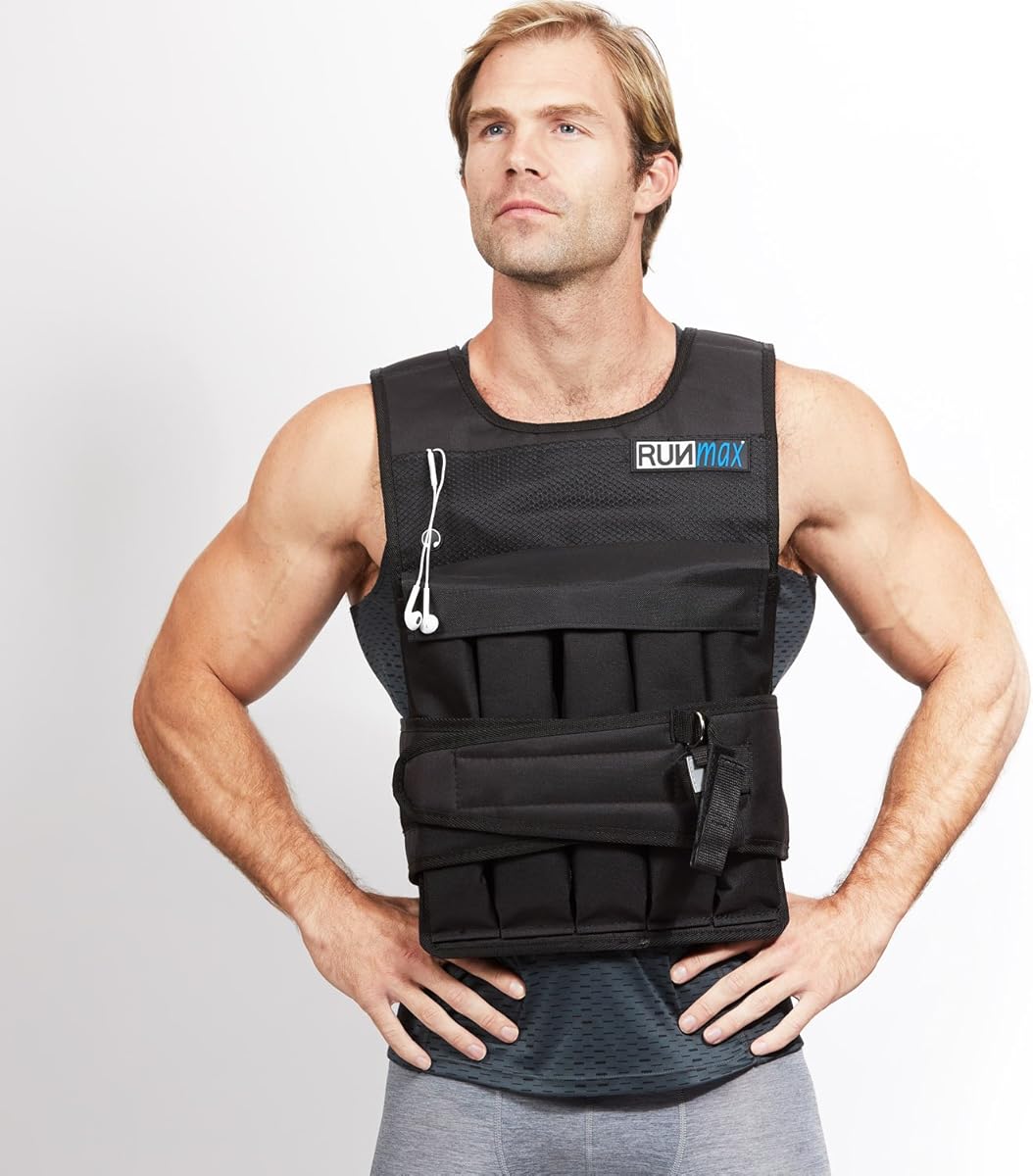
The RUNmax vest's 20-150lb adjustable range and optional shoulder pads represent two critical decisions for buyers. Unlike fixed-weight vests, this product's modular design requires evaluating how you'll use the weight increments and whether you need the padding upgrade for high-impact activities.
Key Considerations Before Buying
- The 130lb adjustment range (20-150lbs) suits progression training but requires assessing whether you'll actually use the upper weight tiers or if a smaller range would suffice.
- Optional shoulder pads indicate the base design may cause pressure points during running or high-rep workouts—consider your primary activities before deciding.
- The 'for Men and Women' claim warrants scrutiny of the sizing system; adjustable vests must accommodate different torso lengths and chest circumferences effectively.
What Our Analysts Recommend
Examine the weight distribution system: quality vests like the RUNmax use multiple compartments to prevent weight shifting during dynamic movement. Check whether the shoulder straps and waist adjustments maintain security without excessive tightening, which indicates poor weight balance.
Weight Vests Market Context
Market Overview
The adjustable weighted vest market has shifted toward modular systems like the RUNmax, replacing traditional sand-filled designs. Current offerings compete on maximum capacity, with 150lbs representing the higher end for consumer products.
Common Issues
Users frequently report inadequate shoulder padding leading to neck pressure, and poorly designed weight pockets causing unbalanced loading during running. Cheaper vests suffer from stitching failure at stress points after moderate use.
Quality Indicators
Look for reinforced stitching at all connection points, especially where shoulder straps meet the vest body. High-quality adjustable systems use steel weight plates rather than sandbags for precise loading and better weight distribution.
Review Authenticity Insights
Grade B Interpretation
A Grade B with 15% estimated fake reviews suggests generally reliable feedback but warrants careful review reading. The 0.39-point drop from the displayed 4.89 to adjusted 4.50 rating indicates some review inflation affecting the overall score.
Trust Recommendation
Focus on reviews discussing long-term durability (6+ months) and specific activities like rucking or CrossFit WODs, as these provide more actionable insights than generic praise. The high authentic percentage (85%) means most experiences are genuine.
Tips for Reading Reviews
Prioritize reviews mentioning actual weight used (e.g., 'loaded to 80lbs for rucking') and specific discomfort points. Be skeptical of reviews that only praise packaging or delivery speed without addressing vest performance.
Expert Perspective
The RUNmax's exceptional 4.50 adjusted rating from over 11,000 reviews indicates strong user satisfaction despite authenticity concerns. The 150lb maximum capacity exceeds most competitors, making it suitable for progressive overload training over years. However, the optional shoulder pads suggest the base design may require upgrades for comfort, a common trade-off in high-capacity vests.
Purchase Considerations
Evaluate whether you'll utilize the full 150lb capacity or if a lower maximum would save cost and bulk. Consider your shoulder sensitivity—if prone to pressure points, factor the pad option into your total cost. The vest's modularity benefits users who vary weight between activities like running and strength training.
Comparing Alternatives
Compare the RUNmax's weight increment system and padding options against similar adjustable vests in the 100-150lb range before purchasing.


