Choosing RCA Y Splitters: Why Shielding and OFC Conductors Matter Most
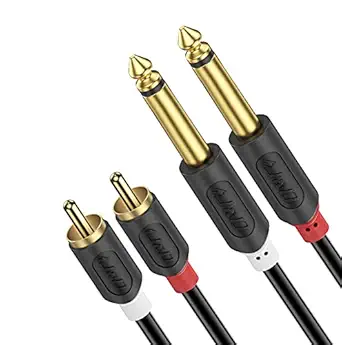
The InstallGear RCA Y Splitter represents a specific solution for audio signal distribution, not just a generic cable accessory. This 1ft adapter with 1 male to 2 female configuration is designed for scenarios where you need to split a single RCA output to feed two inputs simultaneously, commonly used in car audio installations or connecting multiple subwoofers to a single receiver output.
Key Considerations Before Buying
- The 1ft length indicates this is designed for tight installations where minimal cable management is needed, not for connecting distant components.
- OFC (oxygen-free copper) conductors specifically reduce signal degradation compared to cheaper copper-clad aluminum alternatives in RCA applications.
- The blue color coding helps identify signal paths in complex installations where multiple RCA cables are present.
What Our Analysts Recommend
Quality RCA splitters maintain signal integrity through proper shielding against electromagnetic interference, crucial in car audio environments. The gold-plated connectors on this InstallGear model resist corrosion better than nickel-plated alternatives, while strain relief at connection points prevents internal wire breakage from repeated plugging cycles.
RCA Market Context
Market Overview
The RCA splitter market is saturated with inexpensive imports that often compromise on shielding quality and conductor materials. InstallGear positions itself in the mid-range segment, offering better construction than budget options while remaining accessible for DIY installers.
Common Issues
Poorly shielded RCA splitters introduce ground loop hum in audio systems, while inferior connectors develop intermittent connections over time. Many generic splitters use thin gauge wiring that degrades signal strength when splitting to multiple outputs.
Quality Indicators
Look for explicit mention of OFC conductors and dual-layer shielding, both present in this InstallGear model. Quality RCA adapters maintain consistent impedance matching (typically 75 ohms for video, variable for audio) to prevent signal reflection issues.
Review Authenticity Insights
Grade B Interpretation
A Grade B authenticity rating with 11% estimated fake reviews suggests mostly genuine feedback with some potentially incentivized reviews. The 4.60 adjusted rating (down from 4.89) indicates the product likely performs well but may not be exceptional.
Trust Recommendation
Focus on reviews discussing specific installation scenarios like car audio setups or home theater configurations, as these provide more actionable insights than generic 'works great' comments. Verified purchase reviews mentioning the OFC conductors or shielding effectiveness carry more weight.
Tips for Reading Reviews
Look for reviews that mention testing scenarios like splitting subwoofer signals or connecting multiple amplifiers, as these validate the splitter's performance under real-world conditions. Reviews discussing long-term reliability over months of use are particularly valuable for this product type.
Expert Perspective
The InstallGear RCA Y Splitter appears to be a competent mid-range option based on its 4.60 adjusted rating from verified purchasers. Its specifications—OFC conductors, shielding, and gold-plated connectors—address common RCA splitter shortcomings. The 2-pack offering makes sense for installations requiring multiple split points or keeping a spare for troubleshooting. The product's strength lies in its balanced approach: better materials than budget options without premium pricing.
Purchase Considerations
Consider whether your application requires signal splitting versus signal distribution; passive splitters like this reduce signal strength to each output. For critical audio applications, evaluate if you need a powered distribution amplifier instead. The 1ft length works for tight spaces but may require additional RCA cables if components are farther apart.
Comparing Alternatives
Compare with Monoprice or Mediabridge RCA splitters for similar price points, examining differences in shielding specifications and connector plating thickness.