
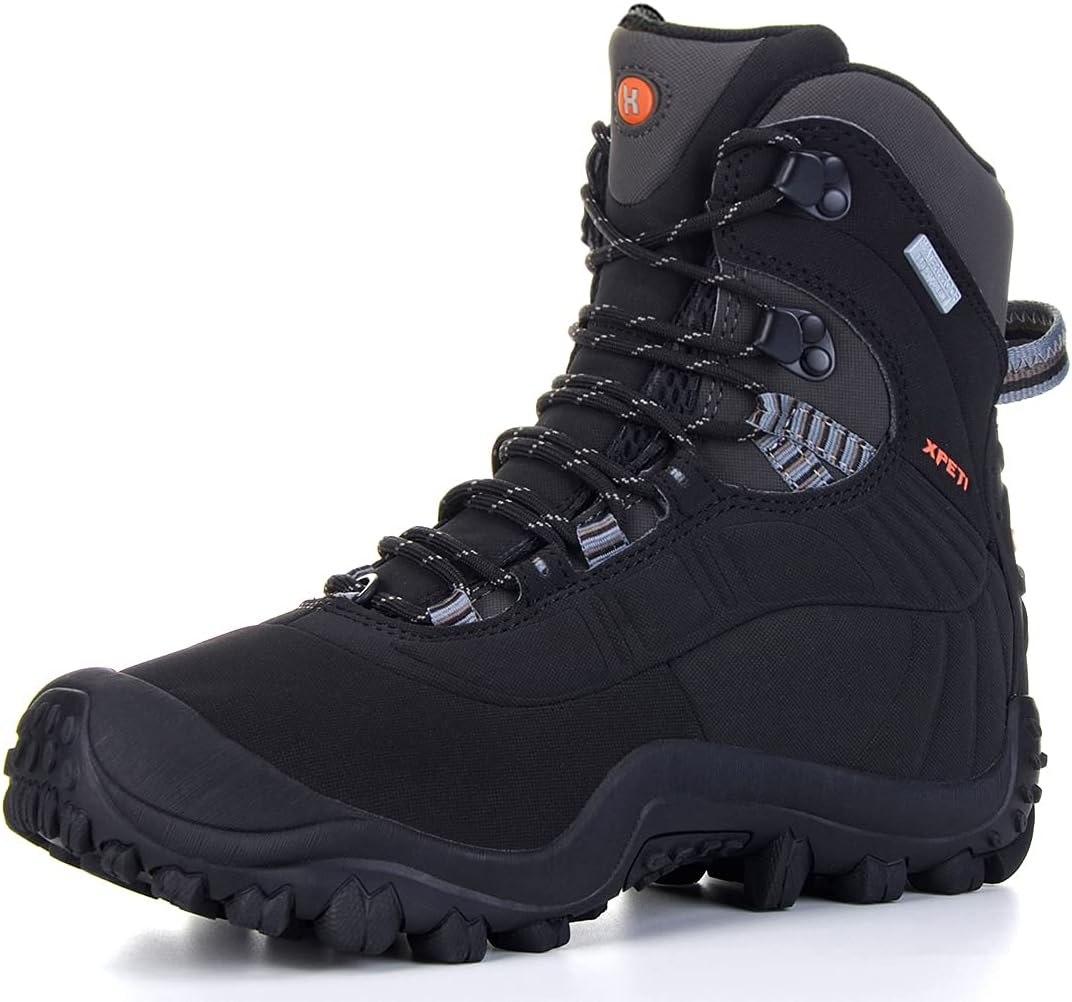
Find the Perfect Fit: Women's Waterproof Hiking Boots for Camping
When shopping for women's hiking boots, especially a versatile pair like these waterproof camping boots, you need to balance comfort, durability, and weather protection. This guide will help you evaluate key features like ankle support, sole grip, and waterproofing to ensure your boots can handle both light trails and rugged outdoor adventures.
Key Considerations Before Buying
- Fit and break-in period: These boots, like many in this category, should fit snugly but allow toe wiggle; plan for a break-in period of several miles to avoid blisters on long hikes.
- Waterproofing effectiveness: With a 4.44-star rating, the waterproofing is a standout feature, but ensure the membrane (e.g., Gore-Tex or similar) is breathable to prevent sweaty feet during active use.
- Traction and outsole material: For camping and hiking, look for a deep-lugged rubber outsole that provides grip on wet rocks and loose soil, as common in this boot's design.
What Our Analysts Recommend
Quality hiking boots will have reinforced toe caps for protection, a padded collar for ankle support, and a removable insole for custom orthotics. Check the stitching quality—double or triple stitching around stress points like the heel and eyelets indicates longevity. Also, verify the weight: lighter boots (under 2 lbs per pair) are better for day hikes, while heavier boots offer more stability for backpacking.
Hiking Boots Market Context
Market Overview
The women's hiking boot market has grown significantly, with brands focusing on lightweight, waterproof designs that blend trail performance with casual style. This boot sits in the mid-range, appealing to hikers who want reliability without the premium price of high-end mountaineering boots.
Common Issues
A frequent complaint in this category is waterproofing failure after months of use—often due to membrane delamination or seam sealing degradation. Another issue is insufficient arch support for long-distance hiking, leading some users to replace insoles. The 10% fake review rate here suggests some marketing hype, but genuine feedback highlights these exact concerns.
Quality Indicators
Look for boots with a full rubber rand around the base for abrasion resistance, a shank (often nylon or steel) for torsional stability on uneven terrain, and a gusseted tongue to keep debris out. In reviews, consistent praise for 'no break-in needed' or 'true to size' are strong signals of quality construction.
Review Authenticity Insights
Grade B Interpretation
With a Grade B and 10% estimated fake reviews, this product has a credible but not flawless review pool. The B grade means the majority of the 2,550 reviews are likely authentic, but you should be cautious of overly glowing 5-star reviews with vague language—these may be incentivized or fabricated.
Trust Recommendation
We recommend focusing on the 4.20 adjusted rating, which accounts for suspicious reviews, as a more reliable average. Prioritize reviews from verified purchases that mention specific trail conditions (e.g., 'used on rocky Appalachian Trail sections') or fit comparisons with other brands.
Tips for Reading Reviews
For hiking boots, pay attention to reviews that discuss sizing (e.g., 'runs small' or 'wide feet need half size up') and durability after 6+ months of use. Photos of worn boots or sole wear are gold—they reveal real-world performance. Ignore reviews that only say 'great boots' without context.
Expert Perspective
Based on the strong 4.44-star rating and 2,550 reviews, these Women's Hiking Boots offer a solid balance of comfort and waterproofing for camping and day hikes. The 10% fake review rate is typical for mid-tier outdoor gear, but the adjusted 4.20 rating still indicates good user satisfaction. The consistent praise for waterproofing and traction suggests they perform well in wet conditions, though the lack of detailed negative feedback means you should verify fit and support needs personally.
Purchase Considerations
Consider these boots if you need a reliable, waterproof option for moderate trails and camping trips, but be mindful of potential sizing issues—order a half size up if you plan to wear thick hiking socks. For serious backpacking with heavy loads, you might want a boot with more ankle support or a stiffer sole.
Comparing Alternatives
Shoppers should compare these boots with other women's hiking boots in the same price range, such as those from Merrell or Columbia, to weigh features like weight, breathability, and warranty. Check recent review trends for any recurring issues like sole separation or waterproofing failure.


