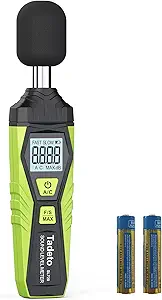
Choosing a Decibel Meter: What the RISEPRO HT-80A's Features Mean for You
When selecting a sound level meter like the RISEPRO HT-80A, understanding its specific 30–130 dB range and dual measurement modes is crucial. This model's auto power-off and data hold functions directly impact its utility for both spot checks and extended monitoring sessions.
Key Considerations Before Buying
- The HT-80A's dual ranges require you to manually switch between 30–80 dB and 50–130 dB; consider if your use case involves rapidly fluctuating noise levels that would make this switching inconvenient.
- Its MAX/MIN hold function is essential for compliance testing or identifying peak noise events, but lacks a logging feature for tracking noise over time.
- The backlight and auto power-off are practical for field use, but the device's overall durability and microphone protection are not detailed in core specifications.
What Our Analysts Recommend
For handheld meters, prioritize a clear calibration certificate or mention of ANSI/IEC standards, which the HT-80A listing should clarify. Examine reviews for comments on measurement consistency across the full range, especially near the 30 dB lower limit where cheaper sensors often struggle.
Sound & Noise Meters Market Context
Market Overview
The sub-$50 digital sound meter market is crowded with devices offering similar specs on paper, making brand reputation and verified performance critical. Products like the RISEPRO HT-80A compete primarily on added features like backlights and hold functions rather than superior base accuracy.
Common Issues
Common pitfalls include inconsistent calibration, poor low-end sensitivity (below 40 dB), and non-standard microphones that degrade quickly. Many units also suffer from vague instructions, making proper use of features like frequency weighting (A/C) difficult for novices.
Quality Indicators
Look for explicit mention of measurement standards (e.g., IEC 61672-1), a protective wind screen for the microphone, and detailed information on calibration. Reviews that mention specific, repeatable use cases—like workplace safety checks or acoustic panel testing—are stronger indicators of reliable performance.
Review Authenticity Insights
Grade B Interpretation
A 'B' grade with an 11% estimated fake review rate suggests the RISEPRO HT-80A's 4.3 adjusted rating is reasonably trustworthy, but shoppers should be slightly cautious of overly effusive praise. This level is typical for this price segment where some incentivized reviews are common.
Trust Recommendation
Focus on the 1, 2, and 3-star reviews for this product, as they are less likely to be manipulated and often reveal specific limitations, such as battery life or clarity of the LCD readout under different lighting conditions.
Tips for Reading Reviews
Prioritize reviews that describe specific measurement scenarios, like 'checking my generator at 15 feet' or 'monitoring classroom noise during group work.' These contextual details are hallmarks of genuine use and provide better insight than generic 'works great' statements.
Expert Perspective
The RISEPRO HT-80A presents a solid value proposition for non-professional users needing basic noise measurement. Its 4.3 adjusted rating from a substantial review pool indicates general satisfaction, particularly for its price point. The feature set—dual ranges, MAX/MIN, data hold—is practical for common tasks like checking appliance noise, DIY acoustic treatment, or informal workplace assessments. However, the absence of a documented calibration certificate in the core listing is a notable omission for anyone requiring traceable measurements.
Purchase Considerations
Purchase this meter if your needs are intermittent, sub-regulatory, and within its 30–130 dB range. Consider a more specialized instrument if you require data logging, Bluetooth connectivity, or measurements consistently below 35 dB, where lower-cost meters typically lack precision.
Comparing Alternatives
Shoppers should compare the HT-80A's feature set and reviews against similar models from brands like VLIKE or BAFX, which operate in the same price and specification bracket.