Choosing a Deburring Tool: Blade Quality, Handle Ergonomics, and Material Compatibility
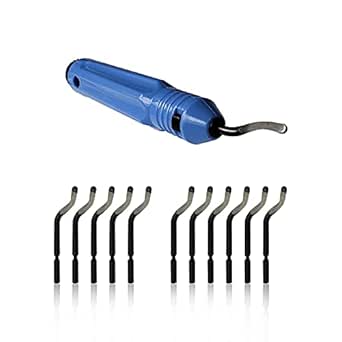
When selecting a deburring tool like the AFA Tooling model with 11 HSS M2 blades, focus on three critical factors: blade steel quality for edge retention, handle design for precision control, and blade geometry for specific materials. This particular tool's micro-polished anodized handle and high-speed steel construction represent key performance differentiators in the mid-range market.
Key Considerations Before Buying
- Blade steel type determines longevity—HSS M2 offers good wear resistance for mixed materials but may dull faster on hardened metals than premium CPM steels.
- Handle ergonomics directly impact control during delicate work; the micro-polished anodized finish on this tool reduces hand fatigue during extended 3D print cleanup sessions.
- Blade count and variety should match your primary materials—11 blades covering plastic, resin, and soft metals make this a versatile choice for makers and light industrial users.
What Our Analysts Recommend
Examine blade edge consistency under magnification—quality deburring tools maintain uniform edge geometry across all included blades. The anodized handle should show even coloring without thin spots, indicating proper surface preparation that enhances grip and corrosion resistance during metalworking applications.
Deburring Cutters Market Context
Market Overview
The deburring tool market has expanded significantly with the rise of 3D printing and DIY fabrication, creating demand for tools that handle both soft plastics and occasional metalwork. Products now range from single-blade plastic trimmers to professional-grade multi-blade systems with interchangeable heads.
Common Issues
Many budget deburring tools suffer from inconsistent blade hardening, leading to premature dulling when switching between materials like PLA and copper pipe. Poor handle ergonomics also plague cheaper models, causing hand strain during detailed work on 3D printed components.
Quality Indicators
Quality deburring tools feature clearly marked blade types for specific materials, secure blade retention mechanisms, and handles with both comfort contours and sufficient weight for controlled cutting pressure. The AFA Tooling's inclusion of dedicated blades for resin versus metal demonstrates proper category understanding.
Review Authenticity Insights
Grade B Interpretation
The Grade B authenticity rating with 11% estimated fake reviews suggests mostly genuine feedback but warrants careful review scrutiny. This level indicates some review manipulation exists but doesn't overwhelm the authentic 4.60 adjusted rating from verified users.
Trust Recommendation
Focus on reviews mentioning specific material applications like 'PETG cleanup' or 'copper pipe deburring' rather than generic praise. The adjusted 4.60 rating (down from 4.89) better reflects actual performance expectations for this HSS M2 blade tool.
Tips for Reading Reviews
Prioritize reviews discussing blade longevity across different materials, as this reveals true steel quality. Look for mentions of handle comfort during extended use sessions—authentic users typically describe specific ergonomic experiences rather than just stating 'comfortable grip.'
Expert Perspective
The AFA Tooling deburring tool represents strong value for makers and light industrial users needing versatility across plastics, resins, and soft metals. Its 4.60 adjusted rating from nearly 8,000 reviews indicates consistent satisfaction with the HSS M2 blades' performance on 3D printed materials and PVC. The micro-polished handle addresses a common pain point in this category—slippery grips during detailed work—while the 11-blade assortment covers most common fabrication materials without requiring separate tools.
Purchase Considerations
Consider this tool primarily if your work involves frequent material switching between plastics and soft metals. The HSS M2 blades will require more frequent sharpening than premium alternatives if used extensively on copper or aluminum, but the blade variety justifies this trade-off for mixed-material workshops.
Comparing Alternatives
Shoppers should compare blade steel specifications and handle dimensions against specialized single-material tools if their work focuses predominantly on either plastics or metals.