Choosing Hearing Protection: Balancing SNR Ratings, Comfort, and Durability
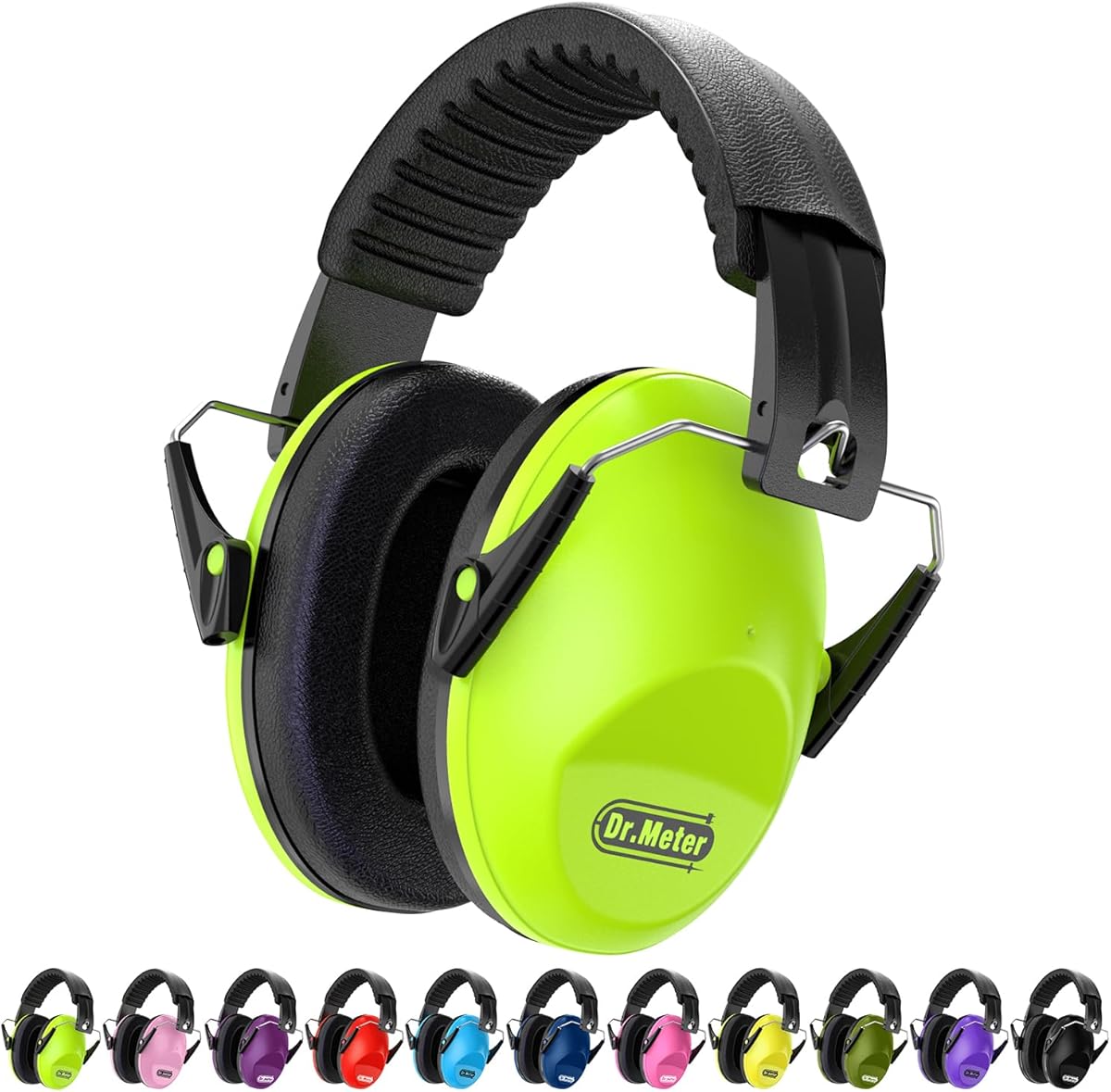
When evaluating the Dr.meter EM100 earmuffs, focus on its specific 27.4 SNR (Noise Reduction Rating) rating—this quantifies how many decibels of environmental noise it can block. Unlike generic noise-canceling headphones, these are ANSI-certified safety earmuffs designed for impulse noise protection at events like Monster Jam or fireworks displays. The adjustable headband and dual-shell cup design are critical for achieving a proper seal across different head sizes.
Key Considerations Before Buying
- The 27.4 SNR rating indicates substantial protection suitable for most recreational noise hazards, but industrial settings with sustained high-decibel exposure may require higher-rated protection.
- The 'autism sensory' designation suggests these muffs prioritize comfort for extended wear, with padded cups that don't create excessive pressure—important for users with sensory sensitivities.
- Adjustability isn't just about fit: the EM100's telescopic arms and rotating cups must maintain consistent tension to preserve the acoustic seal during movement at concerts or events.
What Our Analysts Recommend
Examine the cup pivot points and headband sliders for metal reinforcement rather than all-plastic construction, which affects durability. Quality earmuffs like the EM100 should have dense, slow-recovery foam in both the ear cushions and headband padding to maintain consistent pressure without causing fatigue. Check that the noise-blocking material inside the cups is securely mounted without gaps that would compromise the SNR rating.
Safety Earmuffs Market Context
Market Overview
The recreational hearing protection market has expanded beyond industrial applications to include products specifically designed for concerts, sporting events, and sensory needs, creating a segment where comfort competes with pure protection ratings. Dr.meter's EM100 occupies a middle ground between basic foam earplugs and professional-grade electronic hearing protection, targeting consumers who need reliable noise attenuation without complex features.
Common Issues
Many budget earmuffs suffer from weak headband tension that breaks the ear seal when moving, rendering the SNR rating meaningless. Another frequent complaint involves foam degradation in ear cushions, particularly with products claiming suitability for both children and adults, as the constant adjustment stresses materials.
Quality Indicators
Look for clear ANSI/CSA certification labeling rather than vague 'noise reduction' claims, and examine the hinge mechanism—quality earmuffs use steel spring cores in the headband rather than plastic-only construction. Superior products specify the exact foam density in millimeters and use dual-material seals where softer foam contacts the skin while firmer foam maintains cup structure.
Review Authenticity Insights
Grade B Interpretation
A Grade B authenticity rating with 11% estimated fake reviews suggests the overwhelming majority of the 19,522 reviews represent genuine experiences, though shoppers should remain alert to overly generic praise. The adjusted 4.60 rating (down from 4.89) indicates the authentic reviews still reflect strong satisfaction, particularly regarding the product's performance in specific scenarios like fireworks or concerts.
Trust Recommendation
Prioritize reviews that mention specific use cases like 'Monster Jam truck noise' or 'Fourth of July fireworks,' as these contain verifiable context about the 27.4 SNR rating's real-world performance. Be skeptical of reviews that only praise packaging or delivery speed without detailing noise reduction experiences.
Tips for Reading Reviews
Search for reviews discussing long-term durability (6+ months of use) and consistent fit across different head sizes, as these address the EM100's adjustable design claims. Pay particular attention to reviews mentioning children with autism or sensory sensitivities, as they provide specialized insight into the comfort claims.
Expert Perspective
The Dr.meter EM100 presents a compelling option for recreational hearing protection, with its 27.4 SNR rating providing substantial noise reduction for most non-industrial applications. The high volume of authentic positive reviews (4.60 adjusted rating) suggests it delivers on core promises of noise attenuation and adjustable comfort. Its dual appeal to both adult concert-goers and parents of children with sensory needs indicates successful design execution in a challenging product category. The product's specific positioning for 'Monster Jam' and fireworks suggests effective marketing toward identifiable noise hazards rather than vague protection claims.
Purchase Considerations
Consider whether you need the full 27.4 SNR protection—for reference, lawnmowers typically generate 85-90 dB, so these earmuffs would reduce exposure to safe levels. The 'kids to adults' adjustability range means adults with larger head circumferences should verify the maximum extension provides sufficient tension without excessive pressure. Evaluate if you require communication capability; these passive muffs block all frequencies equally, unlike electronic hearing protection that allows speech while blocking harmful noise.
Comparing Alternatives
Compare the EM100's 27.4 SNR rating against both higher-rated industrial options (30+ SNR) and lower-rated comfort-focused models (22-25 SNR) to match your specific noise environment.