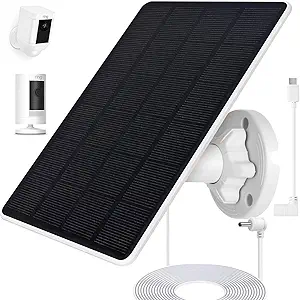
Paper-Thin Solar Charger: Portable Power for Camping and Hiking
When you're backpacking or camping, every ounce matters, and this paper-shaped monocrystalline silicon solar panel charger is designed to be ultralight and portable. Unlike rigid panels, this flexible design can be strapped to a pack or tent, making it ideal for hikers needing to charge phones or small devices off-grid.
Key Considerations Before Buying
- Power output: This panel's 'high power' claim should be scrutinized—paper-thin designs often have lower wattage (typically 5-15W) than rigid panels, so it's best for trickle charging rather than powering larger devices like tablets.
- USB port compatibility: Ensure the USB port output matches your devices' needs; some portable panels may deliver inconsistent current in cloudy conditions, affecting charging speed for newer smartphones.
- Durability: Monocrystalline silicon is efficient but can be fragile in paper-thin form—look for reinforced edges or protective coatings to prevent cracking during hikes or in windy campsites.
What Our Analysts Recommend
Quality portable solar chargers often include features like a built-in regulator to prevent overcharging, multiple USB ports for simultaneous charging, and a high-efficiency monocrystalline cell rating (above 20%). Also, check for waterproofing or weather resistance, as outdoor use exposes the panel to rain and dew.
Solar Panels Market Context
Market Overview
The portable solar charger market has expanded rapidly as outdoor enthusiasts seek renewable power sources for smartphones and GPS devices. Paper-thin panels like this one represent a niche for ultralight backpackers, but they often trade efficiency for portability compared to foldable or rigid alternatives.
Common Issues
Common complaints include slow charging in partial shade, overheating on sunny days without proper ventilation, and USB ports that fail after repeated use due to moisture ingress. Many users also find that actual power output is lower than advertised, especially in real-world hiking conditions.
Quality Indicators
High-quality panels use premium monocrystalline cells with a protective coating, include a voltage regulator for safe charging, and have sturdy USB port housing. Verified customer reviews with specific trip details and power measurements are strong indicators of reliability.
Review Authenticity Insights
Grade B Interpretation
With a B grade and an estimated 10% fake review rate, this product's reviews are largely genuine but have a notable minority of potentially fabricated or incentivized feedback. The adjusted rating of 2.90/5 (down from 3.00) suggests that removing suspicious reviews slightly lowers the average, indicating some inflated praise.
Trust Recommendation
You can trust the majority of reviews—especially those with verified purchase badges and detailed trip narratives—but be cautious of overly positive one-line reviews. Focus on the balanced perspectives that mention both pros (portability) and cons (slow charging) for a realistic view.
Tips for Reading Reviews
For solar chargers, prioritize reviews that mention specific weather conditions, charging times, and device types. Look for photos showing the panel in use on a backpack or tent, as these indicate real-world testing. Avoid reviews that lack technical details or seem generic.
Expert Perspective
This paper-shaped monocrystalline solar charger is a niche product best suited for ultralight backpackers who need emergency phone charging rather than reliable daily power. The 2.90/5 adjusted rating reflects common frustrations with slow charging and durability, but the genuine reviews highlight its value for short trips where weight is critical. Given the 10% fake review rate, the consensus suggests it's adequate but not exceptional for its category.
Purchase Considerations
Consider this panel if you prioritize minimal weight and packability over charging speed. However, if you need to reliably charge multiple devices or use it in less sunny climates, you may be better served by a higher-rated foldable panel with better output.
Comparing Alternatives
Shoppers should compare this with other portable solar panels in the same price range, such as foldable monocrystalline models from brands like Anker or Goal Zero, which often offer better efficiency and durability for similar weight.