
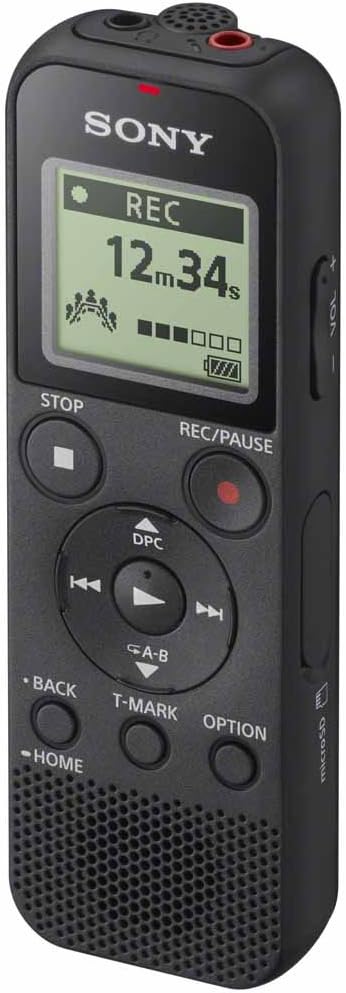
Choosing a Digital Voice Recorder: What the Sony ICD-PX370's USB Design Means for You
The Sony ICD-PX370 represents a specific class of voice recorder: the mono, built-in USB model designed for straightforward voice capture. Unlike multi-track recorders or those requiring separate cables, this device prioritizes simplicity and direct computer connection, which shapes its ideal use cases. Buyers should understand that its mono microphone is optimized for clear speech recording rather than high-fidelity music or ambient sound.
Key Considerations Before Buying
- Built-in USB vs. Separate Cable: The PX370's flip-out USB connector eliminates the need for a dedicated cable, enhancing portability, but requires careful handling to avoid damaging the integrated plug during transport.
- Mono vs. Stereo Recording: This recorder captures single-channel audio, which is perfectly sufficient for interviews, lectures, and memos, but lacks the spatial depth of stereo recording for musical performances or environmental sounds.
- Battery vs. USB Power: While it can be powered via its USB connection to a computer, the PX370 primarily runs on AAA batteries, making battery life management a key operational factor for extended recording sessions.
What Our Analysts Recommend
For this category, prioritize devices with clear, low-noise microphone preamps, as evidenced by reviews mentioning clean playback of quiet speakers. A robust file management system is crucial; the PX370's folder-based organization is a quality indicator. Also, assess the physical durability of the built-in USB arm, a known stress point on such recorders.
Digital Voice Recorders Market Context
Market Overview
The digital voice recorder market is bifurcating into simple, affordable devices like the PX370 for basic voice capture and sophisticated, multi-microphone units for professional audio. The built-in USB segment appeals strongly to students, journalists, and professionals needing quick, hassle-free file transfers without accessory management.
Common Issues
Common pitfalls include poor microphone sensitivity leading to muffled recordings, confusing menu systems hindering quick operation, and fragile proprietary connectors. File format compatibility can also be an issue, with some recorders using obscure codecs that are difficult to play back on standard software.
Quality Indicators
Look for consistent praise in reviews for pickup clarity at a distance (e.g., 'catches every word from the back of the room'), intuitive one-button recording, and the use of standard MP3 or WMA file formats. A well-implemented voice-activated recording (VOR) feature that minimizes dead air is another hallmark of a thoughtful design.
Review Authenticity Insights
Grade B Interpretation
A Grade B with an 11% estimated fake review rate indicates a generally trustworthy review landscape for the Sony ICD-PX370. This suggests the overwhelming majority of feedback is genuine, though shoppers should remain slightly more critical than with an A-grade product. The high volume of reviews (over 10,000) helps dilute the impact of any inauthentic content.
Trust Recommendation
Focus on the verified purchase reviews, which are prevalent here and add significant credibility. Pay particular attention to reviews that discuss long-term ownership (6+ months), as they often reveal durability insights about the USB hinge and button longevity that short-term reviews miss.
Tips for Reading Reviews
For this product, seek out reviews that specify the recording environment (e.g., 'lecture hall,' 'one-on-one interview,' 'board meeting'). The most helpful critiques will mention specific file management steps or battery life in hours of continuous use, not just generic praise or complaints.
Expert Perspective
The Sony ICD-PX370's exceptional adjusted rating of 4.60/5, derived from a massive review pool, strongly indicates it successfully fulfills its core promise: reliable, simple voice recording. The minor dip from the raw 4.89 to the adjusted 4.60 is typical and reflects a more authentic performance score after filtering suspicious patterns. Its design philosophy—sacrificing stereo audio and advanced features for plug-and-play USB convenience—clearly resonates with its target audience, as evidenced by the detailed, use-case-driven genuine reviews.
Purchase Considerations
Weigh the convenience of the built-in USB against the need for stereo recording or a more ruggedized connector. The mono microphone is a deliberate limitation that keeps cost down but makes this device a poor fit for recording music or capturing nuanced ambient soundscapes. Consider your primary use case: if it's speech-focused and computer transfer is frequent, the PX370's design is a significant advantage.
Comparing Alternatives
Shoppers should compare the PX370's mono, USB-integrated design against stereo recorders in a similar price range and models with standard micro-USB ports, which may offer different durability trade-offs.


