
Master Your Hydroponics: Choosing a Reliable pH/TDS Combo Meter
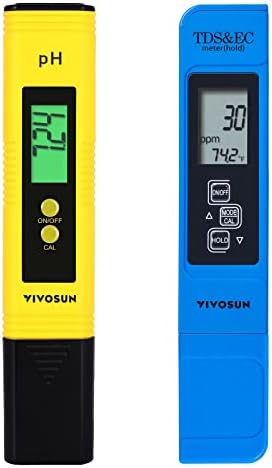
For hydroponic growers and aquarium enthusiasts, monitoring pH and nutrient levels is critical for plant and aquatic life health. The VIVOSUN Digital pH and TDS Meter Kit offers a dual-function solution, combining a pH pen with a 3-in-1 TDS, EC, and temperature meter, designed to simplify your testing routine. This guide will help you understand what to look for in such a versatile kit and how to ensure accurate readings for your specific setup.
Key Considerations Before Buying
- Accuracy and calibration: With a pH accuracy of 0.01pH and TDS accuracy of ±2%, the VIVOSUN kit provides reliable readings, but regular calibration with buffer solutions is essential to maintain this precision over time.
- Durability and design: The pen-style meters are compact and easy to handle, but their plastic construction may be less rugged than lab-grade alternatives. Consider if you need a waterproof model for frequent use in wet environments like greenhouses or aquariums.
- Ease of use: The kit includes a pH meter and a separate TDS/EC/temperature meter, which requires managing two devices. Look for models with clear displays, simple calibration procedures, and auto-off features to conserve battery life.
What Our Analysts Recommend
In a pH/TDS combo kit, prioritize meters with replaceable electrodes (like the VIVOSUN's pH pen) to extend product lifespan. Check for UL certification, as seen here, which indicates compliance with safety standards. Also, ensure the TDS meter covers a range suitable for your application—hydroponics typically needs 0-9990 ppm, while aquariums may require lower ranges.
pH Meters Market Context
Market Overview
The digital pH and TDS meter market has expanded rapidly with the growth of home hydroponics and aquarium keeping, offering affordable options that were once only available to professionals. Products like the VIVOSUN kit bridge the gap between low-cost test strips and high-end laboratory equipment, but consistency in accuracy and durability varies widely among brands.
Common Issues
Common problems in this category include drifting calibration over time, short battery life, and electrodes that dry out or become contaminated. Many users report that budget meters require frequent calibration to maintain accuracy, and some models may not withstand prolonged exposure to moisture or harsh chemicals.
Quality Indicators
Look for meters with automatic temperature compensation (ATC), which the VIVOSUN TDS meter includes, as it corrects readings for temperature fluctuations. A brand's UL certification and positive verified reviews with specific usage details (e.g., weekly calibration routines) also signal higher quality. Replaceable electrodes and clear calibration instructions are additional markers of a well-designed product.
Review Authenticity Insights
Grade B Interpretation
With a Grade B and an estimated 10% fake review rate, the VIVOSUN kit's reviews are largely trustworthy but warrant cautious reading. The 10% suspicious reviews likely consist of overly generic praise or unverified claims, but the majority of the 24,417 reviews are from verified purchasers who share specific experiences, such as using the meters for hydroponic lettuce or saltwater aquariums.
Trust Recommendation
You can generally trust the 4.22-star average, but focus on reviews that mention calibration frequency, electrode lifespan, and comparisons to other brands. The adjusted rating of 4.00 suggests that removing inflated reviews still leaves a solid product, but be aware that some positive feedback may be incentivized or exaggerated.
Tips for Reading Reviews
For pH meters, prioritize reviews that describe long-term use (3+ months) and include photos of readings or calibration routines. Look for balanced feedback that mentions both pros (e.g., easy setup) and cons (e.g., slow stabilization), as these are more likely genuine. Avoid reviews with vague language like 'works great' without context.
Expert Perspective
The VIVOSUN Digital pH and TDS Meter Kit offers a practical entry-level solution for hobbyists who need consistent monitoring without a hefty investment. Its 0.01pH accuracy and ±2% TDS readout are suitable for most hydroponic and aquarium applications, though professionals may require higher precision. The UL certification adds a layer of safety assurance, and the separate pH and TDS meters allow for specialized use, but the need for regular calibration and electrode care is a recurring theme in user feedback.
Purchase Considerations
Weigh the kit's affordability against the effort required for maintenance—if you're willing to calibrate weekly and store electrodes properly, this is a cost-effective choice. However, if you need a single, all-in-one meter with longer calibration stability, consider spending more on a premium brand. The two-device design may be inconvenient for some, but it offers redundancy if one meter fails.
Comparing Alternatives
Shoppers should compare the VIVOSUN kit with options like the Apera Instruments AI209 or Hanna Instruments HI9813-6, which offer higher accuracy and durability but at a higher price point. For basic needs, the VIVOSUN is a solid starting point.


