Choosing High-Temp Grill Gloves: Balancing Heat Protection with Dexterity and Grip
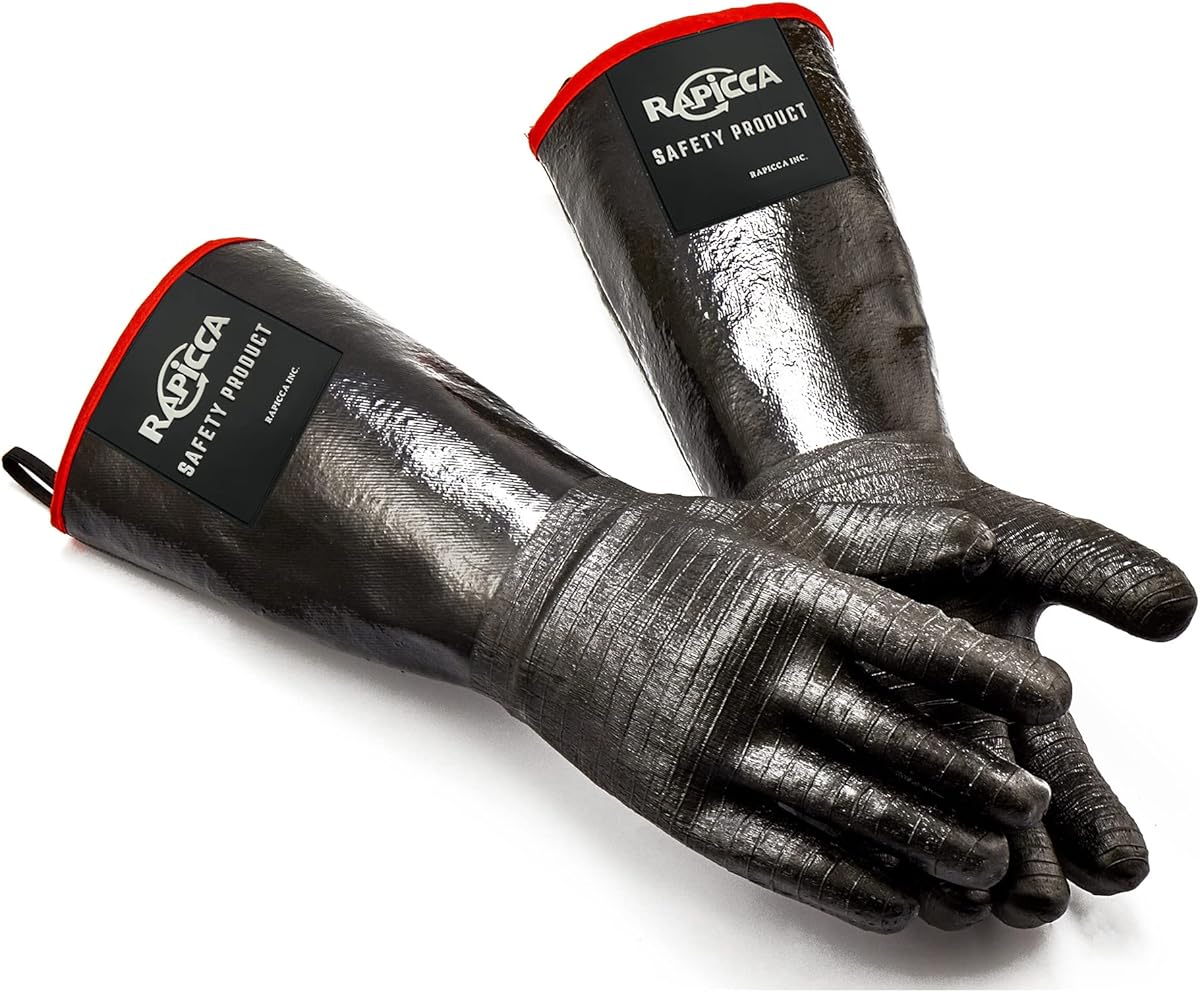
When selecting heat-resistant gloves like the RAPICCA 932°F model, the primary trade-off is between maximum thermal protection and practical usability. This specific product emphasizes extreme temperature resistance (932°F) combined with oil and water resistance, positioning it for direct contact with grates, handling greasy meats, and deep frying. Buyers should understand that such high ratings often indicate a focus on raw protection over the fine motor skills needed for intricate tasks.
Key Considerations Before Buying
- Temperature rating context: A 932°F rating like RAPICCA's is suitable for brief contact with grill grates or moving hot coals, but prolonged exposure at that temperature will compromise any glove. Consider your actual maximum cooking temperature, not just the marketing number.
- Material and dexterity balance: Silicone-coated gloves like these offer excellent grip on wet, greasy items but can feel bulky. Assess whether you need precision for handling small vegetables or just security for large roasts and pans.
- Waterproof vs. breathability: True waterproofing prevents steam burns when handling boiling pots, but it also traps sweat during extended use. For long smoking sessions, internal moisture management becomes as important as external protection.
What Our Analysts Recommend
Examine the cuff length—gloves that end at the wrist leave forearms vulnerable to splatter, while longer cuffs like those often mentioned in RAPICCA reviews protect during turkey lifting or rotisserie work. Quality stitching, especially at stress points between the fingers, is critical for durability when gripping heavy Dutch ovens or grill lids. Also, verify that the non-slip pattern covers the entire palm and fingers, not just select areas.
Protective Mitts & Potholders Market Context
Market Overview
The protective mitts market is currently divided between traditional fabric mitts, silicone-padded hybrids, and fully coated gloves like the RAPICCA. There's a strong trend toward gloves over mitts, driven by the demand for better grip and individual finger control when using tools or handling irregularly shaped foods. Products are increasingly marketed with specific temperature benchmarks (500°F, 932°F, etc.) that require careful interpretation.
Common Issues
Premature failure often occurs at the seams or where silicone coating meets fabric, especially when users exceed the glove's heat capacity or use them for unintended tasks like fireplace log handling. Another frequent complaint is size inconsistency—what's labeled 'large' may fit like a medium, leading to restricted circulation and reduced heat tolerance. Gloves can also become stiff and crack after repeated high-heat exposure if not properly constructed.
Quality Indicators
Look for gloves that specify the base material (like aramid fibers for heat resistance) beneath the coating, not just the coating itself. High-quality products will have double or triple stitching at all seams and reinforced fingertips. Reputable manufacturers provide clear care instructions, as improper washing (especially of silicone-coated models) is a common cause of early degradation.
Review Authenticity Insights
Grade B Interpretation
A Grade B with an 11% estimated fake review rate for a product with over 20,000 reviews suggests generally reliable feedback with some promotional inflation. The adjusted rating of 4.60/5 (down from 4.89) indicates that while genuine satisfaction is high, the raw average is slightly enhanced. This is common in competitive categories where initial positive reviews boost visibility.
Trust Recommendation
Focus on verified purchase reviews that describe specific, messy cooking scenarios—handling a slippery whole chicken, managing a rotisserie basket, or retrieving vegetables from boiling oil. Be slightly skeptical of reviews that only praise the temperature rating without mentioning actual use cases or that repeat marketing phrases verbatim. The 4.60 adjusted rating is still exceptionally strong for this category.
Tips for Reading Reviews
Prioritize reviews that mention long-term durability (6+ months of use) and those that compare these gloves to previous mitts or other brands. Look for mentions of 'steam protection' and 'grease cleanup'—real pain points that generic reviews often overlook. Reviews discussing fit for larger hands or dexterity limitations provide more actionable insight than simple star ratings.
Expert Perspective
The RAPICCA gloves represent a specific design philosophy: maximum barrier protection for high-heat, high-mess applications. The 932°F rating and waterproof/oil-resistant claims target users who prioritize safety during brief, intense heat exposure over all-day comfort. With an authenticity-adjusted 4.60 rating from thousands of verified purchases, they clearly satisfy a core need for grillers and deep fryers who have struggled with traditional mitts. However, their value depends entirely on matching their specific strengths—extreme heat and liquid protection—to your cooking style.
Purchase Considerations
Consider these gloves if your primary tasks involve handling dripping meats, working with boiling liquids, or needing brief contact with very hot surfaces. They may be over-engineered (and potentially less comfortable) for lower-temperature baking or general oven use. The 'stocking stuffer' positioning hints at their occasional-use strength rather than professional kitchen endurance. Evaluate your need for wrist protection versus ventilation based on your typical cooking duration.
Comparing Alternatives
Shoppers should compare the RAPICCA's bulk and 932°F rating against gloves with lower ratings (600-800°F) that may offer better dexterity for tool use or longer-wear comfort during smoking sessions.