Choose the Best Erythritol-Free Vegan Protein: Pea, Taste, and Trust
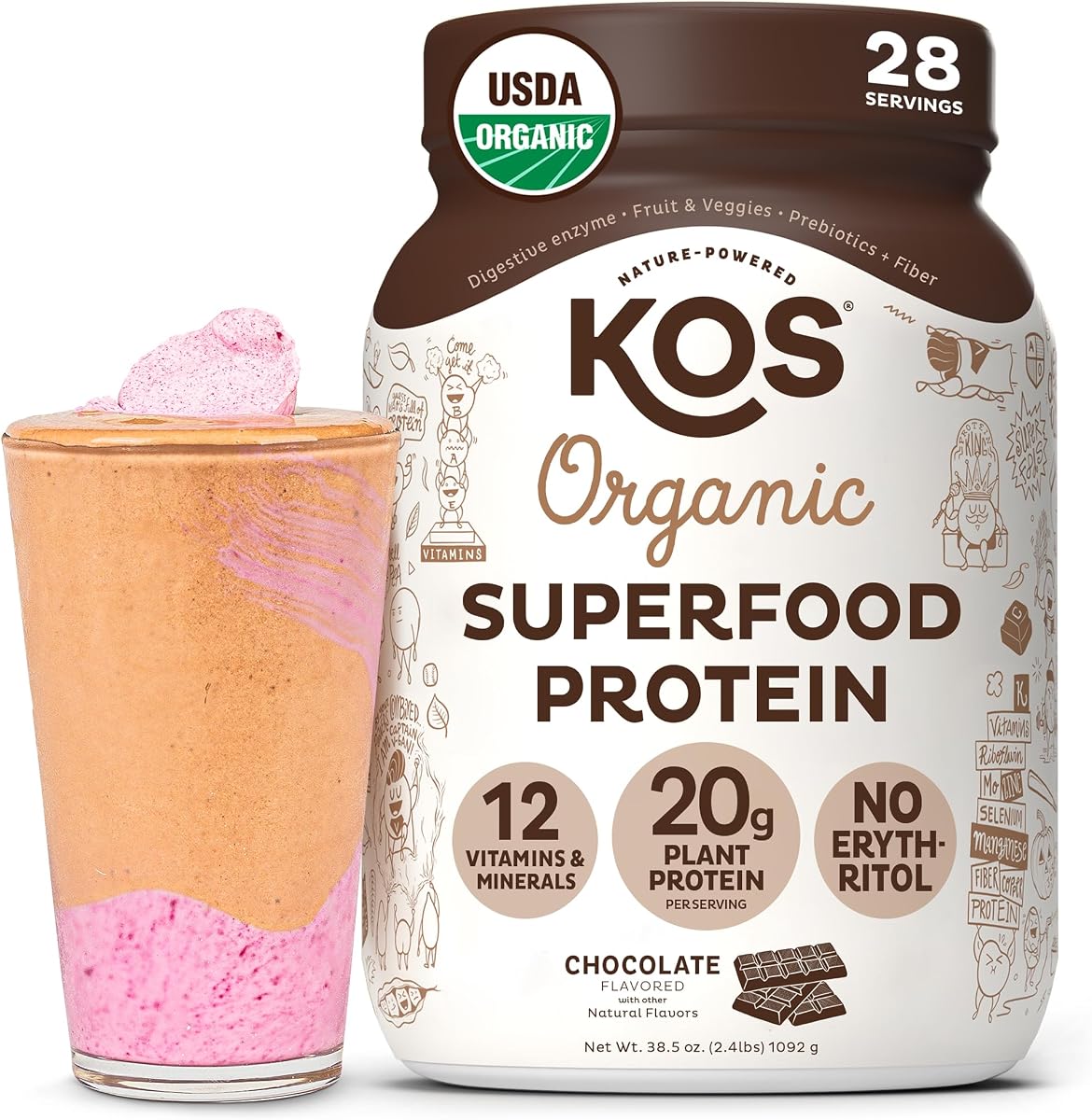
When selecting a vegan protein powder like KOS's erythritol-free chocolate blend, you're balancing taste, nutrition, and ingredient integrity. This guide focuses on what matters most: protein source quality, sweetener choices, and how to verify the authenticity of customer feedback in a crowded market.
Key Considerations Before Buying
- Check the sweetener: With erythritol excluded, look for other natural sweeteners like stevia or monk fruit that won't spike blood sugar or cause digestive issues—a key factor for keto and sensitive stomachs.
- Evaluate the protein matrix: Pea protein is a solid base, but confirm the amino acid profile and whether it includes added digestive enzymes to mitigate bloating, a common pea protein complaint.
- Assess the superfood add-ins: KOS includes vitamins and minerals, but verify the serving size and whether these nutrients are in bioavailable forms—this impacts the meal replacement value for both men and women.
What Our Analysts Recommend
Quality indicators include third-party testing certifications (like NSF or Informed Choice), a transparent ingredient list without artificial fillers, and a protein-to-calorie ratio that supports your goals. Also, check for a consistent texture and mixability, as clumping is a frequent issue with plant proteins.
Pea Market Context
Market Overview
The plant-based protein market has exploded, with pea protein leading due to its hypoallergenic profile and sustainability. However, the surge has led to a flood of products with varying quality, making label scrutiny essential.
Common Issues
Many vegan proteins suffer from poor taste, gritty texture, or hidden sweeteners like erythritol that cause gastrointestinal distress. Additionally, exaggerated health claims and 'superfood' marketing often mask subpar protein quality.
Quality Indicators
Top-tier products use organic pea protein, avoid artificial additives, and provide complete protein profiles. Look for brands that publish independent lab results and have a responsive customer service team, as these are signs of a company confident in its product.
Review Authenticity Insights
Grade B Interpretation
The Grade B and 12% fake review rate indicate that while the majority of the 11,920 reviews are genuine, a notable minority may be incentivized or fabricated. This aligns with an adjusted rating of 4.00/5, suggesting the true user experience is slightly less stellar than the raw 4.22 suggests.
Trust Recommendation
Given the 12% suspicious rate, rely on detailed, verified-purchase reviews that mention specific taste notes, mixing behavior, or results after weeks of use—these are harder to fake. Cross-check with independent forums or YouTube reviews for a more balanced view.
Tips for Reading Reviews
For protein powders, focus on reviews that discuss aftertaste, digestive comfort, and effectiveness over time. Be wary of overly vague praise or repetitive phrasing, and always filter by 'Verified Purchase' to reduce (though not eliminate) fake review influence.
Expert Perspective
KOS's erythritol-free chocolate protein is a commendable choice for those avoiding sugar alcohols, offering a clean pea protein base with added nutrients. The 4.00 adjusted rating suggests it's a solid but not exceptional product—likely with taste or texture trade-offs that some users find challenging.
Purchase Considerations
Weigh the convenience of a meal replacement against the cost—this is premium-priced. If you're sensitive to sweeteners or follow a keto diet, this fits, but if you prioritize pure protein per scoop, a simpler formula might offer better value.
Comparing Alternatives
Compare with other erythritol-free plant proteins like Orgain or Garden of Life, which also offer organic blends. Check for similar superfood inclusions and read their authenticity grades to ensure you're not trading one marketing gimmick for another.