
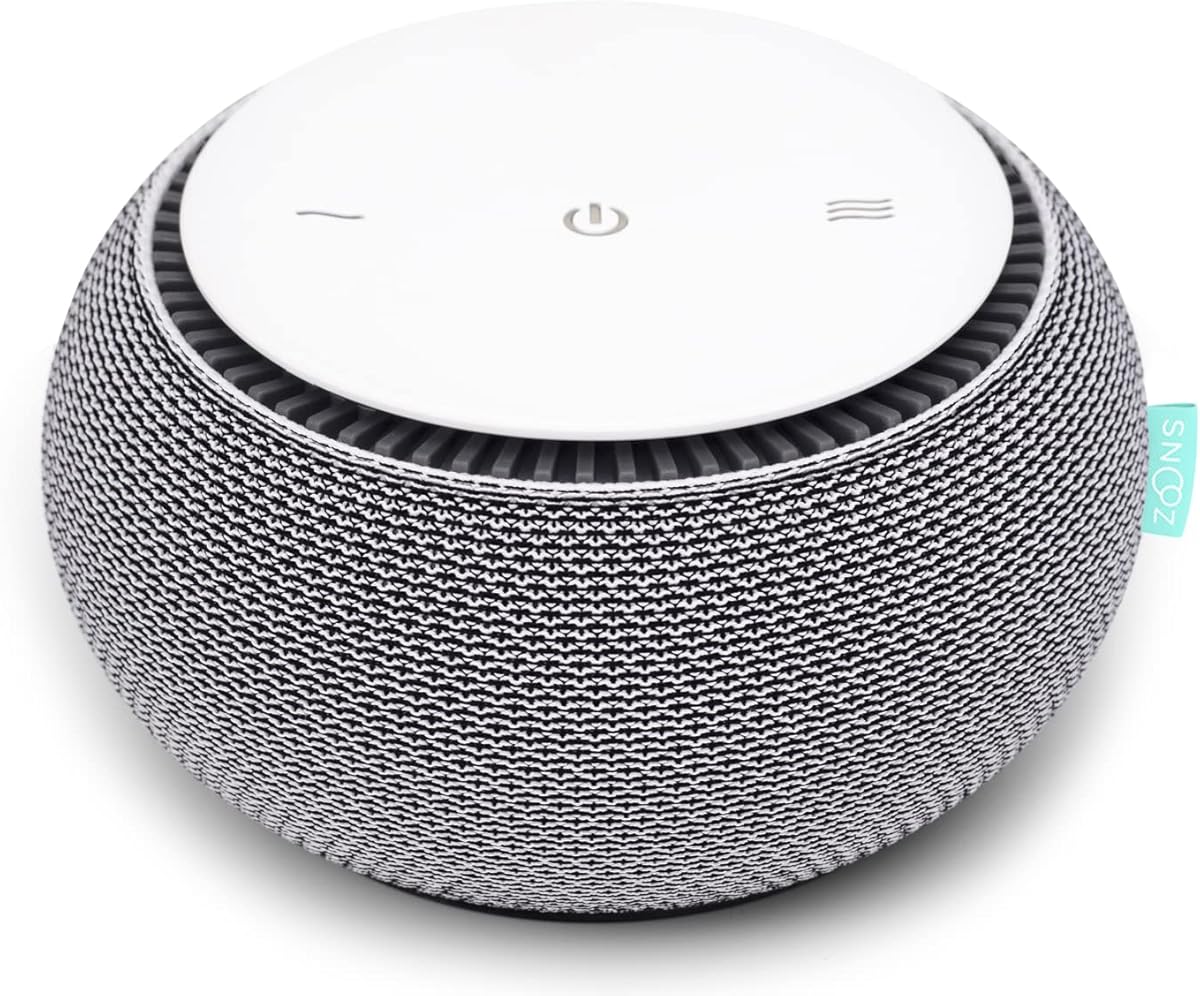
Choosing a White Noise Machine: Why Fan-Based Sound Differs from Digital Loops
The SNOOZ distinguishes itself with its real fan mechanism that generates authentic, non-looping white noise rather than digital recordings. Buyers should understand that this physical approach creates a more natural sound profile than typical digital sound machines, which often have noticeable audio loops that can disrupt sleep once recognized.
Key Considerations Before Buying
- The SNOOZ's fan-based system produces truly continuous sound without the 30-60 second audio loops common in digital machines, which light sleepers may detect.
- With both app and manual controls, consider whether smart features are essential or if basic operation suffices for your bedroom or travel needs.
- The fan mechanism creates authentic airflow noise but lacks the variety of nature sounds or brown/pink noise options found in digital competitors.
What Our Analysts Recommend
Quality indicators in fan-based sound machines include consistent motor performance without bearing noise, effective volume granularity (SNOOZ offers 10 levels), and durable construction that minimizes vibration transmission. The absence of audible loops is the primary differentiator from digital sound machines.
Sleep Sound Machines Market Context
Market Overview
The sleep sound machine market has bifurcated into digital audio devices offering multiple sound profiles and physical fan-based machines like SNOOZ that specialize in authentic white noise. Premium models increasingly incorporate smart home integration and travel-friendly designs, with the SNOOZ positioned at the higher end of the price spectrum.
Common Issues
Digital sound machines frequently suffer from audible looping, limited volume range, and synthetic-sounding audio that lacks depth. Physical fan machines can develop motor noise over time and typically offer fewer sound options, though they excel at producing organic, non-repetitive noise.
Quality Indicators
Look for consistent performance across volume levels without distortion or mechanical noise, effective sound diffusion that doesn't create directional hotspots, and build quality that withstands nightly use. The SNOOZ's 4.30 adjusted rating suggests reliable performance despite some authenticity concerns in reviews.
Review Authenticity Insights
Grade B Interpretation
A Grade B with 11% estimated fake reviews indicates generally trustworthy feedback with some promotional content. For the SNOOZ specifically, this suggests most reviews reflect genuine user experiences, though approximately 1 in 9 may be artificially positive.
Trust Recommendation
Focus on verified purchase reviews that describe specific usage scenarios like travel, partner snoring, or baby sleep routines. The 0.26-point drop from the displayed 4.56 to adjusted 4.30 rating indicates some inflation, so temper expectations accordingly.
Tips for Reading Reviews
Prioritize reviews discussing long-term performance (6+ months), noise consistency at different volume settings, and real-world travel portability. Be skeptical of reviews that don't mention the fan mechanism or compare it to digital alternatives.
Expert Perspective
The SNOOZ occupies a specialized niche for buyers seeking authentic, non-looping white noise from a physical source rather than digital simulation. Its strong adjusted rating of 4.30/5 from verified reviews indicates solid performance, though the 11% fake review rate warrants careful evaluation of feedback. The fan-based approach delivers superior sound continuity but sacrifices the sound variety offered by digital competitors. For light sleepers sensitive to audio patterns, this trade-off may be worthwhile.
Purchase Considerations
Weigh whether the premium price justifies the non-looping advantage over more affordable digital machines. Consider your need for app control versus basic operation, and assess whether the single sound type (adjustable tone via fan speed) meets your needs versus multi-sound devices.
Comparing Alternatives
Compare the SNOOZ's fan-based approach with digital machines from LectroFan or Hatch, which offer broader sound libraries but potential audio looping.


