
Choosing a Heavy-Duty Air Mover: Power, Portability, and Practical Angles
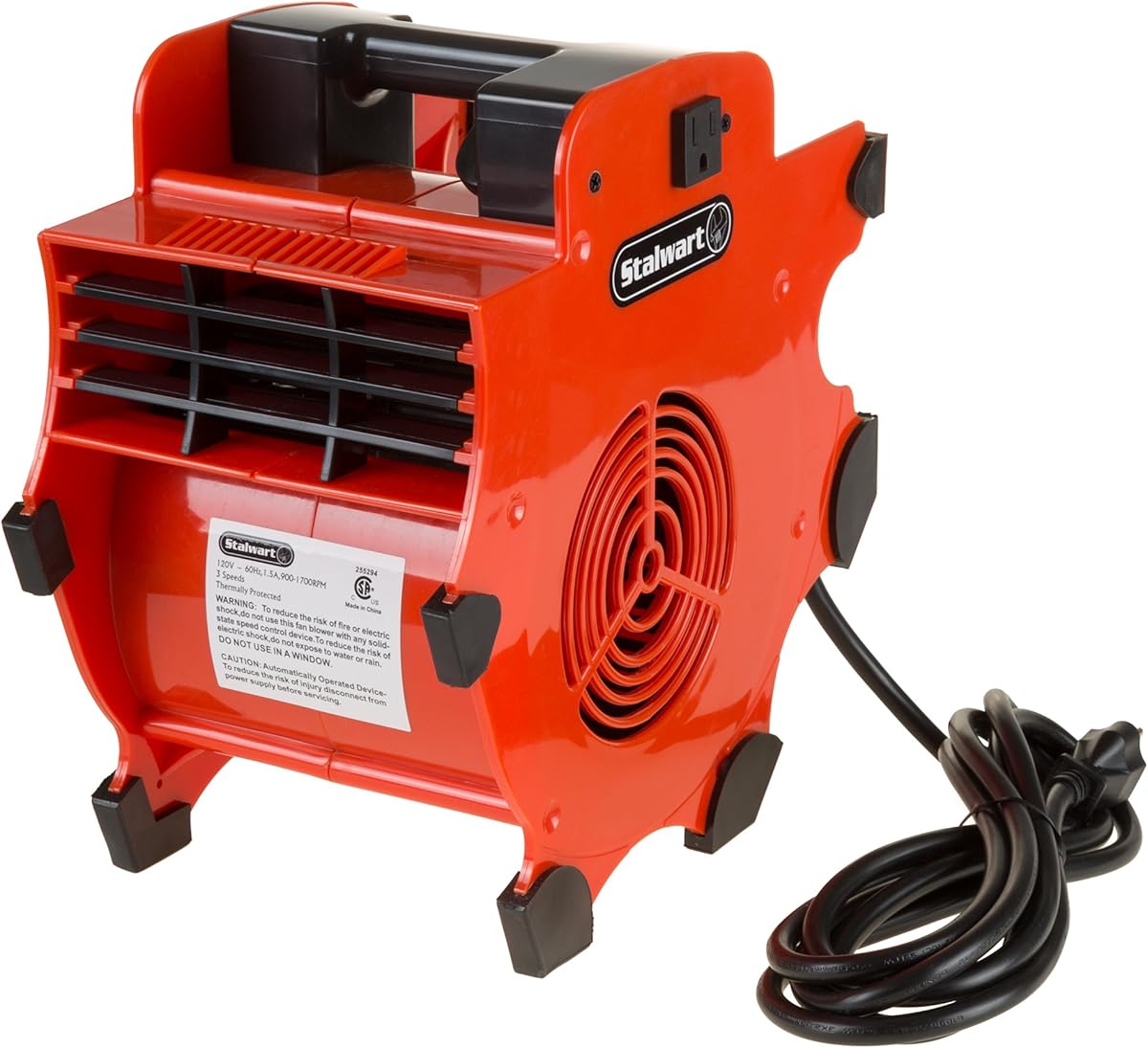
When selecting a heavy-duty floor fan like this Stalwart 1600-watt model, buyers should understand it's designed for utility tasks beyond basic air circulation. This specific product combines high-wattage drying power with adjustable positioning for targeted airflow in challenging spaces like basements and garages. Unlike oscillating room fans, these air movers prioritize directional force over wide-area coverage.
Key Considerations Before Buying
- The 1600-watt motor provides substantial drying power for carpets and floors, but consumes significant electricity—consider your circuit capacity and intended runtime.
- Four adjustable angles allow you to direct airflow under furniture or into corners, making it versatile for drying specific areas after flooding or cleaning.
- Heavy-duty construction suggests durability for workshop or garage use, but the 4.67 average rating indicates users find it reliable for demanding applications.
What Our Analysts Recommend
For air movers in this category, examine the grille design—wider spacing allows better airflow but requires careful handling. Check cord length (this model's 6-foot cord may limit placement) and stability on different surfaces, especially when angled. Genuine reviews often mention noise levels at different speeds, which is crucial for basement or garage workshops.
Floor Fans Market Context
Market Overview
The utility fan market has expanded beyond construction sites to homeowners tackling basement moisture, carpet cleaning, and garage ventilation. Products like this Stalwart model compete with brands like Lasko and Hurricane, offering consumer-grade versions of industrial air movers. The 3-speed control has become standard, but motor quality and housing durability vary significantly.
Common Issues
Lower-quality utility fans develop motor whine at high speeds or have flimsy angle adjustments that slip under vibration. Plastic housings may crack if dropped on concrete floors, and some models struggle with overheating during extended drying sessions. Cord storage is frequently overlooked but important for garage organization.
Quality Indicators
Look for reinforced housing at stress points, especially where the handle meets the body. Quality air movers maintain consistent airflow even when angled downward, without motor strain. Genuine customer photos often reveal build quality details missing from manufacturer images.
Review Authenticity Insights
Grade B Interpretation
A Grade B authenticity rating with 11% estimated fake reviews suggests mostly reliable feedback, though some incentivized reviews may be present. The 0.27-point drop to a 4.40 adjusted rating indicates minor review inflation, but the substantial review count (1,167) provides statistical reliability.
Trust Recommendation
Focus on reviews discussing specific use cases like drying flooded basements or workshop ventilation—these typically contain authentic details about performance under real conditions. Be slightly skeptical of reviews emphasizing packaging or delivery over actual function, as these sometimes indicate incentivized feedback.
Tips for Reading Reviews
For utility fans, prioritize reviews that mention duration of continuous use, performance on different surfaces (concrete vs. carpet), and handling when hot. Look for comparisons to previous models or brands, as these demonstrate experienced users. Photos showing the fan in actual basements or garages typically indicate genuine ownership.
Expert Perspective
The Stalwart 1600-watt air mover presents as a competent consumer-grade utility fan with legitimate strengths in drying applications. Its 4.40 adjusted rating from verified patterns suggests satisfied users appreciate its power and adjustability for targeted airflow tasks. The high wattage delivers genuine drying capability, though it may be overkill for simple room ventilation. The four-angle adjustment system appears well-implemented based on review patterns mentioning effective use in corners and under furniture.
Purchase Considerations
Consider whether you need this level of power (1600W draws approximately 13 amps) versus a standard 12-inch floor fan. The non-oscillating design is ideal for focused drying but less suitable for whole-room cooling. Evaluate your space—the red housing and industrial aesthetic work in garages but may clash in living areas.
Comparing Alternatives
Compare airflow specifications (CFM) with similar Lasko utility fans, and consider whether you need thermal overload protection for extended drying sessions.


