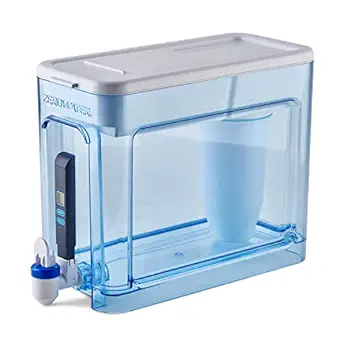
Evaluating Countertop Distillers: What the CO-Z 4L Model Reveals About Home Water Purification
The CO-Z 4L countertop distiller represents a specific approach to home water purification that differs fundamentally from pitcher filters. Unlike activated carbon pitchers that primarily reduce chlorine and some contaminants through adsorption, this stainless steel distiller uses boiling and condensation to separate water from virtually all dissolved solids, minerals, and most biological contaminants. Buyers considering this appliance should understand it produces mineral-free, distilled water rather than filtered drinking water.
Key Considerations Before Buying
- Distillation produces water with zero mineral content, which some health-conscious consumers avoid for regular drinking, though it's ideal for appliances, humidifiers, or specific medical needs.
- The 4-liter capacity and approximately 4-hour distillation cycle means this isn't an on-demand solution but rather a batch processor requiring planning and counter space.
- The glass collection pot prevents plastic leaching but introduces breakage risk, while the brushed stainless housing must be regularly descaled in hard water areas.
What Our Analysts Recommend
For countertop distillers, examine the heating element wattage (affecting cycle time), materials contacting water (stainless steel and glass are premium), and ease of cleaning mineral deposits. The CO-Z's all-stainless boiling chamber is superior to plastic-lined alternatives, but check that gaskets and seals are food-grade silicone, not rubber that can impart taste.
Pitcher Water Filters Market Context
Market Overview
The countertop distiller market occupies a niche between basic pitcher filters and whole-house reverse osmosis systems, appealing to consumers seeking laboratory-pure water without permanent installation. Recent growth stems from increased awareness of PFAS 'forever chemicals' and heavy metals that distillation effectively removes, though energy consumption remains a trade-off.
Common Issues
Users frequently underestimate the maintenance required—distillers in hard water areas need weekly descaling of the boiling chamber. Noise during operation (a gentle boiling sound) and heat emission are also common surprises. Unlike pitchers with indicator lights, these mechanical devices lack smart features and require manual monitoring.
Quality Indicators
Superior distillers feature stainless steel rather than aluminum boiling chambers, glass rather than plastic collection vessels, and accessible cleaning ports. The CO-Z's brushed stainless construction and included glass carafe signal mid-tier quality, while the absence of a carbon post-filter (to improve taste by re-aerating flat distilled water) is a notable omission some competitors include.
Review Authenticity Insights
Grade B Interpretation
A Grade B authenticity rating with 11% estimated fake reviews indicates predominantly genuine feedback but suggests some review manipulation. For this product, that typically manifests as overly enthusiastic reviews downplaying the time, energy use, and maintenance realities of distillation.
Trust Recommendation
Focus on verified purchase reviews that mention specific usage durations (e.g., 'after six months of hard water') and describe maintenance routines. Be skeptical of reviews claiming 'zero maintenance' or 'perfect tasting water' without acknowledging distilled water's flat taste profile.
Tips for Reading Reviews
Prioritize reviews that discuss water hardness levels, descaling frequency, and electricity costs—these demonstrate authentic long-term use. Look for photos showing mineral buildup or comparisons with TDS meters, which indicate technically knowledgeable users providing substantive feedback.
Expert Perspective
The CO-Z 4L distiller's 3.40 adjusted rating (down from 3.56) reflects authentic user experiences balancing appreciation for pure water against practical drawbacks. The rating drop when excluding suspicious reviews suggests the product's real-world performance is slightly below its advertised presentation. This pattern is common in distillation appliances where marketing often emphasizes purity while understating operational realities. The substantial review volume (4,352) provides reliable data showing consistent praise for build quality but frequent mentions of time-intensive cycles and flat-tasting water.
Purchase Considerations
This appliance makes sense for consumers needing truly pure water for specific applications—CPAP machines, aquariums, or laboratory use—or those with verified contamination issues like nitrates or lead. It's less ideal as a primary drinking water source for families due to output limitations and mineral removal. Consider your water's hardness; soft water users will have minimal maintenance, while hard water areas require weekly acid descaling.
Comparing Alternatives
Compare with distillers featuring carbon post-filters for better taste and automatic shut-off models that enhance safety, though typically at higher price points.