
Choosing a Dual-Compartment Kitchen Trash Can: What Matters Most
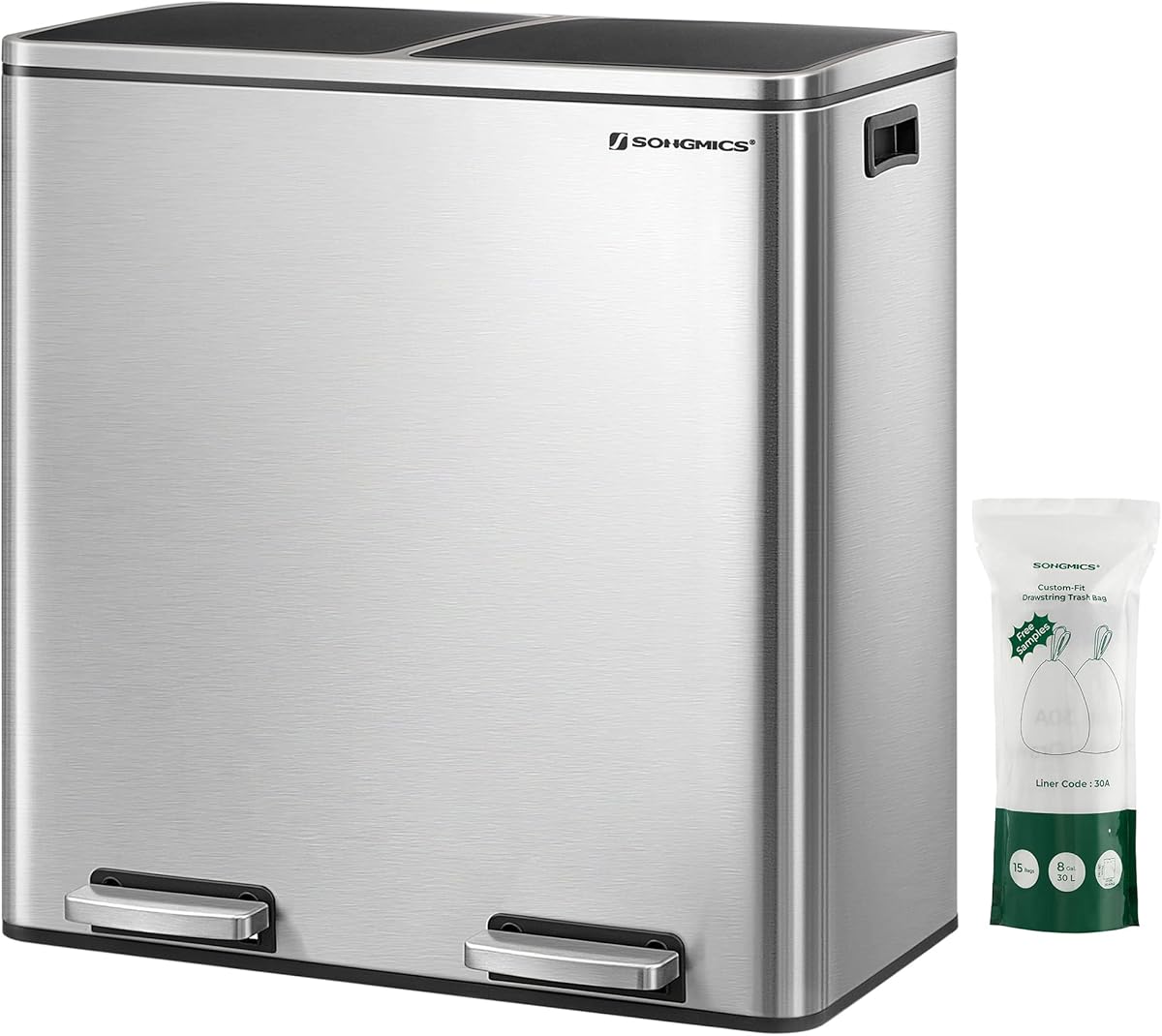
When selecting a dual-compartment trash can like the SONGMICS ULTB60NL, buyers should focus on how the 2 x 8-gallon capacity and airtight design align with their kitchen workflow. This specific model's inclusion of two separate inner buckets and hinged lids creates a distinct user experience compared to single-bin alternatives, making compartment functionality a primary consideration.
Key Considerations Before Buying
- Assess if the 8-gallon per side capacity suits your household's waste separation needs—ideal for recycling/landfill splits but potentially oversized for smaller kitchens.
- Evaluate the hinge mechanism and lid seal quality, as these are common failure points in compartmentalized cans and crucial for the advertised airtight performance.
- Consider the footprint of a dual-bin unit; this SONGMICS model requires more floor space than single cans, so measure your intended placement area carefully.
What Our Analysts Recommend
For compartmentalized kitchen cans, examine the inner bucket material thickness and how securely they sit within the frame—loose buckets cause operational frustration. Also, test the lid action in person if possible; smooth, simultaneous closure on both sides indicates better engineering than staggered or sticky hinges.
Kitchen Trash Cans Market Context
Market Overview
The kitchen trash can market has shifted toward specialized solutions like dual compartments, with brands like SONGMICS competing on features such as odor control and bag retention systems. Products in this segment increasingly focus on waste sorting convenience, moving beyond basic containment.
Common Issues
Dual-compartment cans often suffer from lid misalignment, uneven weight distribution causing tipping, and inner buckets that are difficult to remove when full. The plastic hinges and seals on affordable models are typical wear points that degrade with frequent use.
Quality Indicators
Higher-quality dual cans feature reinforced hinge pins, inner buckets with molded handles for easier extraction, and weight-balanced bases. Look for cans where the divider is structurally integrated, not just a plastic insert, to prevent bowing under load.
Review Authenticity Insights
Grade B Interpretation
A Grade B with an 11% estimated fake review rate suggests the SONGMICS ULTB60NL's reviews are predominantly authentic but contain a notable minority of potentially inauthentic praise. The adjusted rating of 4.60/5 is a more reliable indicator than the raw 4.89/5 score.
Trust Recommendation
Focus on reviews that detail long-term use (6+ months) and mention specific pros and cons related to the hinges, bucket removal, and lid seal. Be slightly skeptical of reviews that only praise the aesthetic without discussing functional performance over time.
Tips for Reading Reviews
For this product type, prioritize reviews that describe actual kitchen placement, bag fitting with standard 8-gallon bags, and experiences with cleaning the two compartments. Reviews mentioning brand comparisons (like Simplehuman vs. SONGMICS) often provide more contextual insight.
Expert Perspective
The SONGMICS ULTB60NL presents a compelling value proposition in the dual-compartment category, with its high adjusted rating of 4.60 indicating strong user satisfaction. The airtight claim and included bags are significant differentiators, but the 11% fake review rate warrants cautious interpretation of the perfect-score narratives. This product excels for households committed to waste sorting but may be over-engineered for those needing simple disposal.
Purchase Considerations
Buy this model if your kitchen workflow requires simultaneous landfill and recycling containment and you value the included bag supply. Hesitate if your space is constrained or if you prefer touch-free operation, as this manual-hinge design lacks motion-sensor opening.
Comparing Alternatives
Shoppers should compare this model's footprint and hinge mechanism against similar dual-bin cans from brands like iTouchless and Simplehuman to assess value relative to price.


