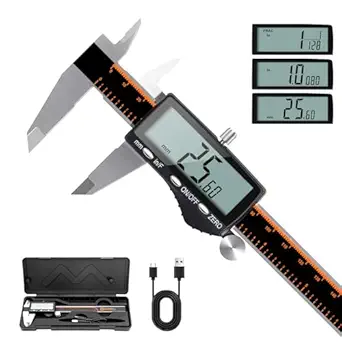
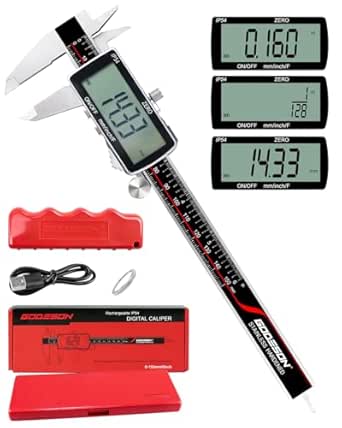
Choosing a Digital Caliper: LCD Readability, Auto-Off Efficiency, and Measurement Precision
When selecting a digital caliper like the Adoric 0-6" model, focus on how its specific features match your measurement needs. The large LCD screen and auto-off function aren't just specifications—they directly impact usability during extended projects and battery conservation. This tool's inch/millimeter conversion capability is essential for users working across different measurement systems.
Key Considerations Before Buying
- The 0-6" measurement range suits most hobbyist and light industrial applications, but verify this covers your typical workpiece dimensions before purchasing.
- Auto-off features like the Adoric's extend battery life but can interrupt workflow during meticulous measurements requiring frequent pauses.
- Inch/mm conversion accuracy depends on the internal processor's rounding algorithms—critical for precision woodworking or machining where 0.001" matters.
What Our Analysts Recommend
Examine the jaw alignment and smoothness of the sliding mechanism, as these directly affect measurement repeatability. Quality digital calipers maintain consistent zero-point accuracy even after repeated opening and closing cycles. The tactile feedback from the thumb roller should feel precise, not loose or gritty.
Digital Calipers Market Context
Market Overview
The sub-$30 digital caliper market has become increasingly competitive, with brands like Adoric competing on features rather than just price. Current offerings emphasize user-friendly elements like larger displays and simplified controls over raw measurement capability. This segment targets DIY enthusiasts and semi-professionals who need reliable measurements without laboratory-grade precision.
Common Issues
Lower-cost digital calipers often suffer from inconsistent battery compartment connections and display visibility issues in various lighting conditions. Some models exhibit measurement drift where readings change slightly without moving the jaws, particularly problematic for comparative measurements. The plastic components in budget models can develop play over time, affecting measurement reliability.
Quality Indicators
Look for stainless steel construction on measuring surfaces rather than chrome-plated alternatives that can wear unevenly. Quality calipers maintain flat, parallel jaw faces that make full contact across their entire surface area. The depth rod should extend smoothly without wobble, and the display should update instantly without lag when measurements change.
Review Authenticity Insights
Grade B Interpretation
The Grade B authenticity rating with 11% estimated fake reviews indicates mostly trustworthy feedback but suggests some review manipulation. This level of authenticity is typical for popular tools in this price range where manufacturers occasionally incentivize positive reviews. The 4.40 adjusted rating (down from 4.67) better reflects genuine user experiences.
Trust Recommendation
Focus on reviews that mention specific use cases like 3D printing calibration, jewelry making, or automotive work rather than generic praise. Verified purchase reviews discussing long-term performance over months provide more reliable insights than initial impressions. Pay particular attention to reviews mentioning the auto-off feature's timing and the LCD's readability in workshop lighting.
Tips for Reading Reviews
Search for reviews mentioning measurement consistency across multiple uses—this reveals true precision. Look for discussions about battery life with the auto-off enabled, as this impacts practical usability. Reviews comparing the Adoric to other budget calipers like Mitutoyo or iGaging clones offer valuable comparative insights.
Expert Perspective
The Adoric digital caliper represents solid value in the budget measurement tool category, with its 4.40 adjusted rating reflecting genuine satisfaction among most users. Its combination of large LCD display and auto-off feature addresses common pain points in this price segment. The product's popularity (37,529 reviews) suggests it meets basic measurement needs effectively, though professional users might require higher-grade instruments. The specific mention of inch/millimeter conversion indicates it's targeting the North American market where both systems are used.
Purchase Considerations
Consider whether the 6" range accommodates your largest typical workpieces, as exceeding this requires stepping up to more expensive 8" models. Evaluate how frequently you'll use the depth and step measurement functions, as these are where budget calipers often show limitations. The auto-off feature benefits intermittent users but might frustrate those taking continuous measurements throughout the day.
Comparing Alternatives
Shoppers should compare the Adoric's performance against similar-priced options from Neiko, Vinca, and VINCA, particularly regarding measurement consistency and build quality.