Choosing a Dip Station: Stability, Adjustability, and Multi-Function Design
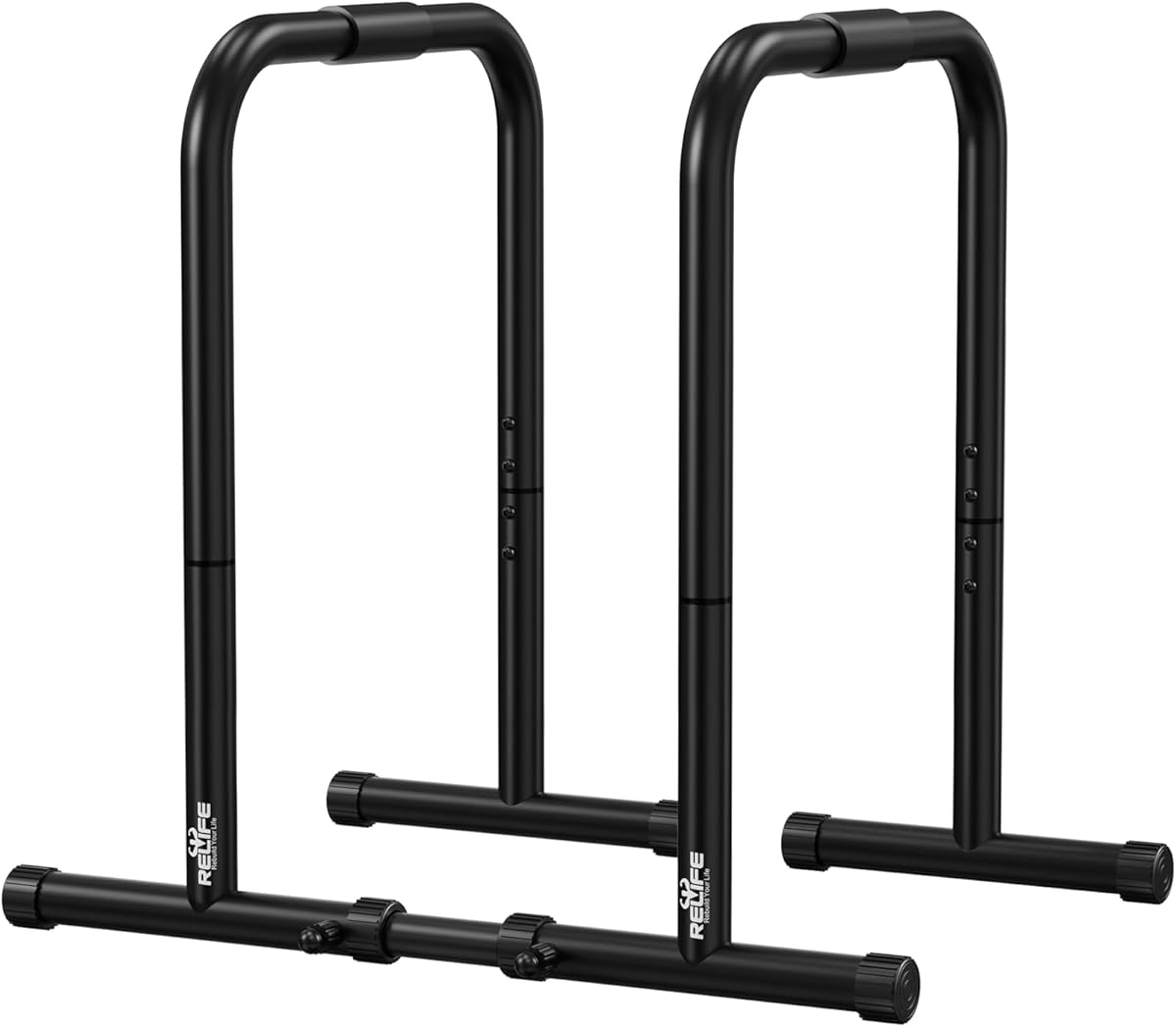
When evaluating the RELIFE Dip Station, focus on its dual functionality as both a dip bar and parallettes, which expands workout versatility. This specific model's heavy-duty steel construction and stabilizer design directly address the wobble issues common in budget dip stands, making stability a key differentiator from basic pipe-style stands.
Key Considerations Before Buying
- Assess your primary use case: dedicated dip training versus multi-functional calisthenics (push-ups, L-sits, leg raises) to determine if this station's parallelette-style handles are optimal.
- Consider the 31.5" width between bars—this fixed dimension suits average shoulder widths but may feel narrow or wide depending on your specific build and dip technique.
- Evaluate your space constraints: this unit's 33.5" x 23.6" footprint requires dedicated floor space, unlike foldable or wall-mounted alternatives.
What Our Analysts Recommend
Examine the welded joints where the uprights meet the base stabilizers—this is a critical stress point during dynamic movements. Quality dip stations feature thick rubber feet that prevent both sliding and floor damage, especially important for the RELIFE's 31.7lb frame during explosive exercises.
Dip Stands Market Context
Market Overview
The dip stand market has bifurcated into lightweight portable models and heavy-duty home gym stations like the RELIFE, with consumers increasingly seeking multi-functional equipment that justifies floor space. Recent trends show growing demand for stations that accommodate both beginner and advanced weighted calisthenics.
Common Issues
Lower-cost dip stands frequently suffer from inadequate base stabilization causing dangerous sway during use, while chrome-plated models often develop corrosion at weld points. Many users report handle diameter discomfort during extended sessions when manufacturers prioritize aesthetics over ergonomics.
Quality Indicators
Superior dip stations feature seamless tubing transitions at grip points and use high-density rubber components that maintain compression resistance over time. Look for consistent weld bead patterns and powder-coated finishes that withstand chalk and sweat absorption better than paint.
Review Authenticity Insights
Grade B Interpretation
The Grade B authenticity rating with 11% estimated fake reviews indicates predominantly genuine feedback, though shoppers should be slightly more critical of extreme positive reviews. The 0.27-point drop from the displayed 4.67 to adjusted 4.40 rating suggests some review inflation but still reflects strong real satisfaction.
Trust Recommendation
Prioritize reviews discussing long-term durability (6+ months) and specific exercises like weighted dips or Bulgarian push-ups, as these contain verifiable usage context. Verified purchase reviews mentioning assembly details or packaging imperfections typically indicate authentic experiences with this specific RELIFE model.
Tips for Reading Reviews
Search for reviews mentioning 'wobble' or 'stability' to assess the stabilizer bar effectiveness, and filter for critical reviews discussing handle coating wear—these often reveal material quality insights generic praise misses.
Expert Perspective
The RELIFE Dip Station represents a compelling mid-tier option that bridges the gap between basic dip bars and commercial-grade stations. Its 4.40 adjusted rating from over 5,000 reviews suggests it successfully addresses core stability concerns while offering valuable multi-function versatility. The design's fixed width and non-adjustable height make it best suited for users comfortable with standard parallelette dimensions, though this limitation enhances structural rigidity compared to adjustable competitors.
Purchase Considerations
This station justifies its price point if you regularly perform both dip bar and parallelette exercises, but may be excessive if you only need basic dip functionality. Consider your maximum intended load—while rated for heavy duty use, users exceeding 250lbs should scrutinize reviews from similarly weighted individuals regarding long-term joint integrity.
Comparing Alternatives
Compare the RELIFE's fixed design against adjustable-width stations if multiple users will share the equipment, and evaluate foldable options if storage flexibility outweighs absolute stability needs.