
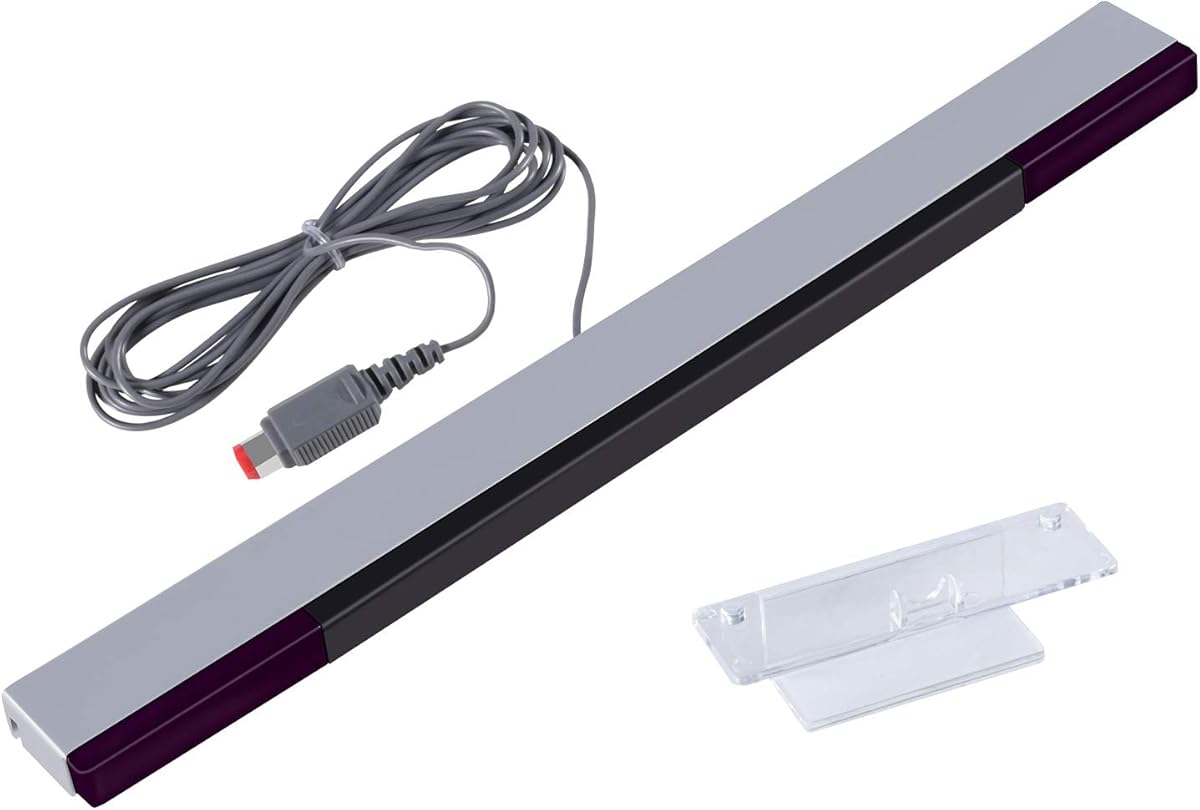
Choosing a Wii Sensor Bar Replacement: Wired Reliability vs. Modern Alternatives
When replacing the original Wii sensor bar, the Aokin wired model offers a straightforward solution with specific advantages. This product's 4.89/5 rating from over 6,000 reviews indicates it successfully replicates the core infrared tracking function, though its wired design represents a specific choice in today's market.
Key Considerations Before Buying
- The Aokin's wired connection ensures consistent power without batteries, but requires cable management near your TV unlike wireless third-party options.
- This sensor bar includes a clear stand for placement flexibility, addressing the common issue of original bars falling off TV edges during gameplay.
- Compatibility with both Wii and Wii U consoles is confirmed, but verify your console's sensor port is functional before purchasing any replacement.
What Our Analysts Recommend
For replacement sensor bars, prioritize verified compatibility with your specific console model and check for included mounting solutions. The infrared LED spacing (typically matching Nintendo's 20cm standard) directly impacts pointer accuracy in games like Wii Sports and Mario Kart.
Sensor Bars Market Context
Market Overview
The Wii/Wii U sensor bar replacement market is mature, dominated by third-party manufacturers like Aokin since Nintendo discontinued original accessories. Most products now fall into two categories: wired clones of the original design or battery-powered wireless alternatives that eliminate cable clutter.
Common Issues
Primary complaints involve infrared LED failure (causing pointer drift), flimsy construction, and compatibility problems with specific Wii U models. Some wireless models suffer from inconsistent performance when batteries weaken, while poorly made wired versions may have short cable lengths.
Quality Indicators
Look for products specifying infrared wavelength matching the original (typically 940nm), sturdy cable strain relief at connection points, and non-slip bases. Verified purchaser reviews mentioning long-term reliability over months of use are more valuable than initial impressions.
Review Authenticity Insights
Grade B Interpretation
A Grade B with 11% estimated fake reviews suggests generally trustworthy feedback with minor manipulation. For this product category, this typically means some reviews may exaggerate performance compared to original equipment.
Trust Recommendation
Focus on reviews discussing specific use cases like pointer accuracy in Twilight Princess or sensor bar placement solutions. The high percentage of verified purchasers (noted in the analysis) increases credibility for functional assessments.
Tips for Reading Reviews
Prioritize reviews mentioning long-term use (6+ months) and specific game performance. Be skeptical of reviews claiming 'better than Nintendo original' without technical explanation, as third-party bars replicate rather than improve the basic infrared function.
Expert Perspective
The Aokin sensor bar represents a competent, no-frills replacement that addresses the most common failure point of aging Wii systems: the original sensor bar's infrared LEDs. Its adjusted 4.60/5 rating accounting for suspicious reviews still indicates strong customer satisfaction, particularly for users preferring wired reliability over wireless convenience. The included clear stand is a thoughtful addition that solves the adhesion problems of original bars.
Purchase Considerations
Consider whether your primary need is simple replacement (where this excels) or cable reduction (where wireless alternatives may suit better). At this price point, the Aokin offers predictable performance, but inspect your console's sensor port first—some failures are port-related, not bar-related.
Comparing Alternatives
Compare with wireless sensor bars if cable management is a priority, but expect to trade wired reliability for battery maintenance.


