Warm LED Strip Lights: Key Buying Tips for 3000K Dimmable Tape Lights
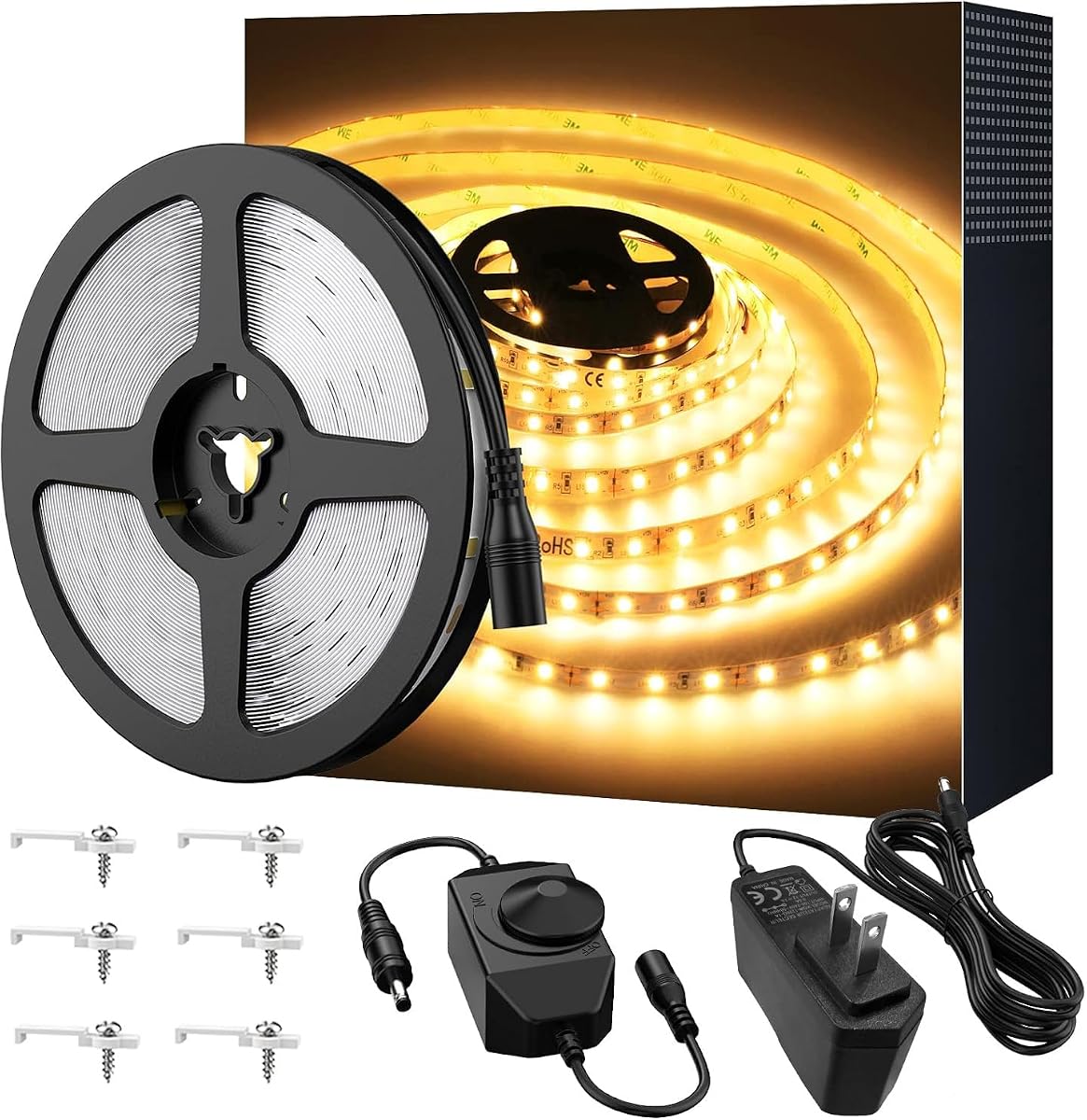
When shopping for warm LED strip lights like the Onforu 16.4ft model, you're looking at a 3000K color temperature that mimics the cozy glow of incandescent bulbs, ideal for under-cabinet kitchen task lighting or bedroom ambiance. This particular unit uses 2835 LEDs and runs on 12V, so it's crucial to understand how these specs affect brightness, flexibility, and installation before you buy.
Key Considerations Before Buying
- Color temperature matters: 3000K warm white creates a relaxing atmosphere, but if you need brighter task lighting, consider a higher Kelvin rating like 4000K; for this Onforu light, the warm hue is perfect for accent and mood lighting, not heavy-duty illumination.
- Dimmability requires a compatible dimmer: The Onforu strip is dimmable, but you'll need a specific 12V DC dimmer switch (not included) to control brightness; check compatibility with your existing setup to avoid flickering or reduced lifespan.
- Non-waterproof design limits placement: This strip is rated non-waterproof, so it's best for indoor use only—think kitchen cabinets, bedroom headboards, or Christmas decor—never in bathrooms, kitchens above sinks, or outdoor areas where moisture could damage the LEDs.
What Our Analysts Recommend
Quality in LED strip lights like this one hinges on LED density (here, 2835 chips per meter), adhesive strength, and consistent color rendering. Look for products with high-density LEDs for smooth, even light without hotspots, and ensure the adhesive backing is strong enough for your surface, as poor adhesion is a common complaint in this category.
LED Strip Lights Market Context
Market Overview
The LED strip light market has exploded with affordable options, but quality varies widely—many budget strips suffer from uneven brightness, short lifespans, or inaccurate color temperatures. The Onforu model competes in the mid-range, offering a warm 3000K that's popular for home decor and holiday lighting, though non-waterproof strips are becoming less common as consumers demand versatile, waterproof alternatives.
Common Issues
Common problems with LED strip lights include poor adhesive that fails over time, inconsistent color temperatures between batches, and dimming compatibility issues. For the Onforu, some users report needing extra clips or soldering for corners, and the 12V requirement means you'll need a compatible power source, which can be a hurdle for DIY beginners.
Quality Indicators
High-quality LED strips use reliable chips like the 2835 series, offer consistent color temperatures (e.g., 3000K ± 100K), and include strong 3M adhesive backing. Also, look for UL or ETL certification for safety, and check that the strip has a high CRI (Color Rendering Index) above 80 for accurate color representation, though this Onforu model doesn't specify CRI.
Review Authenticity Insights
Grade B Interpretation
With a Grade B and an estimated 10% fake review rate, this product's reviews are largely trustworthy but warrant caution—about 1 in 10 reviews may be fabricated. The 4.67 average rating is slightly inflated; the adjusted 4.40 offers a more realistic picture, still strong for this category but not flawless.
Trust Recommendation
You can trust the majority of feedback here, especially from verified purchasers who mention specific use cases like under-cabinet lighting or Christmas decor. Focus on detailed reviews that discuss installation challenges or dimming performance, as these are more likely genuine and provide actionable insights.
Tips for Reading Reviews
For LED strip lights, prioritize reviews that mention exact placement (e.g., 'under kitchen cabinets') and any issues with adhesion or brightness. Be skeptical of overly short, vague reviews or those that rave without specifics, as these are common in fake batches; look for balanced feedback that notes both pros and cons.
Expert Perspective
The Onforu 16.4ft warm LED strip light offers solid value for indoor accent lighting, with a genuine 4.40 adjusted rating reflecting broad user satisfaction. Its 3000K warmth and dimmability are key strengths, but the non-waterproof design and need for a separate dimmer limit its versatility. Given the 10% fake review rate, the positive consensus is credible, though you should weigh the lack of waterproofing against your specific needs.
Purchase Considerations
If you need a flexible, warm light for dry indoor spaces like bedroom coves or holiday decor, this is a reliable pick—just factor in the cost of a compatible dimmer. However, for areas near moisture or high-traffic kitchens, consider a waterproof alternative to avoid early failure.
Comparing Alternatives
Shoppers should compare this with waterproof LED strips or higher-density options (like 5050 LEDs) for brighter output, especially if you plan to use them in functional task lighting rather than purely ambient settings.