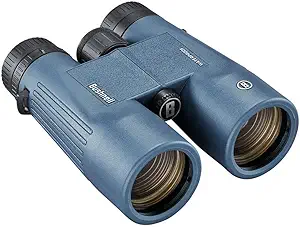
Choosing Pocket Binoculars: Balancing Portability, Magnification, and Optical Quality
When evaluating compact 12x25 binoculars like the POLDR model, buyers must understand the inherent trade-offs between magnification power and lens size. The 12x magnification provides significant zoom for distant subjects, but the 25mm objective lenses limit light gathering compared to larger models. This specific configuration prioritizes extreme portability for casual birding and theater use over low-light performance.
Key Considerations Before Buying
- The 12x magnification requires steady hands or support to avoid image shake—consider whether you'll primarily use these handheld or with stabilization.
- Compact roof prism construction enables the pocket-sized design but may compromise optical clarity compared to larger Porro prism alternatives.
- Multi-coated optics are essential at this price point to maximize light transmission through the small 25mm objective lenses.
What Our Analysts Recommend
Examine the eye relief specification if you wear glasses—compact binoculars often have limited eye relief. Check for rubber armoring that provides both grip and basic weather resistance for outdoor use. The focus wheel should operate smoothly without excessive play, as precise focusing is critical at 12x magnification.
Binoculars Market Context
Market Overview
The compact binocular market is saturated with Chinese-manufactured models in the $20-$50 range, competing primarily on price and portability rather than optical excellence. Recent trends show increased marketing toward casual users for concerts and travel rather than serious birdwatchers, who typically prefer larger objective lenses.
Common Issues
Entry-level compacts frequently suffer from chromatic aberration (color fringing), narrow field of view, and fragile focus mechanisms. The small exit pupil (around 2.1mm for 12x25) makes these binoculars challenging to use in anything but bright daylight conditions.
Quality Indicators
Look for fully multi-coated rather than simply coated optics, nitrogen purging for fog resistance, and BAK-4 rather than BK-7 glass in the prisms. A generous field of view exceeding 300 feet at 1000 yards indicates better optical engineering in compact designs.
Review Authenticity Insights
Grade B Interpretation
The Grade B authenticity rating with 11% estimated fake reviews suggests generally reliable feedback, though approximately 1 in 9 reviews may be artificially positive. This is typical for popular electronics accessories in this price range where review incentives are common.
Trust Recommendation
Focus on verified purchase reviews that mention specific usage scenarios like 'watching warblers at 50 feet' or 'third balcony at the opera' rather than generic praise. The adjusted 4.30 rating excluding suspicious reviews represents a more realistic assessment than the raw 4.56 average.
Tips for Reading Reviews
Prioritize reviews discussing actual optical performance—clarity at distance, color accuracy, ease of focusing—over those emphasizing only packaging or accessories. Look for mentions of durability over time, as compact mechanisms often fail before optical components.
Expert Perspective
The POLDR 12x25 represents a competent entry in the ultra-compact category, offering maximum portability with respectable magnification. The 4.30 adjusted rating from over 12,000 reviews indicates satisfactory performance for the price, though optical limitations are inherent to the 25mm objective lens size. This configuration makes most sense for daytime use where extreme compactness outweighs the need for bright, wide-field viewing.
Purchase Considerations
Consider whether you truly need 12x magnification—higher power magnifies hand shake and requires more precise focusing. If your primary use is theater or sports venues with adequate lighting, the trade-offs are reasonable. For twilight birding or forest use, consider stepping up to at least 32mm objective lenses despite the increased bulk.
Comparing Alternatives
Compare eye relief measurements and field of view specifications with similarly priced compacts from Celestron or Gosky, as these significantly impact usability.