
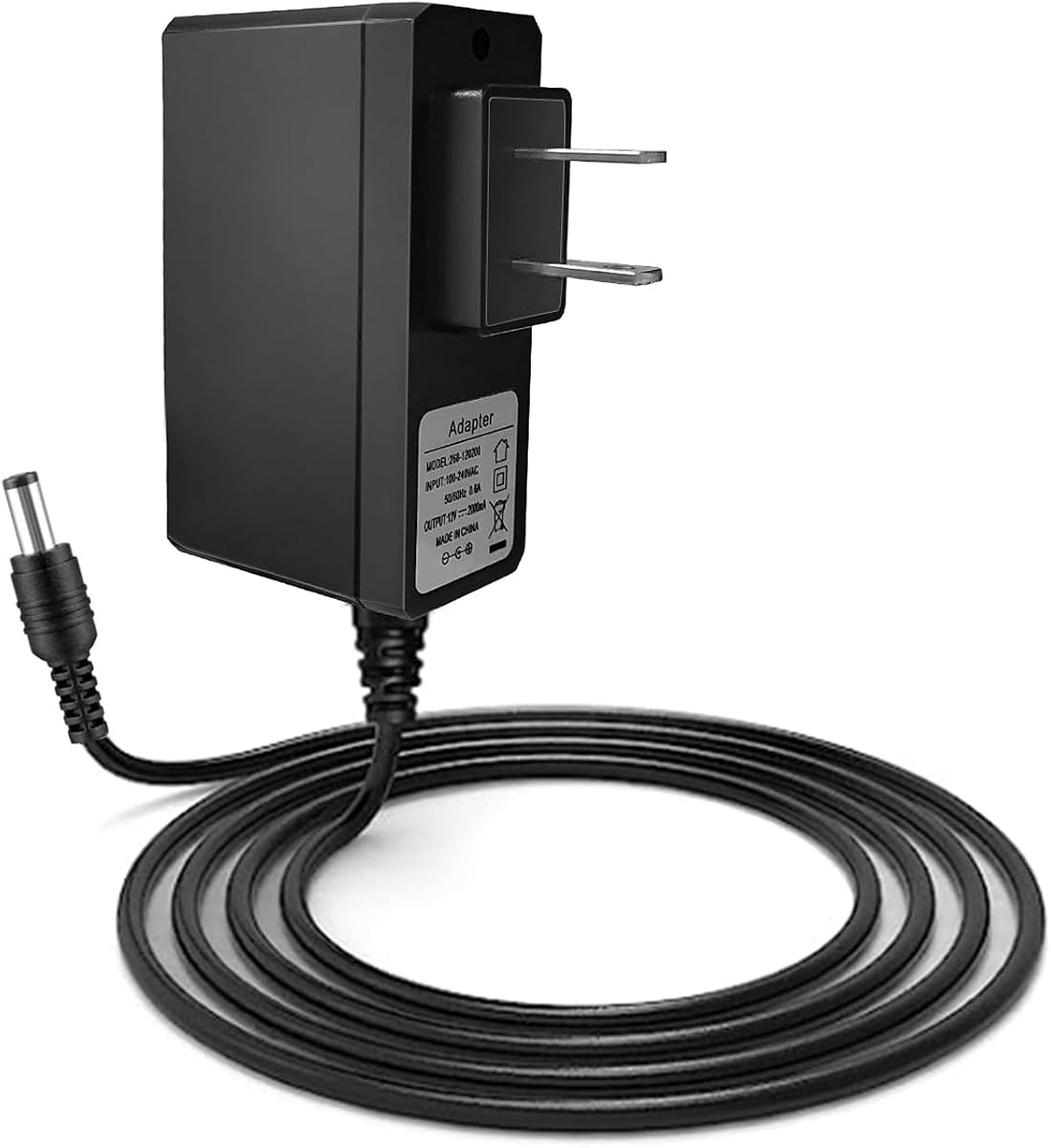
12V 2A LED Power Supply: Key Buying Facts and Compatibility Tips
When shopping for a 12V DC adapter for LED strip lights, the most critical specs are voltage, current, and connector size. This 12V 2A (2000mA) model with a 2.1mm x 5.5mm plug is a common choice for 3528 and 5050 LED strips, but you must verify it matches your strip's total wattage to avoid underpowering or overheating.
Key Considerations Before Buying
- Current capacity: A 2A adapter provides up to 24 watts (12V × 2A). Calculate your LED strip's total wattage (e.g., 5050 strips typically draw 10-15W per meter) to ensure the adapter can handle the load without overheating or shutting down.
- Connector compatibility: The 2.1mm x 5.5mm barrel plug is standard for many LED strips, but some use 2.5mm x 5.5mm. Always measure your strip's connector or check the product listing to confirm the plug size, as using the wrong size can cause poor contact or damage.
- Voltage regulation: For consistent LED brightness, look for an adapter with tight voltage regulation (within ±5%). Cheaper adapters may produce voltage spikes that can cause flickering or reduce LED lifespan.
What Our Analysts Recommend
Quality indicators include a UL/CE certification mark, a metal or robust plastic housing, and a short-circuit/overload protection circuit. Also, check the adapter's operating temperature—a unit that runs cool after an hour of use is a sign of good design. Reading user reviews for mentions of 'heat' or 'humming' can reveal common issues with specific models.
AC Adapters Market Context
Market Overview
The market for 12V DC adapters is saturated with generic, low-cost options, especially for LED lighting applications. While most function adequately, there is a wide variance in build quality, safety compliance, and longevity. Consumers often prioritize price, but this can lead to premature failure or electrical hazards.
Common Issues
Common problems include overstating current capacity (a '2A' adapter that can't sustain 2A), poor soldering causing intermittent connections, and inadequate thermal management leading to overheating. Additionally, some adapters produce audible coil whine or electromagnetic interference that can affect nearby electronics.
Quality Indicators
Look for adapters with a genuine safety certification (UL, CE, FCC), a warranty, and a brand with a track record. Also, check if the adapter uses a switching regulator (which is efficient and lightweight) versus a heavy linear transformer—switching is preferred for modern LED use. Reviews that mention 'works for months without issues' are a good sign.
Review Authenticity Insights
Grade B Interpretation
The Grade B and 10% estimated fake review rate suggest that while the majority of reviews are genuine, there is a small but notable portion that may be incentivized or unverified. This is typical for budget electronics, but it means you should not rely solely on the star rating—focus on detailed, verified purchase reviews.
Trust Recommendation
Given the 4.20 adjusted rating (excluding suspicious reviews), the product likely performs well for its intended use, but the drop from 4.44 indicates some disappointment among real users. Pay attention to negative reviews about connector fit, heat, or noise, as these are common failure points. If you need a reliable adapter for critical equipment, consider spending a bit more for a name-brand unit.
Tips for Reading Reviews
When reading reviews, filter by 'Verified Purchase' and look for comments that mention specific usage (e.g., 'running 5 meters of 5050 strip'). Be wary of overly enthusiastic reviews with few details, and check the date—recent reviews may reflect current batch quality. Also, sort by 'Most Recent' to catch any new issues.
Expert Perspective
This 12V 2A adapter is a workhorse for small LED projects, offering adequate power and a standard connector at a budget price. The review data, with a 4.20 adjusted rating, suggests it meets expectations for most users, but the 10% fake review rate and grade B authenticity indicate you should temper your expectations. For a 24W load, it's fine, but for longer strips or high-density LEDs, you'll need a higher-current adapter.
Purchase Considerations
Weigh the low cost against the potential for shorter lifespan or safety concerns. If you're installing this in a hard-to-reach location, consider a higher-quality adapter with better heat dissipation. Also, check if the plug is center-positive (most are) to avoid polarity issues—the listing should specify this.
Comparing Alternatives
Shoppers should compare with other 12V adapters that offer higher current (e.g., 5A or 10A) if they plan to expand their LED setup, and consider brands like Mean Well or Triad for industrial-grade reliability, even at a higher price.


