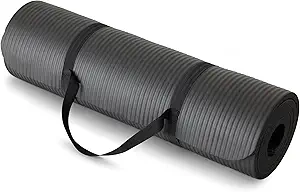
Thick Yoga Mats: Find Your Perfect Cushioning for Comfort and Stability
When shopping for a thick yoga mat like the Gaiam Thick Yoga Mat, prioritize cushioning that supports your joints without compromising balance. This mat's thickness is designed for comfort during floor poses, but the right choice depends on your practice style and body needs.
Key Considerations Before Buying
- Thickness matters: Thicker mats (around 1/4 inch or more) provide extra cushioning for sensitive knees and spines, but may reduce stability in standing poses. Consider your primary yoga style—restorative or gentle classes benefit from thicker mats, while vinyasa or power yoga may require a firmer surface.
- Material and texture: Look for mats made from PVC, TPE, or natural rubber. A non-slip surface is crucial for safety, especially if you sweat. The Gaiam mat's texture should offer grip without being sticky or slippery.
- Portability: Thick mats are often heavier and bulkier. The included easy-cinch carrying strap helps, but check the weight and rolling ease to ensure it suits your travel needs.
What Our Analysts Recommend
Quality indicators include dense, resilient foam that doesn't compress permanently, a moisture-resistant surface, and reinforced edges to prevent tearing. Also, verify the mat's dimensions—length and width—to ensure it comfortably fits your height and provides ample space for poses.
Mats Market Context
Market Overview
The yoga mat market is saturated with options ranging from ultra-thin travel mats to extra-thick mats for therapeutic use. Gaiam is a well-known brand, and this mat competes in the 'thick mat' niche, appealing to beginners and those with joint sensitivities.
Common Issues
Common problems include mats that stretch or tear over time, surfaces that become slippery when wet, and materials that off-gas or have strong odors. Some users find thick mats too bulky for storage or too heavy for daily commuting.
Quality Indicators
High-quality mats maintain their shape and grip after repeated use. Look for dense foam that rebounds quickly, a textured surface that provides traction even when damp, and construction that resists peeling or flaking. A good warranty or brand reputation also signals quality.
Review Authenticity Insights
Grade B Interpretation
The Grade B rating and 10% estimated fake review percentage suggest that while the vast majority of reviews are genuine, a significant minority may be incentivized or non-verified. This is common for popular products, but it means you should rely more on detailed, verified purchase reviews than on overall star ratings alone.
Trust Recommendation
Given the 4.89/5 rating but adjusted 4.60/5, the product likely performs well, but be cautious of overly enthusiastic reviews without specifics. Focus on reviews that mention personal experience, such as the mat's weight or thickness, as these are more likely authentic.
Tips for Reading Reviews
Read a mix of positive and negative reviews, paying attention to recurring themes. For this mat, check comments about durability, grip, and comfort. Look for reviews that describe the mat's feel over time, not just initial impressions.
Expert Perspective
The Gaiam Thick Yoga Mat appears to be a reliable choice for those seeking extra cushioning, with a high genuine satisfaction rate. The authenticity analysis indicates that most positive experiences are real, but the 10% fake review rate warrants a discerning approach. The mat's thickness and included strap are standout features that address common user needs.
Purchase Considerations
Weigh the mat's thickness against your practice style and any joint issues. If you prioritize portability, verify the weight and strap quality. Also, consider the material's eco-friendliness and whether it aligns with your values.
Comparing Alternatives
Shoppers should compare this mat with other thick mats from brands like Manduka or JadeYoga, which offer different materials and firmness levels, to ensure the best fit for their specific needs.