Choosing a 10mm Yoga Mat: Why Thickness and Traction Matter Most
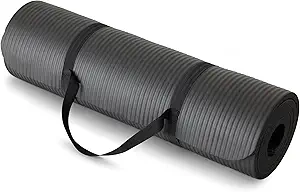
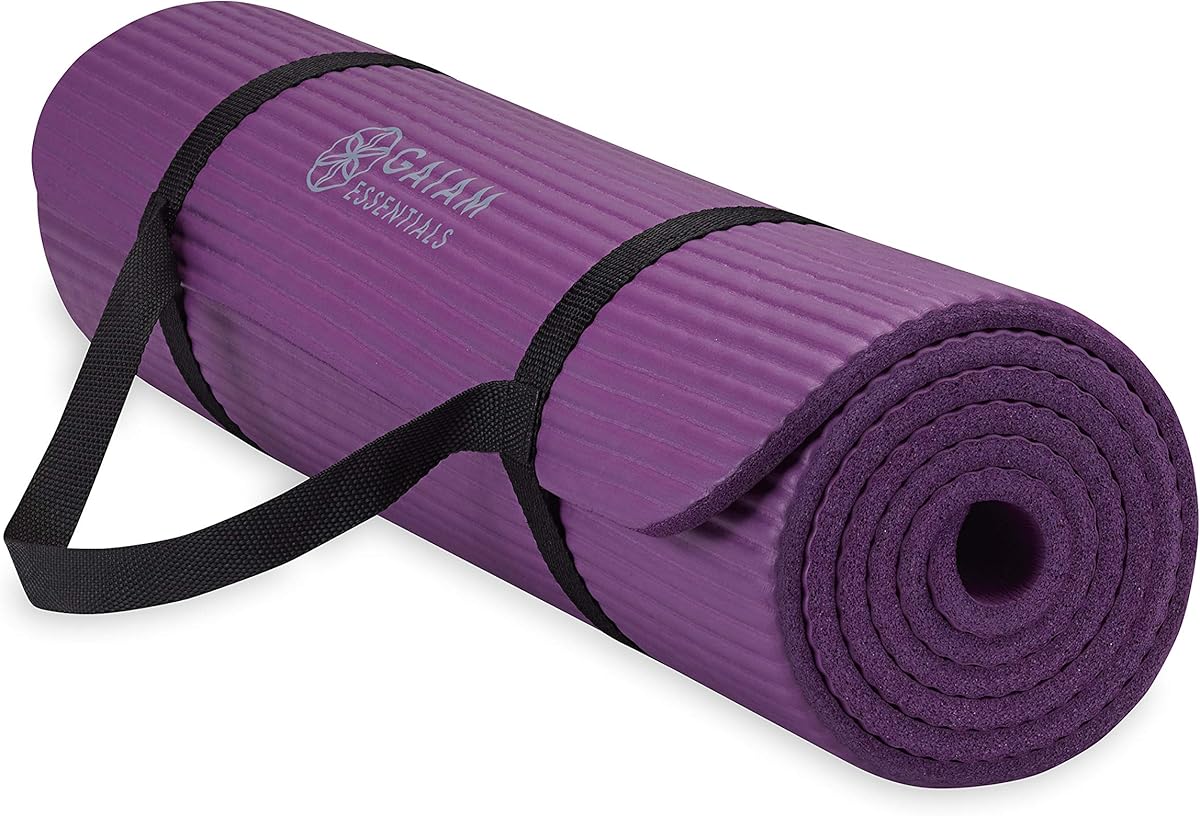
When evaluating a thick 10mm mat like this Gaiam model, the primary considerations shift from portability to cushioning and stability. This product's 2/5-inch thickness is designed for joint protection during floor work, making it particularly relevant for Pilates, yoga on hard surfaces, or users with knee sensitivity. The included carrying strap indicates it's meant for occasional transport despite its substantial weight.
Key Considerations Before Buying
- A 10mm thickness provides superior cushioning for knees and spine but reduces ground feel for balance poses, making it better for restorative yoga or Pilates than vigorous vinyasa flows.
- The non-slip surface must be evaluated for both dry and sweaty conditions; some thick mats use a textured PVC surface that grips well initially but can become slippery with intense perspiration.
- Consider storage space: a mat this thick doesn't roll as compactly as thinner options and may require dedicated floor or closet space when not in use.
What Our Analysts Recommend
Examine the edge binding and mat uniformity—quality thick mats have consistent density throughout without soft spots. The surface texture should be integrated into the material, not just a printed pattern that wears away. For a mat at this price point, check that the carrying strap is securely attached with reinforced stitching, not just glued on.
Mats Market Context
Market Overview
The premium thick-mat segment (8-12mm) has grown significantly, driven by home fitness trends and demand for joint protection. Brands like Gaiam compete with Manduka and Lululemon by offering substantial cushioning at more accessible price points, often using PVC or TPE materials rather than premium natural rubber.
Common Issues
Thick PVC mats can develop permanent creases if stored rolled too tightly, and some develop a sticky residue over time. The added weight (typically 4-6 lbs) makes them cumbersome for daily studio commutes, and their increased surface area can trap more odors if not properly cleaned.
Quality Indicators
Look for closed-cell construction that prevents moisture absorption and mildew. High-quality thick mats maintain their rebound after compression and feature a dual-texture surface—smoother for comfort in prone positions, slightly textured for grip in downward dog. The edges should be rounded, not sharp, to prevent peeling.
Review Authenticity Insights
Grade B Interpretation
A Grade B with 11% estimated fake reviews suggests generally reliable feedback, but shoppers should be slightly more critical than with an A-grade product. The 0.29-point drop from the displayed 4.89 to the adjusted 4.60 rating indicates some review inflation, though the core rating remains strong.
Trust Recommendation
Focus on verified purchase reviews that mention specific use cases like 'knee pain during Pilates' or 'using on hardwood floors.' Be skeptical of overly emotional five-star reviews that don't describe actual mat performance. The high review count (45,482) means you can find substantial feedback about long-term durability beyond initial impressions.
Tips for Reading Reviews
Search for reviews mentioning 'slippery when wet' or 'cushion over time' to assess performance limitations. Pay particular attention to reviews from users with similar body types or workout routines, as a mat's feel varies significantly by weight and sweat production.
Expert Perspective
This Gaiam mat represents a strong value proposition in the entry-level thick-mat category, with its exceptional adjusted 4.60 rating indicating genuine customer satisfaction. The 10mm thickness targets a specific user: someone prioritizing comfort over portability, likely practicing at home or in gentle fitness disciplines. The authenticity analysis suggests the positive reception is real, though the product likely excels at cushioning and basic functionality rather than high-performance grip or eco-friendly materials. The carrying strap is a practical addition for a mat this substantial, acknowledging that users might transport it occasionally despite its weight.
Purchase Considerations
Choose this mat if you need maximum cushioning for sensitive joints on hard floors and don't mind the storage footprint. Consider alternatives if you practice hot yoga frequently (where sweat management is crucial) or need a mat for daily studio commuting. The PVC material makes it easy to clean but less eco-friendly than natural rubber or jute options.
Comparing Alternatives
Shoppers should compare this mat's 10mm PVC construction with 6mm natural rubber mats at similar price points, which offer better grip but less cushioning.