
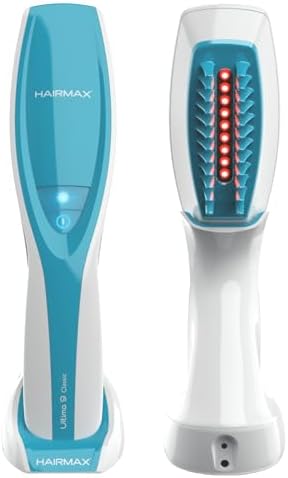
LaserComb Buyer's Guide: What to Know Before Buying Hairmax Ultima 9
When considering the Hairmax Ultima 9 Classic LaserComb, you're investing in an FDA-cleared, cordless red light therapy device designed to stimulate hair growth for both men and women. This guide focuses on key factors like treatment consistency, laser power, and scalp coverage to ensure you get the most from this specific device.
Key Considerations Before Buying
- Consistency is critical: The Ultima 9 requires using it three times per week for about 8-15 minutes per session, and results typically take 3-6 months of regular use to become visible.
- Laser comb design vs. caps or helmets: This comb requires manual parting of hair to ensure the lasers reach the scalp, which can be more time-consuming but allows targeted treatment for specific thinning areas.
- Cordless convenience: The rechargeable battery offers freedom of movement, but you must remember to charge it regularly to avoid interrupted sessions.
What Our Analysts Recommend
Quality indicators for a laser hair regrowth device include FDA clearance (as the Ultima 9 has), the number and wavelength of lasers (this model uses 9 lasers at 655nm), and clinical studies supporting efficacy. Also consider ergonomics and ease of cleaning, since the comb requires direct scalp contact.
Hair Regrowth Devices Market Context
Market Overview
The hair regrowth device market has expanded significantly, with low-level laser therapy (LLLT) emerging as a non-invasive, drug-free alternative to topical treatments like minoxidil. Devices range from combs and bands to full caps, with prices varying from $200 to over $1,000.
Common Issues
Consumers often struggle with inconsistent results due to improper usage, such as not using the device frequently enough or failing to part hair adequately for laser penetration. Additionally, some users expect immediate results, not realizing that LLLT typically requires months of consistent use.
Quality Indicators
Look for FDA clearance, clinical trial data, and a sufficient number of lasers or diodes (usually 9 or more) for effective scalp coverage. Durable build, ergonomic design, and a solid warranty also signal a quality product.
Review Authenticity Insights
Grade B Interpretation
A Grade B with an estimated 10% fake review rate indicates that while the vast majority of reviews are genuine, about 1 in 10 may be unreliable. This is relatively good for a popular hair product, but you should still approach overly glowing or vague reviews with caution.
Trust Recommendation
You can trust the overall 4.44 rating as a reasonable guide, but focus on verified purchase reviews and those that describe specific usage patterns and timelines. The high number of reviews (1738) adds statistical reliability, despite the small fake percentage.
Tips for Reading Reviews
When reading reviews for this type of device, prioritize those that mention duration of use (e.g., 'used for 4 months'), specific improvements (e.g., 'new baby hairs on temples'), and any side effects like mild scalp tingling. Be wary of reviews that lack personal context or seem overly promotional.
Expert Perspective
The Hairmax Ultima 9 Classic LaserComb is a well-established, FDA-cleared device backed by clinical research, making it a credible choice for those seeking a non-pharmaceutical hair regrowth option. With an adjusted rating of 4.20/5 and a relatively low 10% fake review rate, the product appears to deliver on its promises for many users, especially those with androgenetic alopecia. However, its effectiveness depends heavily on consistent, correct usage over several months, and it may not work for everyone, particularly those with advanced hair loss.
Purchase Considerations
Weigh the upfront cost (typically $300-$400) against the potential long-term savings from avoiding ongoing topical treatments or procedures. Also consider your willingness to commit to a thrice-weekly routine and whether a comb-style device fits your lifestyle better than a hands-free cap.
Comparing Alternatives
Shoppers should compare the Hairmax Ultima 9 with other LLLT devices like the iRestore helmet or Theradome, which offer hands-free operation but at a higher price point, to find the best fit for their needs.


