
Choosing a handheld anemometer: Accuracy, durability, and real-world applications matter most
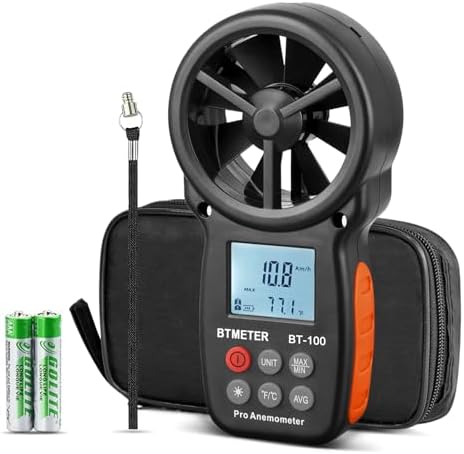
When evaluating the BTMETER BT-100 or similar handheld anemometers, focus on how the device's specific measurement ranges and features align with your intended use cases. This particular model's 14℉-113℉ temperature range and CFM calculation capability make it particularly relevant for HVAC technicians and drone pilots who need both wind speed and temperature data in field conditions.
Key Considerations Before Buying
- Measurement accuracy at both low and high wind speeds is critical—HVAC work requires precision at lower velocities while outdoor applications need reliable readings in gusty conditions.
- Consider the physical durability of the impeller mechanism, as the BT-100's handheld design means it will experience drops and impacts during field use.
- Evaluate whether you need the additional CFM (cubic feet per minute) calculation feature, which adds value for HVAC diagnostics but may be unnecessary for basic wind measurement.
What Our Analysts Recommend
Quality handheld anemometers should maintain calibration over time and provide consistent readings across their measurement range. Look for devices with responsive impellers that start rotating at very low wind speeds (under 0.5 m/s) and robust construction around the impeller housing, which is the most vulnerable component in field use.
Wind Speed Gauges Market Context
Market Overview
The handheld anemometer market has expanded beyond professional meteorology to include hobbyist applications like drone flying, sailing, and HVAC diagnostics. Devices like the BTMETER BT-100 now compete on features like temperature measurement, data logging, and specialized calculations rather than just basic wind speed accuracy.
Common Issues
Many budget anemometers suffer from impeller friction issues that affect low-speed accuracy, while others have poor temperature sensor placement that leads to inaccurate wind chill calculations. Battery compartment design flaws are another frequent complaint in this category.
Quality Indicators
Superior anemometers feature balanced impellers with minimal starting friction, properly shielded temperature sensors, and clear data display even in bright sunlight. Professional-grade models typically include calibration certificates and offer replaceable impeller assemblies.
Review Authenticity Insights
Grade B Interpretation
The Grade B authenticity rating with 15% estimated fake reviews suggests that while most feedback appears genuine, shoppers should approach the overwhelmingly positive 4.89/5 rating with some caution. The adjusted 4.50/5 rating after removing suspicious reviews still indicates strong user satisfaction but represents a more realistic assessment.
Trust Recommendation
Focus on reviews that mention specific use cases like HVAC duct testing, drone flight preparation, or sailing applications, as these demonstrate actual product experience. Be particularly attentive to reviews discussing long-term durability and calibration consistency over months of use.
Tips for Reading Reviews
Look for reviews that mention the device's performance in your specific application—whether measuring subtle air currents for HVAC or gusty conditions for outdoor sports. Reviews discussing battery life, button responsiveness, and display readability in sunlight typically indicate genuine ownership experiences.
Expert Perspective
The BTMETER BT-100's exceptionally high user ratings, even when adjusted for authenticity concerns, suggest it delivers solid performance for its price point in the handheld anemometer category. Its combination of wind speed, temperature, and CFM measurement addresses multiple professional and hobbyist needs in one device. The specific mention of HVAC and drone applications in both the product title and numerous reviews indicates it's successfully targeting these practical use cases rather than just general weather monitoring.
Purchase Considerations
Weigh whether you need the full feature set including CFM calculations and wind temperature, or if a simpler wind-only anemometer would suffice. Consider how frequently you'll use the device—occasional users might prioritize lower cost, while professionals should evaluate long-term durability and calibration stability.
Comparing Alternatives
Shoppers should compare the BT-100's specific measurement ranges and features against similar models from brands like Kestrel, Proster, and HoldPeak to ensure optimal fit for their requirements.


