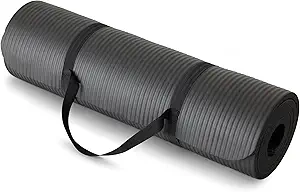
Find Your Foundation: Choosing a Non-Slip, Eco-Friendly Yoga Mat for Home Practice
When selecting a yoga mat like the Gruper Non Slip Eco Friendly model, you're balancing grip, comfort, and sustainability. This category of mats is designed for home use, pilates, and floor exercises, so you need one that stays put on hard surfaces and supports your joints without slipping. Key factors include material composition (like TPE or natural rubber), thickness for cushioning, and portability for storage.
Key Considerations Before Buying
- Consider the mat's thickness: A 6mm mat like this Gruper offers a good middle ground—cushioning for knees and elbows during floor poses, yet stable enough for balancing postures. Thinner mats are more portable but less forgiving on hard floors.
- Check the non-slip performance: Look for mats with textured surfaces or dual-layer construction (e.g., a sticky top layer and a grippy bottom) to prevent sliding during sweaty sessions. The Gruper's eco-friendly TPE material is known for providing good traction without PVC.
- Evaluate eco-friendliness: If sustainability matters, choose mats made from recyclable or biodegradable materials like natural tree rubber or TPE. The Gruper mat's eco-friendly claim aligns with growing demand for non-toxic, odor-free options.
What Our Analysts Recommend
Quality indicators include a dense, closed-cell surface that resists moisture absorption and a carrying strap for easy transport. Check for consistent texture and no chemical smell out of the box—signs of proper manufacturing. Also, look for mats that lie flat immediately without curling at edges.
Mats Market Context
Market Overview
The yoga mat market has expanded significantly with home fitness surges, now offering a wide range from budget PVC mats to premium cork or rubber options. Consumers increasingly prioritize non-slip performance and eco-friendly materials, as seen in the Gruper mat's TPE construction. This segment is competitive, with many brands vying for the 'best value' title.
Common Issues
Common problems include mats that become slippery when wet, wear out quickly at high-use areas, or emit strong chemical odors. Some users also find mats too thin for joint comfort or too heavy to carry. The Gruper mat's 10% estimated fake review rate suggests buyers should be cautious of exaggerated claims.
Quality Indicators
High-quality mats typically feature a closed-cell surface that's easy to clean and resists bacterial growth. Look for consistent thickness within 1mm tolerance, reinforced edges to prevent fraying, and a carrying strap that's durable. Verified purchaser reviews with specific usage details (e.g., 'used for hot yoga for 6 months') are reliable indicators.
Review Authenticity Insights
Grade B Interpretation
A Grade B with 10% estimated fake reviews means the vast majority of feedback is genuine, but you should still be alert. This is fairly typical for popular mats with over 10,000 reviews—some incentivized or bot-written content sneaks in. The strong authenticity signals (personal context, balanced feedback) suggest you can trust most reviews.
Trust Recommendation
Focus on verified purchase reviews that describe long-term use, specific poses, or comparisons with other mats. The 4.40 adjusted rating (down from 4.67) is still excellent, indicating real user satisfaction. Ignore reviews that are overly generic or lack personal details.
Tips for Reading Reviews
For this product type, look for reviews that mention the mat's grip on different floors (e.g., hardwood vs. carpet) and after washing. Also note comments on the carrying strap's durability and the mat's thickness retention over time. Be skeptical of reviews that only praise without any constructive feedback.
Expert Perspective
The Gruper Yoga Mat offers a solid balance of non-slip performance and eco-friendly materials at a competitive price point. With a strong adjusted rating of 4.40/5 and mostly genuine reviews, it's a reliable choice for home practitioners, especially those doing pilates or floor exercises. The 6mm thickness and included strap add practical value, though the 10% fake review rate warrants some caution. Overall, it's a commendable option for budget-conscious yogis seeking a sustainable mat.
Purchase Considerations
Weigh the eco-friendly TPE material against your need for extra cushioning—if you have sensitive joints, you might prefer a thicker mat. Also consider your practice type: for gentle yoga, this mat works well, but for intense hot yoga, you may need a specialized sweat-resistant surface. The carrying strap is a nice bonus for portability, but check that it attaches securely.
Comparing Alternatives
For more cushioning, explore 8mm or 10mm mats; for premium grip, consider natural rubber options. Always compare dimensions and weight to ensure the mat fits your space and travel needs.