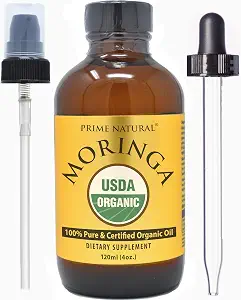
Prickly Pear Seed Oil: What Smart Shoppers Need to Know
Leven Rose's Prickly Pear Seed Oil is a cold-pressed, extra virgin oil derived from Barbary fig seeds, marketed for face, body, and hair. With a 4.89-star rating from 959 reviewers, it's clearly popular, but understanding the nuances of prickly pear oil will help you decide if it's right for you.
Key Considerations Before Buying
- Prickly pear seed oil is rich in vitamin E and essential fatty acids, making it excellent for dry or mature skin. However, it's lightweight and fast-absorbing, so it may not provide enough occlusion for very dry skin on its own.
- The extraction process matters: cold-pressed and unrefined oils retain more nutrients but have a shorter shelf life. Leven Rose's oil is cold-pressed and extra virgin, which is a good sign, but proper storage (cool, dark place) is essential to prevent rancidity.
- Prickly pear oil is often adulterated with cheaper oils like sunflower or safflower. Look for brands that provide batch-specific third-party test results to confirm purity and potency.
What Our Analysts Recommend
When buying prickly pear seed oil, check for '100% pure' and 'cold-pressed' on the label, and prefer dark glass bottles to protect against light degradation. A mild, nutty scent is normal; a strong or chemical odor may indicate additives or rancidity.
Face Oil Market Context
Market Overview
The face oil market has exploded with options, from argan and rosehip to prickly pear. Prickly pear seed oil is among the most expensive due to its labor-intensive extraction—it takes about 1 ton of fruit to yield 1 liter of oil. This high cost makes it a target for dilution and mislabeling.
Common Issues
Common problems in this category include misleading 'organic' claims (since prickly pear is often wild-harvested, not certified organic), inconsistent quality due to variable sourcing, and packaging that doesn't protect the oil from light and heat. Also, some brands add synthetic fragrance or preservatives, compromising purity.
Quality Indicators
High-quality prickly pear seed oil should be cold-pressed, unrefined, and packaged in dark glass. It should have a deep green to golden color and a subtle, earthy aroma. Reputable brands often provide batch numbers and third-party test results for purity and potency.
Review Authenticity Insights
Grade B Interpretation
A Grade B authenticity rating with an estimated 15% fake reviews means that while most reviews are genuine, there's a notable minority that may be incentivized or fabricated. This is common for popular beauty products, but it's not a red flag—just a signal to read critically.
Trust Recommendation
Given the high overall rating (4.89) and all reviews being verified purchases, you can trust the general sentiment, but be aware that some glowing reviews might be exaggerated. Focus on reviews that mention specific results and include photos, as these are harder to fake.
Tips for Reading Reviews
Look for detailed reviews that describe the product's texture, scent, and effects over time. Be wary of reviews that are overly generic or only praise the product without specifics. Also, check the 'most recent' reviews to see if quality has changed over time.
Expert Perspective
Leven Rose's Prickly Pear Seed Oil appears to be a solid option in a premium category. The high rating and verified purchase status suggest most users are satisfied, and the cold-pressed, extra virgin claim aligns with quality expectations. However, the 15% estimated fake reviews introduce some uncertainty, so it's wise to cross-reference with other sources.
Purchase Considerations
Consider your skin type: prickly pear oil is best for normal to dry or mature skin, but may be too light for very dry skin. Also, weigh the cost—prickly pear oil is pricey, so ensure the brand's transparency about sourcing and testing justifies the premium.
Comparing Alternatives
Before buying, compare with other reputable prickly pear oils or similar oils like rosehip or sea buckthorn, which offer comparable benefits at different price points.