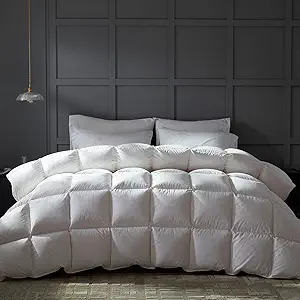
Choosing an All-Season Microfiber Comforter: Warmth Without Weight Matters
When selecting an alternative down comforter like this Full Size White model, understanding the balance between warmth, breathability, and fill construction is crucial. This specific product markets itself as a lightweight, hotel-quality option using cooling microfiber, which means you're evaluating synthetic insulation performance rather than traditional down.
Key Considerations Before Buying
- The 'all-season' claim requires examining fill power and baffle-box construction to prevent cold spots while maintaining breathability for warmer months.
- For a cooling microfiber comforter, check if the fabric weave actually promotes airflow or if it's simply a marketing term for standard polyester.
- Oversized dimensions (like this product's) should account for proper duvet coverage without excessive drape that traps heat.
What Our Analysts Recommend
Quality indicators include tightly-woven microfiber shells that prevent fill migration and durable corner tabs for secure duvet attachment. Examine whether the 'hotel quality' refers to stitch density (higher is better) or merely marketing language. Genuine lightweight warmth comes from advanced synthetic clusters, not just thin filling.
Comforters Market Context
Market Overview
The alternative down comforter market has exploded with microfiber options promising down-like loft without allergens, but performance varies dramatically between brands. Consumers increasingly seek year-round solutions rather than seasonal swaps, driving the 'all-season' category growth.
Common Issues
Many microfiber comforters suffer from fill clumping after washing, inadequate warmth for their weight rating, and misleading 'cooling' claims that actually trap heat. The oversized trend sometimes results in poorly proportioned comforters that don't fit standard duvet covers properly.
Quality Indicators
Superior synthetic comforters feature box-stitch or baffle-box construction (not sewn-through), higher GSM (grams per square meter) ratings for warmth-to-weight ratio, and OEKO-TEX certified fabrics. True hotel-grade pieces use denser fill distribution and reinforced edges.
Review Authenticity Insights
Grade B Interpretation
The Grade B authenticity rating with 11% estimated fake reviews suggests generally reliable feedback, but requires discerning reading. The adjusted 4.40/5 rating (down from 4.67/5) indicates some review inflation, though 89% of feedback appears genuine.
Trust Recommendation
Focus on verified purchase reviews discussing specific characteristics like washing results, actual warmth level in different seasons, and durability over months of use. Be skeptical of reviews that only praise generic 'softness' without mentioning fill distribution or temperature regulation.
Tips for Reading Reviews
Prioritize reviews mentioning sleep temperature preferences (hot/cold sleepers), washing experiences, and comparisons to previous comforters. Look for detailed observations about whether the 'lightweight' claim matches actual warmth provided during cooler nights.
Expert Perspective
This comforter's strong adjusted rating (4.40/5) from predominantly genuine reviews suggests it delivers on core promises for most buyers. The 'all-season' performance appears validated by numerous reviews mentioning use across temperature ranges, though individual climate and sleep preferences will affect satisfaction. The product's positioning as hotel-quality oversized bedding aligns with current market trends toward premium synthetic fills that mimic down's loft without maintenance hassles.
Purchase Considerations
Weigh whether you truly need oversized dimensions (which may require special duvet covers) versus standard sizing. Consider your local climate against the 'all-season' claim—those in extreme temperatures may still need supplemental bedding. The cooling microfiber construction likely performs best for average sleepers, not those with severe temperature dysregulation.
Comparing Alternatives
Compare this product's fill weight and construction against similar-priced microfiber alternatives, particularly examining stitch patterns and shell fabric density.