
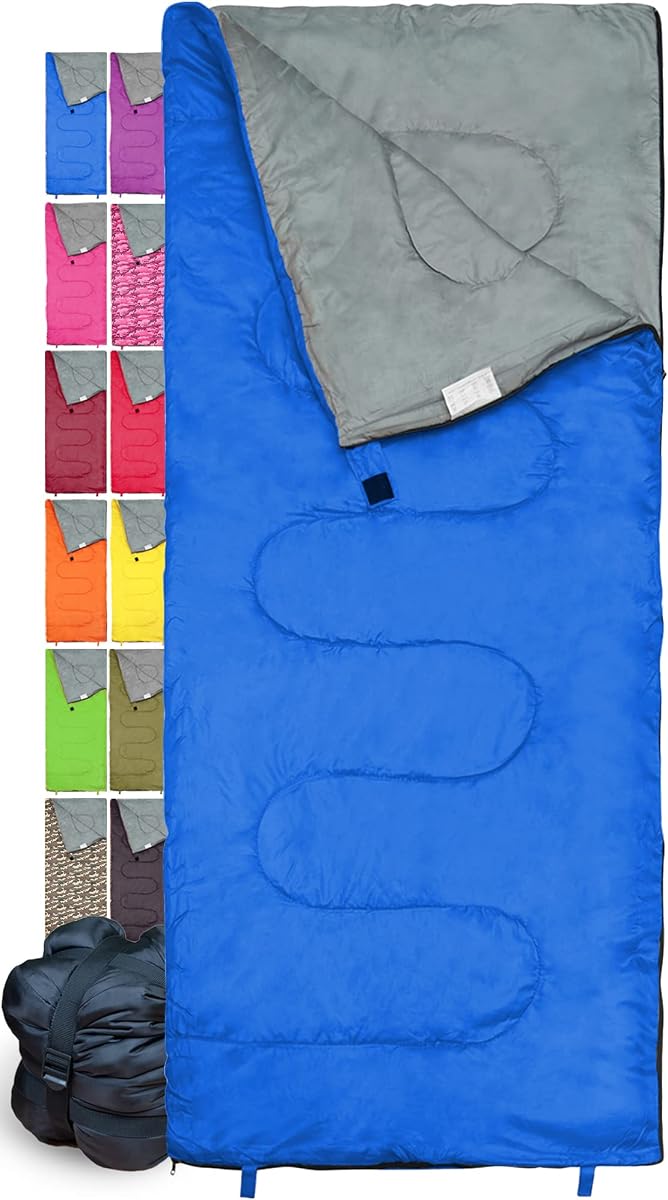
Choosing the Right Ultralight Sleeping Bag for Kids and Adults
When selecting a sleeping bag that promises versatility for both indoor and outdoor use, as this one does, you're balancing portability with comfort for a wide age range from kids to adults. The key is verifying that ultralight and compact claims don't sacrifice essential warmth and durability for hiking and camping.
Key Considerations Before Buying
- For family use spanning kids, teens, and adults, confirm the bag's temperature rating and size adjustability—a bag too large for a child loses heat, while one too small restricts an adult's comfort.
- Ultralight bags often use synthetic fills that compress well but may have lower warmth-to-weight ratios; check if the bag is rated for your typical camping conditions, such as summer or three-season use.
- Indoor use (like sleepovers) requires easy cleaning and breathable fabrics, while outdoor use demands water resistance and robust zippers—verify these features if you plan dual-purpose use.
What Our Analysts Recommend
Quality indicators include a reliable zipper that doesn't snag, a draft tube to prevent heat loss, and a stuff sack that achieves true compactness. Also, look for a hood or cinch cord for added warmth, and ensure the inner lining is soft to avoid irritation for kids and sensitive skin.
Sleeping Bags Market Context
Market Overview
The sleeping bag market has shifted toward ultralight and multi-use designs, with brands competing to offer bags under 3 pounds that serve both casual campers and backpackers. This product targets the growing demand for affordable, family-friendly options that don't require separate bags for kids and adults.
Common Issues
Common issues include overhyped temperature ratings—many budget bags fail to keep users warm at their claimed lower limits—and durability concerns, especially with lightweight fabrics that tear easily. Compression loss over time is another problem, where synthetic fills lose loft after repeated packing.
Quality Indicators
To identify quality, check for reinforced stress points like the footbox and zipper base, a compression sack that actually reduces volume by at least 50%, and user reviews that mention consistent warmth across different body types. Verified purchase reviews with specific temperature experiences are most reliable.
Review Authenticity Insights
Grade B Interpretation
A Grade B with an estimated 10% fake review rate indicates that while the majority of reviews are genuine, about 1 in 10 may be unreliable—likely incentivized or from non-verified sources. The 4.89 average rating is impressive, but the adjusted 4.60 after filtering suggests a slight inflation, so focus on detailed, verified reviews.
Trust Recommendation
Trust the product's core claims, especially given the high verified purchase rate and personal context in reviews. However, be cautious of overly glowing reviews lacking specifics—cross-reference any extreme praise with the adjusted rating to avoid overestimating quality.
Tips for Reading Reviews
For sleeping bags, prioritize reviews that mention actual use conditions (e.g., 'used in 40°F weather' or 'fit my 5'10" frame'), as these reveal real-world performance. Ignore reviews that only praise 'lightweight' without details on warmth or durability, and look for patterns in negative feedback about zipper or temperature issues.
Expert Perspective
This sleeping bag appears to be a solid, versatile option for families seeking an affordable, lightweight bag for both indoor sleepovers and outdoor adventures. The high adjusted rating of 4.60 from over 9,000 reviews suggests genuine user satisfaction, particularly with its ultralight design and multi-age usability. However, the 10% fake review rate and Grade B authenticity mean buyers should verify specific needs like temperature rating and fit for their intended use.
Purchase Considerations
Weigh the bag's universal sizing against your specific needs—if you're a tall adult or a very small child, check reviews for fit feedback. The compact nature is ideal for backpacking, but ensure the warmth-to-weight ratio matches your camping climate; for winter use, you may need a supplemental liner.
Comparing Alternatives
Shoppers should compare this bag with other ultralight models from brands like Kelty or REI Co-op that offer proven durability and temperature ratings, especially if planning frequent outdoor use. For purely indoor use, a cheaper fleece bag might suffice, but this option provides outdoor versatility.


