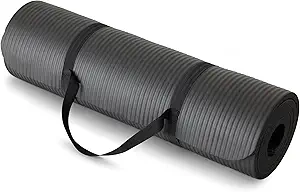
Find Your Foundation: Choosing a 6mm Yoga Mat That Lasts
When you're shopping for a yoga mat, the 6mm thickness is a sweet spot for many practitioners—it offers more cushioning than a thin travel mat while still providing enough stability for balance poses. The Gaiam Premium Yoga Mat, with its printed top surface and durable construction, is designed for those who want both comfort and style. But beyond the looks, you need to consider grip, material, and how the mat will hold up over time.
Key Considerations Before Buying
- Thickness vs. Stability: While a 6mm mat provides extra padding for sensitive joints, it can feel less stable in balancing poses like tree or warrior III. If you practice primarily standing balances, you might prefer a thinner 4mm mat, but for floor work and restorative sessions, 6mm is ideal.
- Material and Grip: The Gaiam mat is made from PVC, which offers a good grip when dry but can become slippery when wet. If you sweat a lot, look for a mat with a textured surface or consider a yoga towel. Also, check if the mat is latex-free if you have allergies.
- Maintenance and Longevity: Printed mats can show wear faster than solid colors, especially in high-contact areas. To extend the life of your mat, clean it regularly with a gentle spray and avoid leaving it in direct sunlight for extended periods, which can cause fading and breakdown of the material.
What Our Analysts Recommend
When evaluating a yoga mat, check the density of the foam—a higher density means better support and durability. Also, examine the surface texture; a slightly textured finish provides better grip. Look for mats that are free from harmful phthalates and heavy metals, as many premium brands now offer non-toxic options.
Mats Market Context
Market Overview
The yoga mat market has expanded significantly, with options ranging from eco-friendly natural rubber to high-tech polyurethane. However, PVC mats like the Gaiam remain popular due to their balance of cushioning, grip, and affordability. The 6mm thickness category is particularly competitive, as it appeals to a broad range of practitioners from beginners to intermediate yogis.
Common Issues
One common issue with printed mats is that the design can peel or fade over time, especially with frequent practice. Another concern is that some mats have a strong chemical odor initially, which can be off-putting. Additionally, PVC mats are not biodegradable, which is a consideration for environmentally conscious consumers.
Quality Indicators
High-quality yoga mats typically have a consistent thickness throughout, a firm yet cushioned feel, and a non-slip surface that works both in downward dog and savasana. Look for mats that come with a lifetime guarantee or a generous return policy, as this indicates the manufacturer's confidence in their product.
Review Authenticity Insights
Grade B Interpretation
The Grade B rating and 10% estimated fake review percentage suggest that the vast majority of reviews are authentic, but a small portion may be incentivized or from non-verified purchases. This is relatively common for popular products, and the high adjusted rating of 4.60/5 still indicates strong genuine satisfaction. However, it's wise to read between the lines and focus on verified purchase reviews.
Trust Recommendation
Given the high volume of reviews (over 22,000) and the authenticity grade, you can trust this product's overall performance. To be extra cautious, filter reviews by 'Verified Purchase' and look for those that mention specific details about the mat's texture, thickness, and durability after months of use. Be wary of reviews that are overly generic or lack specifics.
Tips for Reading Reviews
When reading reviews for this type of product, pay attention to comments about the mat's grip in hot yoga or its cushioning on hard floors. Also, look for patterns—if many reviewers mention the same issue (e.g., the print wearing off), it's likely a real problem. Ignore reviews that seem overly promotional or are written in a similar style, as these could be fake.
Expert Perspective
The Gaiam Premium Yoga Mat, 6mm Thick Print Mat, appears to be a solid choice for practitioners seeking a balance of comfort and durability. With an adjusted rating of 4.60/5, it clearly delivers on its promises for most users. The 6mm thickness is well-suited for those who need extra joint protection, and the printed design adds a personal touch that many appreciate. However, the 10% fake review rate is a reminder to approach all online feedback with a critical eye.
Purchase Considerations
Before purchasing, consider your primary yoga style and how often you practice. If you practice hot yoga or have a tendency to sweat, you may need a mat with better moisture-wicking properties. Also, think about the mat's weight—6mm mats are typically heavier, which could be a factor if you travel with your mat. Finally, consider your budget and whether you're willing to pay a premium for a mat that may last longer.
Comparing Alternatives
While this Gaiam mat is a strong contender, it's worth comparing with other 6mm mats from brands like Manduka, Liforme, or Jade Yoga, which offer different materials and features. Some may have better eco-credentials or superior grip, but they often come at a higher price point.