
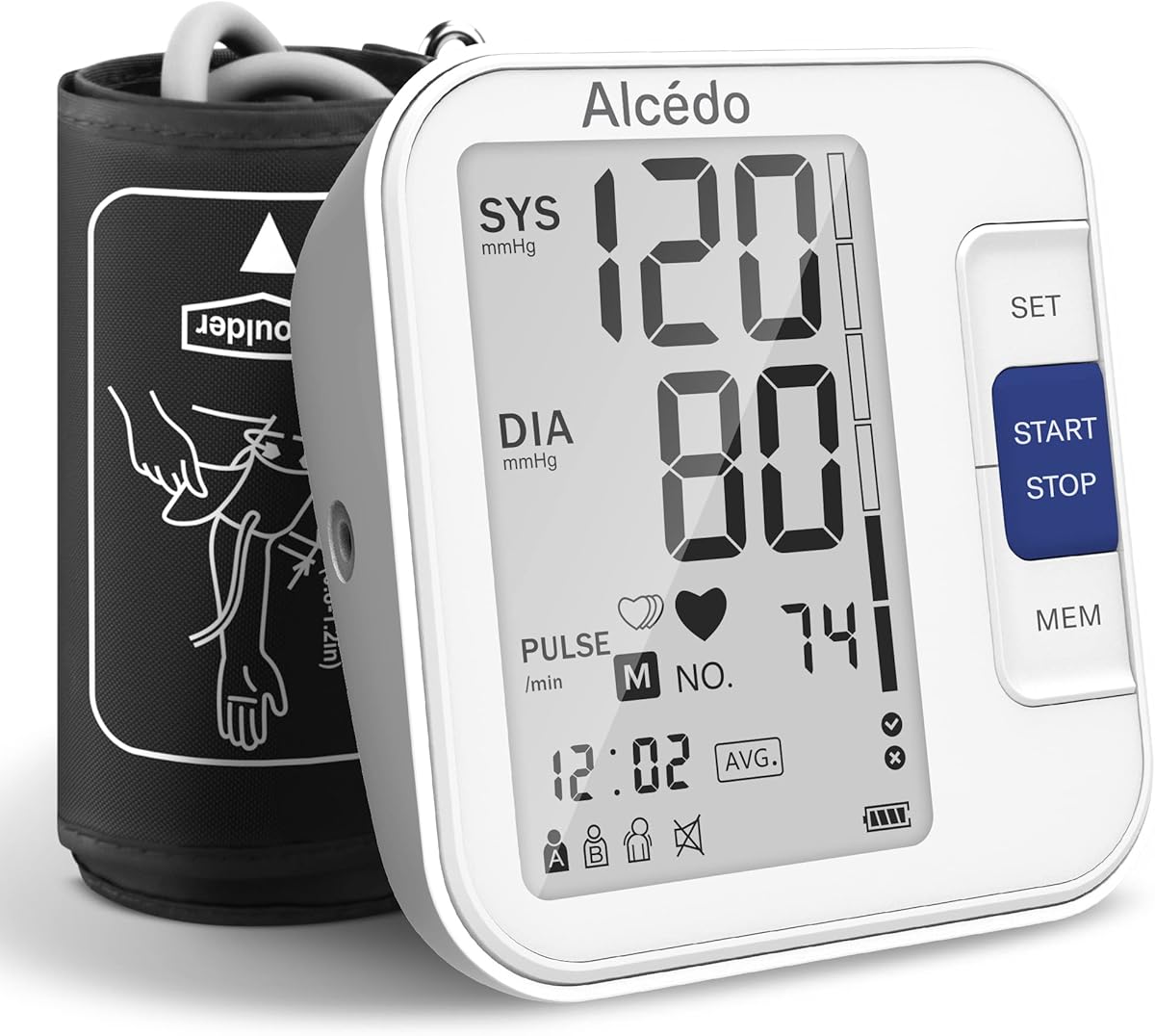
Choosing an Automatic Upper Arm Monitor: What the Alcedo Model Reveals
When selecting an automatic blood pressure monitor like the Alcedo model, focus on features that enhance accuracy and daily usability. This specific unit highlights the importance of a large cuff, substantial memory capacity, and accessibility features like voice guidance, which are critical for consistent home monitoring.
Key Considerations Before Buying
- Cuff fit is paramount; the Alcedo's 'Large Cuff' designation must match your upper arm circumference to avoid inaccurate readings, which is a common source of user error.
- Memory capacity matters for tracking trends; the 2x120 memory (two users, 120 readings each) is a substantive feature for shared household use and reviewing data with a healthcare provider.
- The 'Talking Function' is not just a convenience but an accessibility aid, particularly for users with vision impairments or those who prefer auditory confirmation during the measurement process.
What Our Analysts Recommend
Prioritize monitors with clear validation from medical associations (like the AHA or ESH) for clinical accuracy. For automatic models, look for irregular heartbeat detection and consistent cuff inflation technology, as these are hallmarks of reliable devices beyond basic LCD screens.
Automatic Market Context
Market Overview
The automatic upper arm monitor market is saturated with options ranging from basic sub-$30 units to connected devices over $100. The Alcedo positions itself in the mid-range with a focus on core functionality like memory and voice, rather than smartphone integration.
Common Issues
Common frustrations include cuffs that are difficult to self-apply correctly, inconsistent readings between measurements, and devices that fail to hold calibration over time. Battery life and unclear error codes also frequently appear in critical reviews.
Quality Indicators
Beyond brand name, quality is indicated by clear instructions for proper positioning, the inclusion of a detailed logbook or easy data retrieval, and durable materials in the cuff and tubing. A lower rate of reviews mentioning 'defective out of box' is a positive signal.
Review Authenticity Insights
Grade B Interpretation
A 'Grade B' with an 11% estimated fake review rate suggests the Alcedo's review profile is generally trustworthy but requires discerning reading. The adjusted rating of 4.20 (down from 4.44) indicates some review inflation, but the core positive sentiment is likely authentic.
Trust Recommendation
Focus on verified purchase reviews that detail long-term use over several weeks or months, and pay particular attention to critical 3-star reviews, which often provide the most balanced insights on consistency and durability for this product type.
Tips for Reading Reviews
Look for reviews that mention specific use cases, like 'monitoring medication effects' or 'tracking morning readings.' Be skeptical of overly emotional language and reviews that don't mention the cuff size, setup process, or comparison to a doctor's office reading.
Expert Perspective
The Alcedo monitor presents a compelling package for users prioritizing straightforward operation and ample memory. Its strong adjusted rating of 4.20 from a large review pool (26,967) indicates widespread user satisfaction with its core functions. The inclusion of a talking feature and large cuff addresses key accessibility and fit issues common in the category. However, the authenticity grade suggests shoppers should weigh the notable volume of positive feedback against the potential for a modest level of review manipulation.
Purchase Considerations
This model is best suited for individuals or couples who need a no-frills, reliable tracker without Bluetooth features. Consider if the large cuff fits your arm and if the voice guidance is a helpful feature or an unnecessary distraction in your household environment.
Comparing Alternatives
Shoppers should compare the Alcedo's feature set and price against similarly rated monitors from brands like Omron or Beurer, paying close attention to cuff size options and clinical validation claims.


