Choosing a Sugar-Free Electrolyte Powder: What Active Users Need to Know
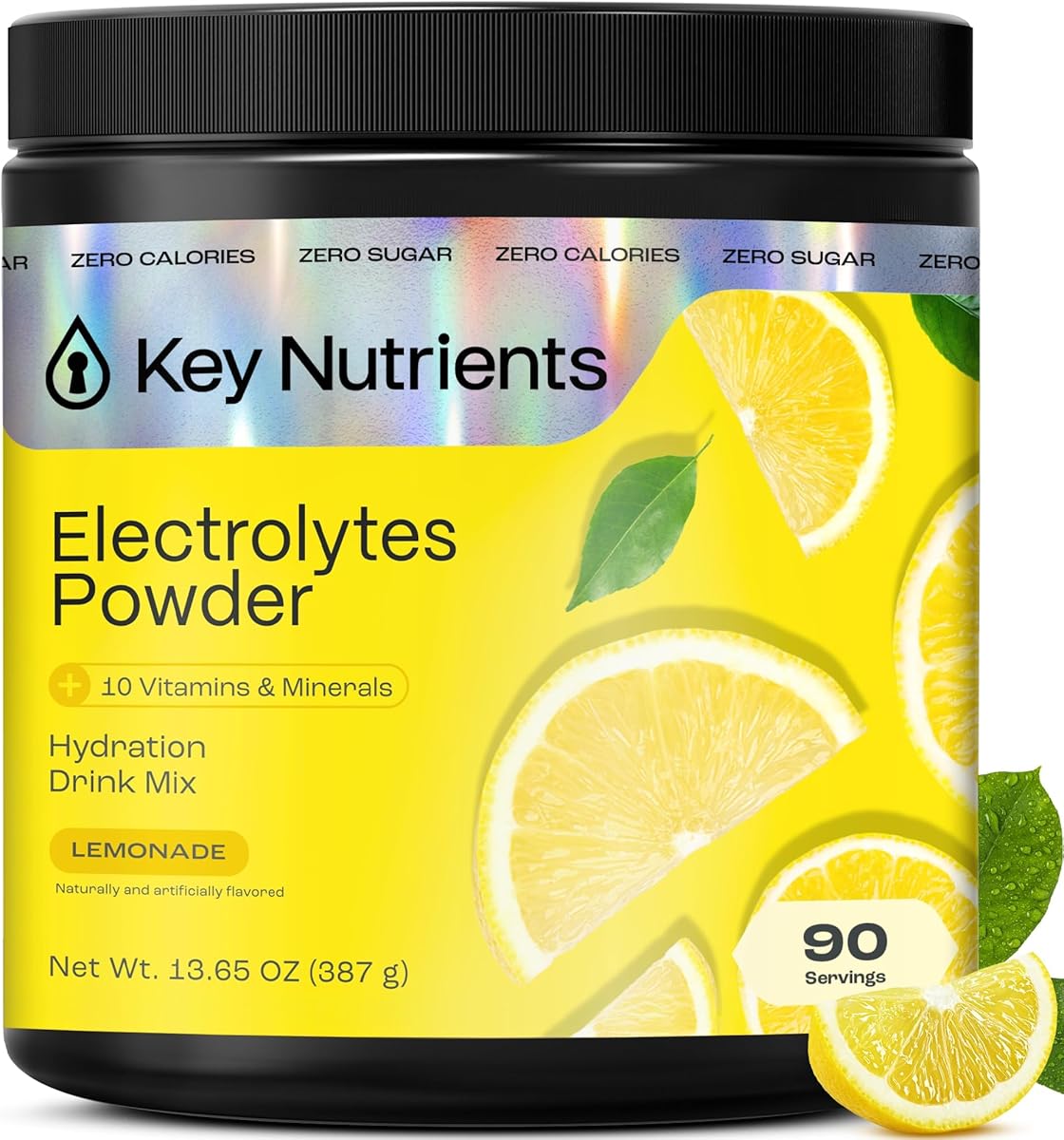
When evaluating KEY NUTRIENTS' Lemonade Electrolyte Powder, focus on its dual role as a hydration aid and multivitamin supplement. This product specifically targets users seeking zero-calorie, sugar-free replenishment with added micronutrients, distinguishing it from basic sports drinks.
Key Considerations Before Buying
- Assess your sodium and potassium needs: This powder provides electrolyte replacement, which is crucial for athletes, those in hot climates, or individuals on low-carb diets, but may not suit those on sodium-restricted medical plans.
- Consider the multivitamin inclusion: Unlike pure electrolyte mixes, this product adds vitamins; check if these overlap with your existing supplements to avoid excessive intake of specific nutrients like B-vitamins.
- Evaluate flavor tolerance without sugar: The 'Refreshing Lemonade' flavor relies on stevia and natural flavors; some users find aftertastes with sugar-free sweeteners, so sample size testing is wise if you're sensitive.
What Our Analysts Recommend
For electrolyte powders, examine the electrolyte ratio—specifically sodium to potassium balance—and the absence of fillers like maltodextrin. KEY NUTRIENTS highlights a no-sugar, no-calorie formula with added magnesium and calcium, which are key for comprehensive hydration support beyond just sodium replacement.
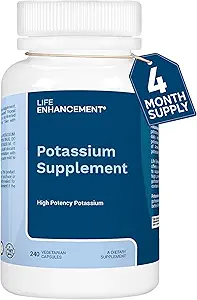
Potassium Market Context
Market Overview
The sugar-free electrolyte market has expanded beyond athletes to include keto dieters, intermittent fasters, and health-conscious consumers, creating products that blend hydration with functional supplements. KEY NUTRIENTS enters this space by combining electrolytes with a multivitamin complex, a less common approach.
Common Issues
Many electrolyte powders suffer from poor solubility, metallic aftertastes from mineral sources, or insufficient potassium levels relative to sodium. Users also report digestive discomfort with certain magnesium compounds or excessive sugar alcohols in some sugar-free formulations.
Quality Indicators
High-quality electrolyte powders use bioavailable mineral forms like potassium citrate (as found here) rather than chloride, disclose all ingredient sources, and provide transparent electrolyte milligram amounts per serving. The 'Made in USA' designation often implies stricter manufacturing standards for supplement purity.
Review Authenticity Insights
Grade B Interpretation
A Grade B with 11% estimated fake reviews indicates generally reliable feedback, but suggests some incentivized or biased reviews may be present. The adjusted rating of 3.70/5 (down from 3.89) reveals that authentic critical reviews slightly temper the overall score.
Trust Recommendation
Prioritize reviews that mention specific use cases like 'post-workout,' 'during keto flu,' or 'for hot yoga,' as these demonstrate genuine usage. Be slightly more skeptical of overly vague 5-star reviews lacking personal context, given the fake percentage.
Tips for Reading Reviews
Focus on 3- and 4-star reviews for balanced perspectives on flavor acceptance and mixability issues. For this product, pay particular attention to comments about the stevia aftertaste and how well the powder dissolves in cold water, as these are common pain points in sugar-free electrolyte category.
Expert Perspective
KEY NUTRIENTS' offering stands out for combining a full electrolyte profile with multivitamins in a zero-calorie format—a niche formulation. The 3.70 adjusted rating from over 21,000 reviews suggests consistent, if not exceptional, user satisfaction. The product's strength is its dual-function approach, but this also means it's not the optimal choice for someone seeking pure, high-dose electrolyte replacement without added vitamins. The inclusion of both sodium and potassium in meaningful amounts addresses the primary electrolyte loss concerns for most active adults.
Purchase Considerations
This product makes most sense for active individuals who want hydration support plus basic vitamin coverage in one product, particularly those avoiding sugar and calories. It's less ideal for those needing medical-grade electrolyte replacement or who already take a comprehensive multivitamin, due to potential nutrient duplication.
Comparing Alternatives
Shoppers should compare the electrolyte ratios and vitamin profiles against pure electrolyte products and separate multivitamins to determine if this combined approach meets their specific needs.