
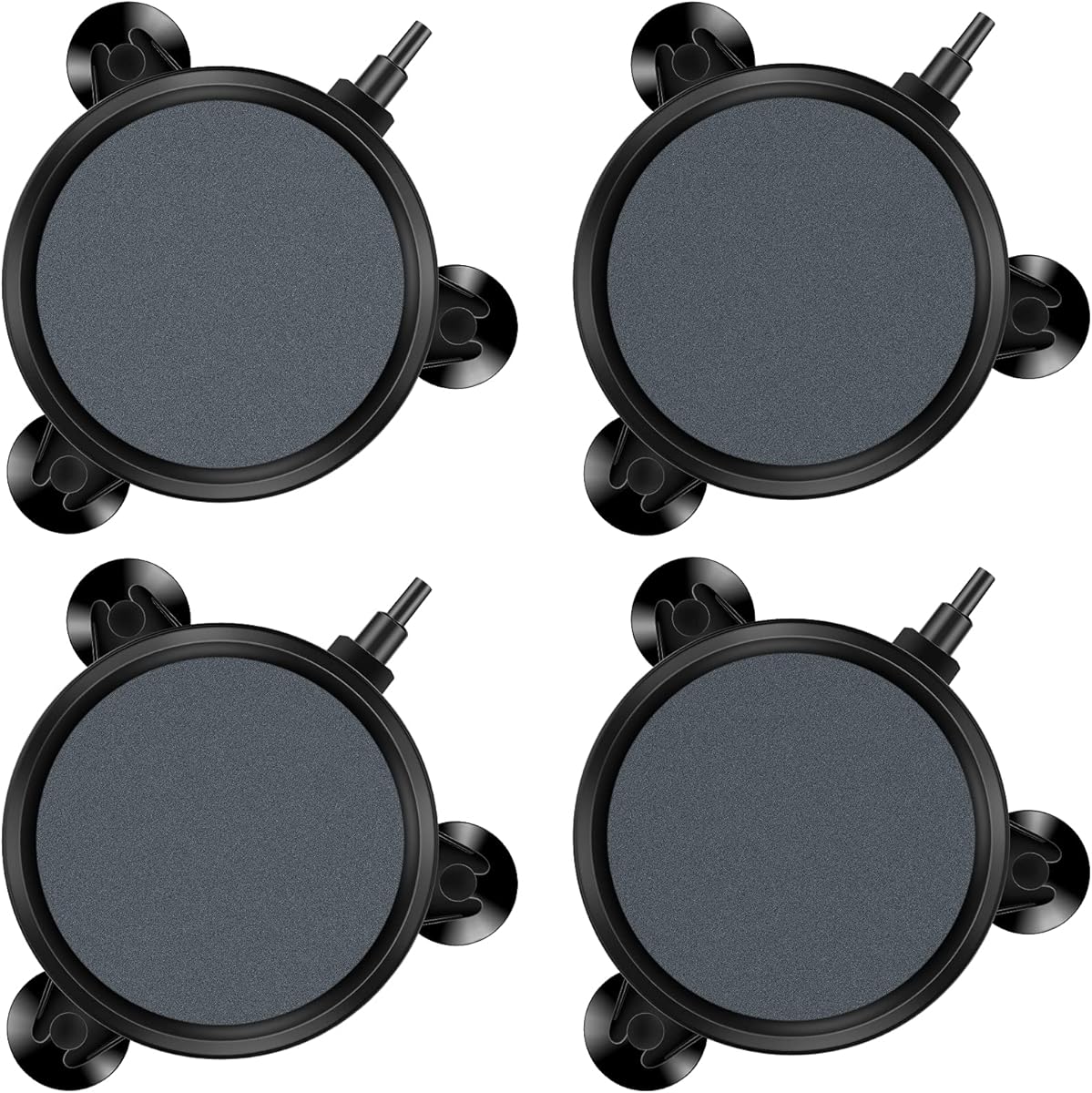
Choosing the Right 4-Inch Air Stone Disc for Your Aquarium or Hydroponic System
The Pawfly 4-inch air stone discs are designed for oxygenation across multiple applications, from fish tanks to DWC reservoirs. These specific discs feature a fine-pore ceramic construction that determines bubble size and distribution, directly impacting oxygenation efficiency and noise levels. Understanding their compatibility with your air pump's output pressure is crucial for optimal performance.
Key Considerations Before Buying
- Match the disc's pore size to your application: finer pores create smaller bubbles for maximum gas exchange in fish tanks, while slightly larger pores may prevent clogging in nutrient-rich hydroponic solutions.
- Consider the 4-inch diameter's surface area relative to your water volume; larger tanks may require multiple discs or a different diffuser shape for even oxygen distribution.
- Evaluate your air pump's LPH (liters per hour) output; these discs require sufficient pressure to overcome water depth and ceramic resistance for consistent bubbling.
What Our Analysts Recommend
Quality ceramic air stones maintain consistent bubble patterns across the entire disc surface without dead spots. Check for uniform coloration and smooth edges on the ceramic, as rough manufacturing can indicate inconsistent pore structure. The included suction cups should provide secure mounting without frequent readjustment.
Air Pump Accessories Market Context
Market Overview
The aquarium and hydroponic air stone market is saturated with low-cost ceramic discs that vary significantly in porosity and durability. Recent trends show consumers seeking multi-packs like Pawfly's 4-pack for value and replacement convenience across multiple systems. Quality differentiation often comes down to ceramic composition and pore consistency rather than brand recognition.
Common Issues
Premature clogging from mineral deposits or biofilm is the primary failure mode, especially in hard water environments. Inconsistent bubbling patterns often indicate manufacturing defects in pore distribution. Poor suction cup adhesion leads to discs detaching and floating, disrupting bubble placement and reducing oxygenation efficiency.
Quality Indicators
Superior ceramic discs demonstrate uniform bubble release across 90%+ of the surface area when first used. Quality manufacturers use fired ceramic that resists water absorption and maintains pore structure. Effective packaging protects discs from shipping damage that can create microfractures affecting bubble distribution.
Review Authenticity Insights
Grade B Interpretation
A Grade B authenticity rating with 11% estimated fake reviews indicates predominantly genuine feedback with minimal manipulation. The 0.20-point difference between the Amazon rating (4.00) and adjusted rating (3.80) suggests some inflated positive reviews but generally reliable customer experiences.
Trust Recommendation
Focus on reviews mentioning specific applications like DWC reservoirs or bucket systems, as these demonstrate authentic usage scenarios. Be slightly more critical of perfect 5-star reviews that lack implementation details, as they may represent the estimated 11% less reliable feedback.
Tips for Reading Reviews
Prioritize reviews discussing long-term performance (2+ months) to assess clogging resistance. Look for mentions of compatibility with specific air pump models or water depths, as these provide practical installation insights. Reviews noting bubble pattern consistency offer the best indicator of manufacturing quality.
Expert Perspective
The Pawfly 4-inch discs represent solid value in the multi-pack air stone segment, with their 3.80 adjusted rating reflecting reliable performance for basic oxygenation needs. Their strength lies in versatility across aquarium and hydroponic applications, though they may not match specialized diffusers for specific use cases. The four-pack configuration addresses the common need for replacements as ceramic discs naturally degrade over 6-12 months.
Purchase Considerations
These discs are best suited for users needing multiple diffusers for separate systems or those wanting spares for maintenance rotations. Consider your willingness to perform occasional cleaning with hydrogen peroxide or bleach solutions to maintain pore function. The value proposition shifts if you require extremely fine bubbles for sensitive species or high-pressure applications exceeding standard aquarium pumps.
Comparing Alternatives
Shoppers should compare pore density and ceramic thickness with similar multi-packs, as these factors directly impact bubble size and longevity.


