Choosing a manual citrus press: durability, leverage, and cleaning matter most
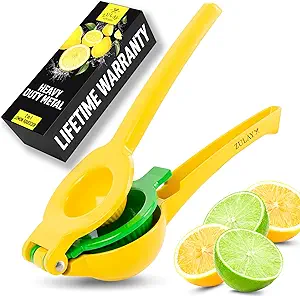
When selecting a manual citrus juicer like the Zulay Kitchen Cast Iron model, focus on the mechanical advantage it provides for different fruit sizes and the materials that withstand acidic juice. This specific product combines a cast iron frame with a stainless steel reamer and copper finish, creating a hybrid construction that impacts both performance and maintenance.
Key Considerations Before Buying
- Leverage ratio is critical: The distance from the hinge to the handle determines how much force you can apply, especially for tougher citrus like grapefruits or thick-skinned oranges.
- Reamer design affects yield: A deep-ribbed stainless steel cone like Zulay's extracts more pulp and juice than shallow designs, but requires more cleaning effort.
- Stability under pressure: A heavy cast iron base prevents tipping during forceful pressing, a common failure point in lighter aluminum or plastic juicers.
What Our Analysts Recommend
Examine the pivot point for solid metal construction rather than plastic inserts, which degrade with citrus acid exposure. The reamer should be seamless stainless steel without welded joints where pulp can accumulate. For the Zulay specifically, verify the copper plating is purely decorative and doesn't contact the juice, as copper can react with citrus acids.
Manual Juicers Market Context
Market Overview
The manual citrus press market has bifurcated into lightweight budget models under $30 and premium heavy-duty units like this Zulay model priced around $50-70, with the latter emphasizing restaurant-grade durability for home use. Recent trends show increased demand for easy-clean designs as consumers prioritize convenience alongside performance.
Common Issues
Plastic components in pressure points frequently crack under repeated use, while inferior castings develop hairline fractures in the lever arms. Many juicers struggle with smaller citrus like key limes, as their reamers are sized primarily for oranges, creating a gap that reduces juice extraction efficiency.
Quality Indicators
Premium manual juicers feature solid cast iron or steel construction throughout the stress points, with polished stainless steel reamers that have no pits or seams. Look for models where the sieve has properly sized holes—too large lets seeds through, too small clogs with pulp—and the drip spout directs juice cleanly without dripping down the base.
Review Authenticity Insights
Grade B Interpretation
A Grade B authenticity rating with 11% estimated fake reviews indicates predominantly genuine feedback, though shoppers should be aware that approximately 1 in 9 reviews may be artificially positive. The adjusted rating of 4.60/5 (down from 4.89) suggests the authentic customer experience is still excellent, just slightly less perfect than the raw average implies.
Trust Recommendation
Focus on reviews that mention specific usage scenarios like 'daily lemon water routine' or 'processing a bag of oranges for marmalade,' as these demonstrate actual product experience. Be slightly skeptical of reviews emphasizing only the copper appearance without discussing performance, as these may be among the potentially manipulated content.
Tips for Reading Reviews
Prioritize reviews discussing long-term durability (6+ months), cleaning experiences with the ribbed reamer, and performance across different citrus types. The most helpful reviews will mention the weight (7.7 pounds) and how it affects stability versus storage, which are authentic user concerns.
Expert Perspective
The Zulay Kitchen Cast Iron Juicer represents a serious investment in manual juicing equipment, with its 4.60 adjusted rating reflecting genuine satisfaction among heavy users. The cast iron construction provides exceptional stability and leverage, though the 7.7-pound weight makes it less suitable for those with limited storage or counter space. The stainless steel reamer and removable pulp catcher address hygiene concerns common in lower-end models, while the copper finish appears to be primarily aesthetic rather than functional.
Purchase Considerations
This juicer justifies its premium price if you regularly process more than 3-4 citrus fruits at a time or use firm citrus like grapefruit. Consider your cleaning tolerance—the ribbed reamer design maximizes juice yield but requires more thorough cleaning than smooth cones. The generous 40-ounce capacity pulp container reduces emptying frequency during batch juicing, a practical advantage for preserving recipes.
Comparing Alternatives
Shoppers should compare the Zulay's cast iron construction against forged aluminum competitors, which offer similar strength at reduced weight but different thermal properties.