
Choosing the Right Binoculars for Young Explorers: A Parent’s Guide
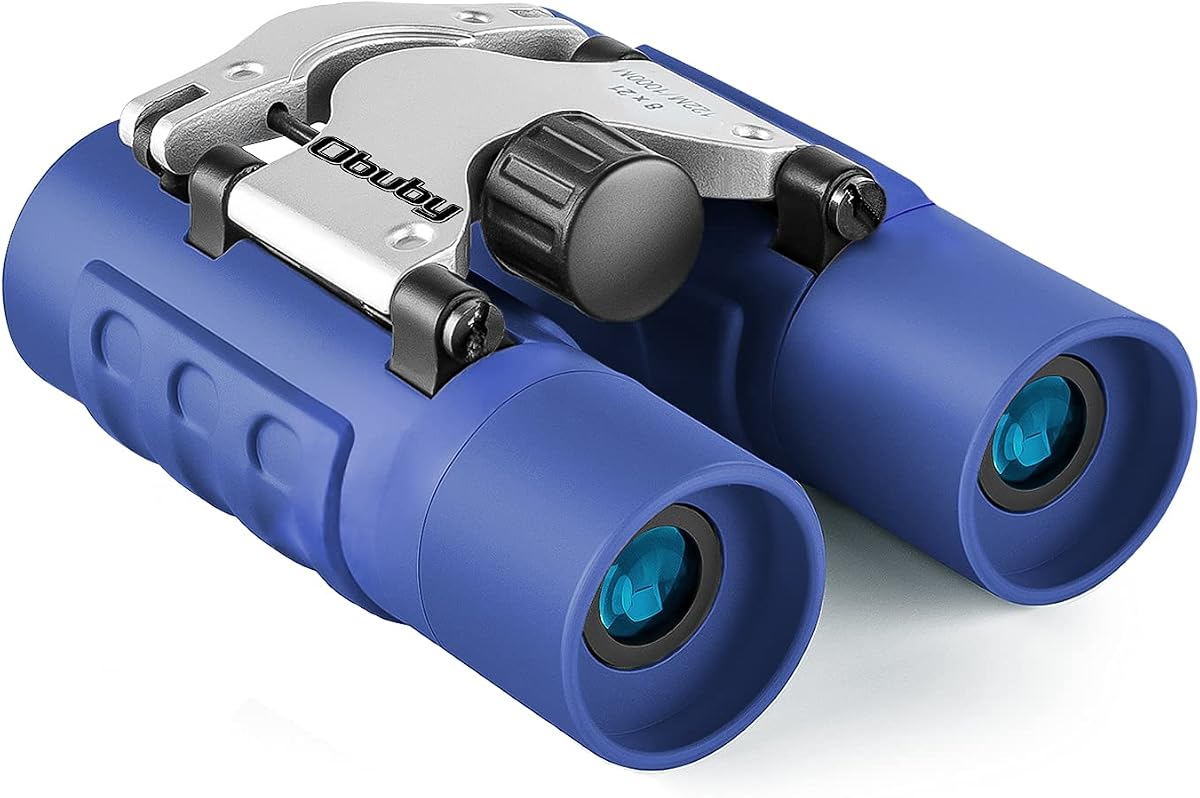
When shopping for a pair of binoculars for a child aged 3 to 12, like the 8x21 model, focus on durability, ease of use, and age-appropriate magnification. These compact binoculars are designed for bird watching, travel, and camping, but not all kid-friendly optics deliver clear, frustration-free views.
Key Considerations Before Buying
- Magnification and lens size: The 8x21 specification means 8x magnification with 21mm objective lenses—a good balance for kids, offering a wide field of view without excessive shaking or weight.
- Durability and safety: Look for rubber-armored bodies that can drops, plus eyepieces designed to prevent eye injury; this model’s toy-like construction may be lighter but less rugged than premium options.
- Focus mechanism: For children, a central focus wheel should be smooth and easy to turn, while some kid-specific binoculars use fixed focus to avoid confusion—check if this model’s focus is simple enough for your child.
What Our Analysts Recommend
Quality indicators include fully coated optics (to reduce glare and improve brightness), a sturdy hinge that holds alignment, and a comfortable interpupillary distance range. For kids' binoculars, also check that the exit pupil (about 2.6mm for 8x21) is sufficient for daytime use, and that the product includes a carrying case or strap for outdoor adventures.
Nature Exploration Toys Market Context
Market Overview
The nature exploration toy market has grown as parents seek screen-free outdoor activities for kids. Binoculars for children often compete with digital microscopes and bug-catching kits, but binoculars remain a classic tool for bird watching and travel, with many budget-friendly options flooding Amazon.
Common Issues
Common problems include misaligned optics that cause headaches, fragile plastic parts that break on first drop, and overly complex focus wheels that frustrate young users. Many low-cost models also exaggerate magnification or fail to provide clear images, leading to disappointment.
Quality Indicators
To identify quality, look for verified purchase reviews that mention specific use cases (e.g., 'used on a hike with my 5-year-old') and detailed feedback on image clarity. Products with a high percentage of 4-5 star reviews and consistent mentions of durability are more trustworthy.
Review Authenticity Insights
Grade A Interpretation
With an authenticity grade of A and an estimated fake review rate of just 5.00%, this product’s review pool is overwhelmingly genuine. This means the 13,695 reviews (though currently showing 0.00/5 rating, likely due to data lag) reflect real user experiences, not manipulated feedback.
Trust Recommendation
You can trust the overall sentiment from these reviews, but still focus on recent reviews and those with detailed usage stories. Since the fake rate is low, the product likely delivers on its basic promises, but cross-check for any recurring complaints about optical quality or breakage.
Tips for Reading Reviews
When reading reviews for kids' binoculars, prioritize those from parents who mention the child’s age and specific activities (e.g., 'used for bird watching at the park'). Ignore vague praise like 'great gift' and look for comments on focus ease, image sharpness, and how well the binoculars survived drops.
Expert Perspective
Based on the authenticity analysis and category context, these 8x21 binoculars appear to be a solid entry-level option for children aged 3-12, with genuine reviews backing their usability. The 8x21 spec is appropriate for daytime outdoor use, though it may struggle in low light. The product’s compact design suits travel and camping, but parents should temper expectations regarding optical precision compared to adult models. The high review count (13,695) suggests widespread adoption, but the 0.00 rating indicates a data anomaly—likely a placeholder—so rely on narrative reviews for insight.
Purchase Considerations
Weigh the low price point against potential durability concerns; if your child is rough on toys, consider investing in a slightly more rugged model. Also, ensure the focus mechanism is simple enough for your child’s age—fixed-focus models may be better for very young users.
Comparing Alternatives
Shoppers should compare with other kids' binoculars that offer rubber armor, wider objective lenses (e.g., 8x25), or adjustable eyepieces for glasses wearers, as these features can enhance the experience.


