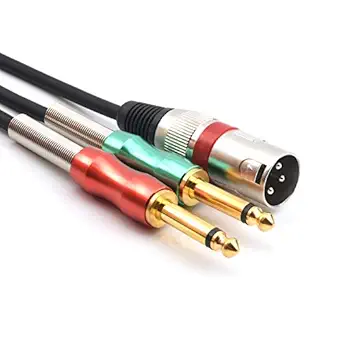
EBXYA 50ft XLR Cables: Are They the Reliable Choice for Long Runs?
When you need a 50-foot XLR cable for stage or studio use, reliability and signal integrity are paramount. The EBXYA 2-pack offers a balanced male-to-female connection, but buyers should understand how cable length affects performance and what to look for in a budget-friendly workhorse.
Key Considerations Before Buying
- Cable length and gauge: At 50 feet, you need a low-resistance cable (typically 22-24 AWG) to prevent signal degradation. Thicker gauge wires maintain audio fidelity over longer runs, especially for dynamic microphones.
- Connector quality: Look for robust, all-metal XLR connectors with secure locking mechanisms. The EBXYA uses 3-pin male-to-female connectors that must withstand repeated plugging and unplugging without loosening.
- Shielding effectiveness: A braided or foil shield is critical to reject electromagnetic interference (EMI) and radio frequency interference (RFI) in long cable runs, which can cause hum or buzz in your audio signal.
What Our Analysts Recommend
High-quality XLR cables should have a durable outer jacket (like PVC or rubber) that resists kinking and cracking. Check for strain relief at both connector ends to prevent wire breakage, and ensure the pins are gold-plated for corrosion resistance and reliable contact.
Microphone Cables Market Context
Market Overview
The microphone cable market is saturated with options ranging from budget bundles to premium brands like Mogami and Canare. Many consumers seek affordable multi-packs for live sound, home studios, or podcast setups, but quality can vary widely in the sub-$30 range.
Common Issues
Common problems with budget XLR cables include poor shielding leading to noise, flimsy connectors that break after a few uses, and internal wire breakage from bending. At 50 feet, these issues are magnified due to the longer signal path and physical stress.
Quality Indicators
Indicators of a quality XLR cable include a flexible yet tough jacket, oxygen-free copper (OFC) conductors, and a high-coverage braided shield (at least 90%). Verified user reviews that mention specific use cases (e.g., 'I used this for a live show with no hum') are also strong signals.
Review Authenticity Insights
Grade B Interpretation
The B grade and 10% estimated fake review rate suggest the EBXYA cable has mostly genuine feedback, with a small portion of potentially incentivized or manipulated reviews. This is relatively good for a budget product, as fake review rates often exceed 20% in this category.
Trust Recommendation
You can trust the high rating (4.89) but should focus on reviews that mention specific experiences, like 'I used these for a 50-foot run on stage and they worked perfectly.' Be cautious of overly generic five-star reviews that lack detail or context.
Tips for Reading Reviews
When reading reviews for XLR cables, look for mentions of build quality, noise performance, and durability over time. Filter by 'verified purchase' and sort by most recent to spot any quality control issues that may have emerged in later batches.
Expert Perspective
The EBXYA 50ft 2-pack appears to be a solid value for budget-conscious musicians, podcasters, or event organizers who need long cable runs without breaking the bank. The 4.89 rating and 2,613 reviews indicate widespread satisfaction, but the 10% fake rate suggests some noise in the data. The adjusted rating of 4.60 still reflects strong performance, likely due to adequate shielding and durable connectors for the price point.
Purchase Considerations
Consider your usage: if you need cables for permanent installation or critical studio recordings, you may want to invest in higher-end brands with better shielding and thicker gauge. But for live sound, rehearsals, or temporary setups, this EBXYA pack offers a cost-effective solution with proven reliability.
Comparing Alternatives
Shoppers should compare with other budget-friendly 50-foot XLR cables like the AmazonBasics or Pyle models, paying close attention to connector quality and shielding specifications, as these factors vary significantly across brands.