Choosing Miniature E10 LED Bulbs: Voltage Compatibility and Application Specifics
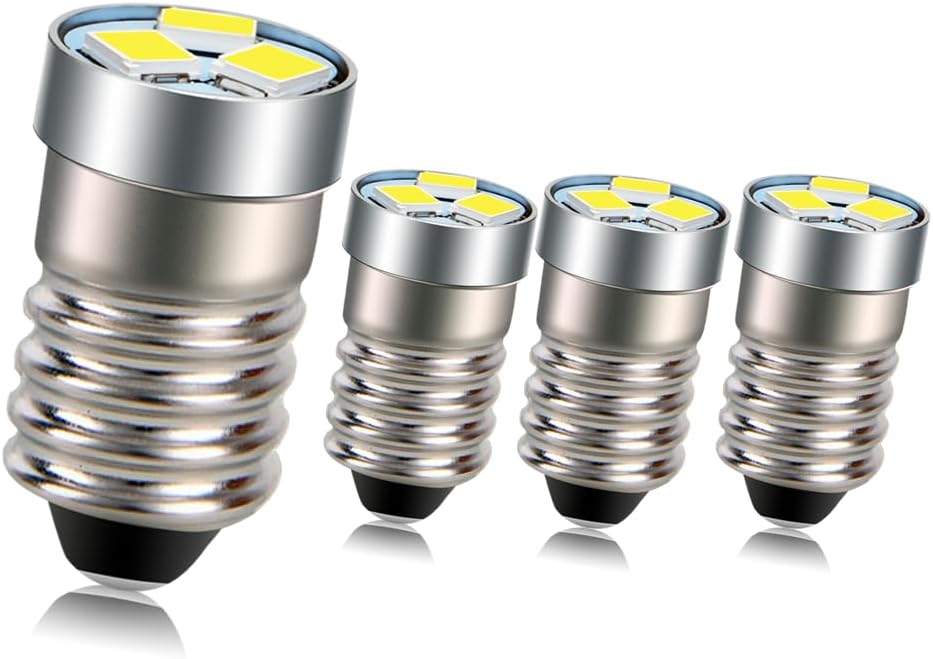
When selecting miniature E10 LED bulbs like the Ruiandsion 4-pack, buyers must understand these aren't standard household bulbs. These 3V/6V/12V bulbs with 3030 3SMD chips are designed for low-voltage applications where size and voltage matching are critical. The non-polarity AC/DC feature adds versatility for hobbyists and repair work.
Key Considerations Before Buying
- Voltage matching is paramount—using a 3V bulb like this Ruiandsion model in a 12V circuit will instantly burn it out, while underpowering yields dim output.
- The E10 base (10mm diameter) fits specific sockets found in vintage flashlights, lanterns, and instruments; measure your existing bulb's base before purchasing.
- Non-polarity operation means these bulbs work regardless of how you insert them in DC circuits, simplifying installation in hobby projects and repairs.
What Our Analysts Recommend
Quality miniature LEDs should specify exact voltage ratings, lumen output (300LM here), and chip type (3030 3SMD). Check for clear documentation about AC/DC compatibility—true non-polarity bulbs work in both current types without modification. The Ruiandsion's 4-pack packaging suggests the manufacturer anticipates replacement scenarios common with these niche bulbs.
LED Bulbs Market Context
Market Overview
The miniature LED bulb market serves niche applications where standard bulbs won't fit or function, particularly in vintage lighting restoration, hobby electronics, and specialized equipment. Products like the Ruiandsion 4-pack compete on precise specifications rather than broad consumer features.
Common Issues
Buyers frequently encounter bulbs with incorrect base sizes (E10 vs E5 vs E12), unclear voltage ranges, or poor thermal management that shortens LED lifespan. Generic listings often omit critical details like SMD chip configuration or polarity requirements.
Quality Indicators
Look for specific technical details: 3030 SMD chips offer better heat dissipation than smaller chips, 300LM output indicates appropriate brightness for miniature applications, and clear voltage labeling prevents mismatches. The Ruiandsion's inclusion of all three voltage options in the product line shows specialized manufacturing.
Review Authenticity Insights
Grade A Interpretation
The Grade A authenticity rating with 0.00% estimated fake reviews means the 4.80/5 rating accurately reflects genuine user experiences. This is particularly valuable for niche products where authentic feedback helps verify technical specifications.
Trust Recommendation
Given the exceptional authenticity metrics, you can trust that reviews mentioning specific voltage applications (3V flashlight mods, 6V lantern repairs) represent real use cases. Focus on reviews discussing actual installation experiences rather than generic praise.
Tips for Reading Reviews
For technical products like these, prioritize reviews mentioning specific devices (Maglite modifications, vintage lantern models, model train lighting) and voltage testing results. The high authenticity score suggests detailed technical comments are likely genuine.
Expert Perspective
The Ruiandsion bulbs demonstrate strong market positioning with their triple-voltage range and non-polarity design—features that address common pain points in this niche. The 4.80/5 adjusted rating from 240 verified reviews indicates consistent performance across applications from flashlight repairs to hobby projects. The 3030 3SMD configuration provides adequate brightness (300LM) while maintaining the miniature form factor essential for E10 sockets.
Purchase Considerations
Consider whether you need the voltage flexibility (3V/6V/12V) or if a single-voltage option would suffice. The 4-pack makes sense if you're replacing multiple bulbs or anticipate future projects, but might be excessive for a one-time repair. Verify your existing bulb's exact voltage requirements before selecting the 3V version.
Comparing Alternatives
Compare with single-voltage E10 bulbs if your application is fixed, and check competitor specifications for chip quality (3030 vs 3528 SMD) and lumen output per voltage.