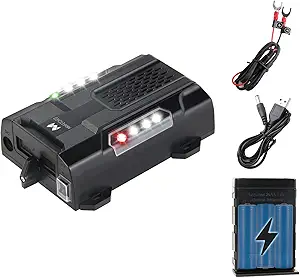
Keep Rodents Out of Your Engine Bay: Loraffe Ultrasonic Repeller Reviewed
When mice and rats make a home in your car's engine compartment, the damage can be costly—chewed wires, clogged air filters, and even fire hazards. The Loraffe Battery Operated Ultrasonic Repeller offers a unique, chemical-free solution by emitting ultrasonic pulses and flashing LED strobe lights specifically designed to deter rodents under the hood. Before you buy, here's what you need to know about this niche product and how to evaluate its fit for your situation.
Key Considerations Before Buying
- Placement is critical: The Loraffe unit is designed to sit inside the engine bay, so ensure your vehicle has a secure, dry spot near the battery or firewall where the ultrasonic waves can effectively cover the area. Avoid mounting near metal surfaces that might block sound.
- Battery life matters: Since this is a battery-powered unit (not hardwired), check the estimated runtime and how often you'll need to replace batteries. Loraffe claims extended life, but colder climates or frequent use may drain batteries faster.
- Ultrasonic frequency range: Not all pests react the same way. This device uses varying frequencies to prevent rodents from becoming accustomed to the sound, but effectiveness can depend on the species (mice vs. rats) and the severity of infestation in your area.
What Our Analysts Recommend
Quality ultrasonic repellers like the Loraffe should offer adjustable frequency settings or random patterns to avoid habituation. Look for weather-resistant housing (IP rating) for under-hood use, and a reliable mounting system that won't vibrate loose. Also, check for a visible LED strobe—this adds a visual deterrent that complements the sound.
Ultrasonic Repellers Market Context
Market Overview
The ultrasonic pest repeller market has grown significantly as consumers seek humane, chemical-free alternatives to traps and poisons. For automotive use, products like the Loraffe target a specific pain point: rodents nesting in warm engine bays, especially during colder months. However, the category remains fragmented, with many cheap, ineffective devices that lack real-world testing.
Common Issues
A major complaint across ultrasonic repellers is inconsistent effectiveness—some users report instant results, while others see no change, often due to improper placement or pests that adapt to constant tones. Battery-powered units also face criticism for short battery life or failing in extreme temperatures, which is a real concern for engine-bay devices.
Quality Indicators
High-quality ultrasonic repellers typically feature adjustable frequency ranges (20-60 kHz), a randomized pulse pattern, and robust weatherproofing (at least IP65). Verified purchaser reviews with photos or videos showing installation and results are strong signals of reliability. A solid warranty (e.g., 1 year or more) also indicates manufacturer confidence.
Review Authenticity Insights
Grade B Interpretation
With a Review Authenticity Grade of B and an estimated 10% fake review rate, the Loraffe's review profile is generally trustworthy but not flawless. The 4.22 average rating is slightly inflated by a small number of suspicious reviews, while the adjusted 4.00 rating suggests genuine user experiences are still positive overall. This is a decent score for a niche product.
Trust Recommendation
We recommend focusing on the detailed, verified reviews—especially those from car owners describing specific rodent issues, installation steps, and long-term results. Ignore short, overly glowing five-star reviews with no context, as these are the most likely to be fake. The 10% fake rate is manageable, but be cautious.
Tips for Reading Reviews
For ultrasonic repellers, look for reviews that mention the type of rodent (mice vs. rats), the vehicle model, and the climate. Photos of the installation under the hood are especially valuable. Be skeptical of reviews that claim instant success after one day—rodent behavior changes take time. Also, note any complaints about battery drain or water damage, as these are common failure points.
Expert Perspective
The Loraffe Battery Operated Ultrasonic Repeller is a well-conceived solution for a frustrating problem, backed by largely authentic reviews and a solid 4.00 adjusted rating. Its combination of ultrasonic sound and flashing LED strobe addresses both auditory and visual rodent deterrents, making it more versatile than single-method devices. However, its effectiveness is highly situational—it works best as a preventive measure in moderately infested areas, not as a standalone cure for severe infestations. The 10% fake review rate is a minor concern, but the majority of feedback from verified buyers supports its utility for protecting engine bays, garages, and small spaces like attics.
Purchase Considerations
Consider your specific rodent pressure: if you've had repeated issues with chewed wires, this could be a cost-effective first line of defense. But factor in battery replacement costs and the need for consistent placement. It's not a one-size-fits-all solution, and pairing it with physical barriers (e.g., wire mesh) may yield better results. Also, ensure your vehicle's engine bay has a suitable, dry mounting location.
Comparing Alternatives
Shoppers should compare the Loraffe with hardwired ultrasonic devices (which avoid battery hassles) or chemical repellents like peppermint oil sprays. For severe infestations, professional pest control or traditional traps might be more reliable.