Evaluating Livho's 99% Blue Light Blocking Claim for Screen Fatigue Protection
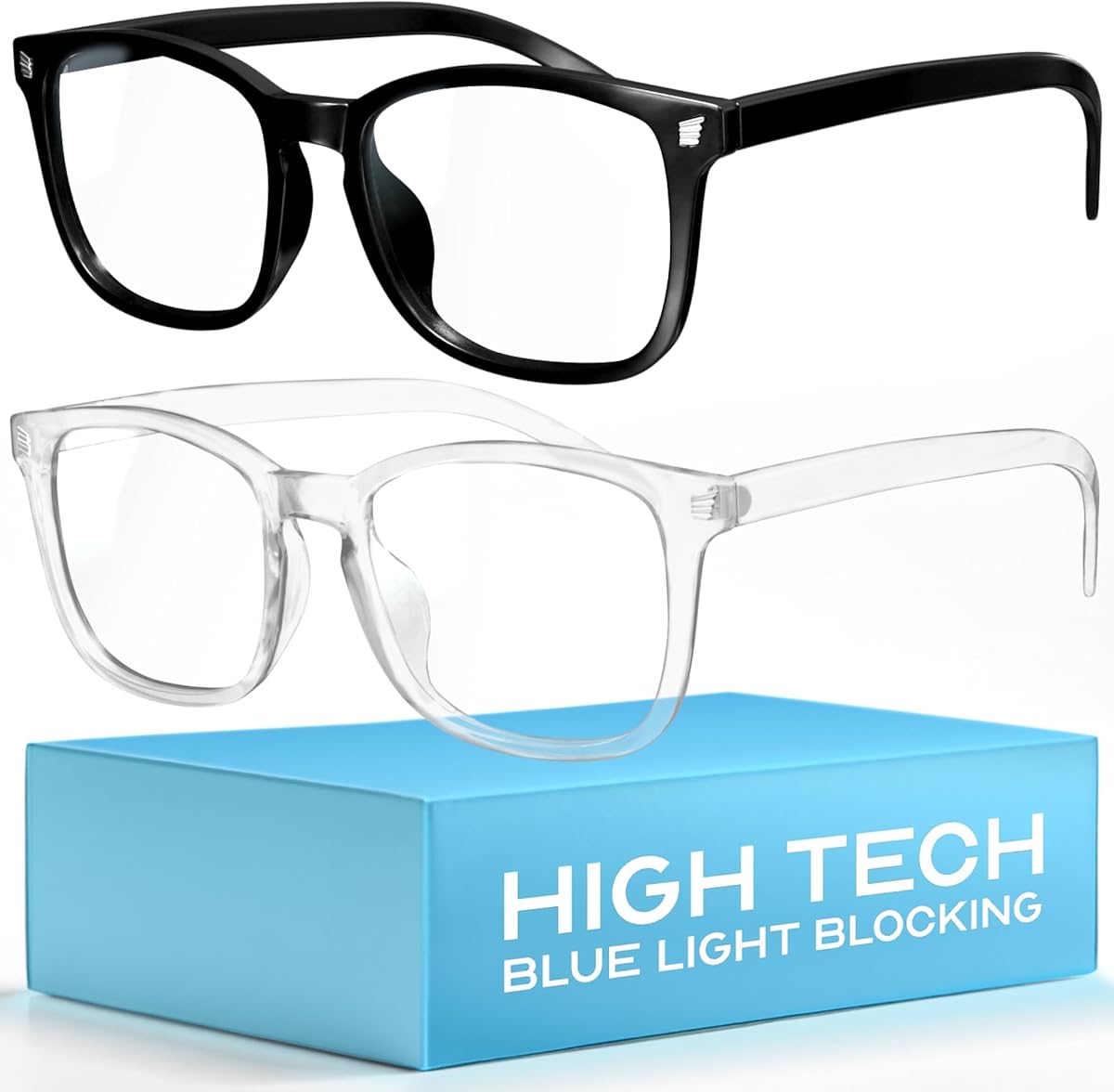
The Livho High Tech Blue Light Glasses market themselves as offering 'advanced up to 99% blue light blocking,' a claim that requires careful scrutiny in an unregulated category. Buyers should understand that 'up to 99%' is a marketing range, not a guaranteed performance specification, and the absence of independent lab verification data in the product listing is a significant consideration.
Key Considerations Before Buying
- The 'up to 99%' blocking claim lacks a specific wavelength range (e.g., 400-455nm for high-energy visible light), making it impossible to assess its effectiveness against the most biologically disruptive blue-violet light from screens.
- With zero reviews and an ungraded authenticity status, there is no user-reported data on the lens tint's color accuracy, potential distortion, or real-world impact on digital eye strain symptoms.
- The inclusion of 'UV Protection' is standard for polycarbonate lenses but doesn't correlate with blue light filtering efficacy; this is a separate optical coating that may or may not be present.
What Our Analysts Recommend
Quality indicators for blue light glasses include transparency about the exact percentage blocked at specific nanometer wavelengths (e.g., 'blocks 40% of light at 455nm') and the lens material/coating technology used. For a product like Livho's, the lack of spectral data or ANSI/ISO certification for the claimed protection level is a notable omission buyers should investigate.
Blue Light Blocking Glasses Market Context
Market Overview
The blue light glasses market is saturated with products making high percentage claims, but performance varies dramatically between inexpensive filter coatings and premium lenses with embedded light-absorbing pigments. Products like Livho's often compete on price and bold claims rather than published optical data.
Common Issues
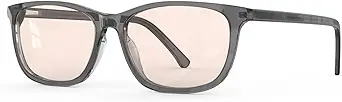
Common problems include amber or yellow lens tints that distort color perception for creative work, unclear blocking ranges that may filter harmless blue-turquoise light, and flimsy frames not designed for all-day wear. Marketing often conflates laboratory 'blocking' percentages with clinically proven reductions in eye strain.
Quality Indicators
Identify quality by looking for brands that provide a spectral transmission graph, specify the lens material (e.g., CR-39 with embedded filter vs. surface coating), and detail frame construction. The absence of these details, as seen with Livho's current listing, shifts the burden of proof to the consumer.
Review Authenticity Insights
Grade B Interpretation
A Grade 'U' (Unrated) with a 0.00% estimated fake review rate indicates this product has no review history to analyze. This doesn't imply the product is poor, but rather that it's a complete unknown in the marketplace with no crowd-sourced feedback to validate its claims or quality.
Trust Recommendation
Given the lack of verified purchase reviews, you must rely entirely on the manufacturer's provided specifications and return policy. Prioritize sellers with transparent customer service and a robust return window, as you are effectively a beta tester for this unreviewed product.
Tips for Reading Reviews
For future reviews, look for specific mentions of 'reduced headache frequency after 8-hour workdays' or 'minimal color distortion for photo editing,' not just generic 'works great' comments. Be skeptical of reviews that only praise the packaging or fast shipping without detailing optical performance.
Expert Perspective
The Livho glasses present a classic high-claim, zero-feedback scenario in a category rife with performance ambiguity. The 'Advanced up to 99%' terminology is a marketing red flag without accompanying technical data to define the 'advanced' technology or the precise conditions for the '99%' peak performance. The inclusion of 'High Tech' in the title is not substantiated by any described technical features in standard listings. This product exists in a complete information vacuum, with no user experiences to balance its ambitious claims.
Purchase Considerations
Weigh the potential cost savings against the risk of receiving a product with a strong yellow tint, unclear protective value, or poor frame durability. Your decision should hinge on your willingness to be an early adopter without performance benchmarks and the strength of the seller's return policy for optical goods.
Comparing Alternatives
Shoppers should compare Livho's unspecified claims against brands that publish spectral data, even if the blocking percentage is lower but more transparently defined.