Navigating Retinoid Acne Gels: What Makes Differin's 0.1% Adapalene Formula Distinct
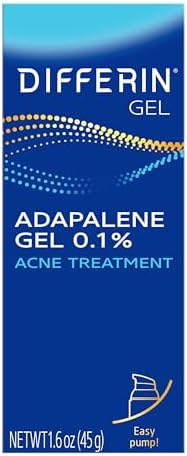
When evaluating Differin's 90-day acne gel, you're considering a specific class of topical retinoid available over-the-counter. Unlike generic acne spot treatments, this 0.1% adapalene formula works as a cellular regulator, requiring consistent application over weeks to normalize skin cell turnover and prevent clogged pores. The pump dispenser and 45g size indicate a maintenance-focused regimen rather than occasional use.
Key Considerations Before Buying
- This gel's 0.1% adapalene concentration is FDA-approved for acne but requires a 4-12 week adjustment period where skin may initially appear worse—a process called 'purging' that's specific to retinoids.
- The 'gentle for sensitive skin' claim refers to adapalene's molecular structure being less irritating than some prescription retinoids, but it still demands careful moisture barrier support through non-comedogenic moisturizers.
- The 90-day supply (45g) suggests using approximately 0.5g daily; the pump format helps with precise dosing but varies in packaging, which could affect dispensing consistency.
What Our Analysts Recommend
Quality in retinoid gels hinges on formulation stability—adapalene degrades in sunlight, so opaque packaging like Differin's tube is essential. Effective gels should have a lightweight, non-greasy texture that absorbs completely, as heavier bases can counteract the pore-clearing mechanism. Look for products that specify concentration (0.1% here) rather than vague 'retinoid complex' claims.
Gels Market Context
Market Overview
The OTC acne gel market has transformed since Differin's 2016 switch from prescription-only, creating a bridge between basic salicylic acid treatments and prescription retinoids. Current competition includes adapalene generics and newer bakuchiol-based alternatives, but Differin maintains brand recognition for its specific clinical history in treating inflammatory and comedonal acne.
Common Issues
Users often mistake the initial 'retinization' period—characterized by dryness, peeling, and increased breakouts—for product failure, abandoning treatment before the 12-week efficacy window. Another frequent problem is combining adapalene gels with other actives like benzoyl peroxide or physical scrubs, which compromises skin barrier function and increases irritation.
Quality Indicators
Superior acne gels maintain pH stability (adapalene works best around pH 5.5-6.5) and use penetration enhancers that don't compromise skin barrier integrity. The vehicle formulation matters as much as the active ingredient; Differin's gel base is designed to deliver adapalene without occlusive ingredients that could trigger additional breakouts.
Review Authenticity Insights
Grade B Interpretation
A Grade B authenticity rating with 11% estimated fake reviews indicates predominantly genuine feedback, though approximately 1 in 10 reviews may be artificially positive. For this specific product, the 0.3-point drop from the displayed 4.33 to adjusted 4.10 rating suggests some review inflation around the five-star ratings.
Trust Recommendation
Focus on verified purchase reviews that detail multi-month usage timelines, as authentic Differin experiences require describing the 'purging' phase and subsequent improvement. Be skeptical of reviews claiming overnight results or no irritation, as these contradict adapalene's known mechanism of action.
Tips for Reading Reviews
Prioritize reviews mentioning specific acne types (cystic, hormonal, comedonal) and concurrent skincare routines, as Differin's effectiveness varies by acne etiology. Look for balanced perspectives that acknowledge both the challenging adjustment period and long-term benefits, which align with genuine retinoid experiences.
Expert Perspective
Differin's 0.1% adapalene gel represents a clinically validated middle ground in acne treatment—stronger than traditional OTC ingredients but with better irritation profiles than prescription tretinoin. The 4.10 adjusted rating from nearly 10,000 reviews suggests consistent real-world effectiveness, though the 11% fake review rate indicates some artificial enthusiasm. The product's value lies in its predictable action on microcomedones (the precursors to acne), making it particularly effective for persistent, non-inflammatory breakouts that don't respond to surface-level treatments.
Purchase Considerations
This product warrants consideration if you have moderate acne and commitment to a 90-day regimen with potential initial worsening. It's less suitable for those seeking immediate spot treatment or with extremely reactive rosacea-prone skin. The pump format offers hygiene advantages over jar packaging but check recent reviews for consistency complaints given the 'packaging may vary' disclaimer.
Comparing Alternatives
Compare with La Roche-Posay Effaclar Adapalene Gel (same active, different vehicle) and prescription-strength options if your acne is severe or unresponsive after 12 weeks.