
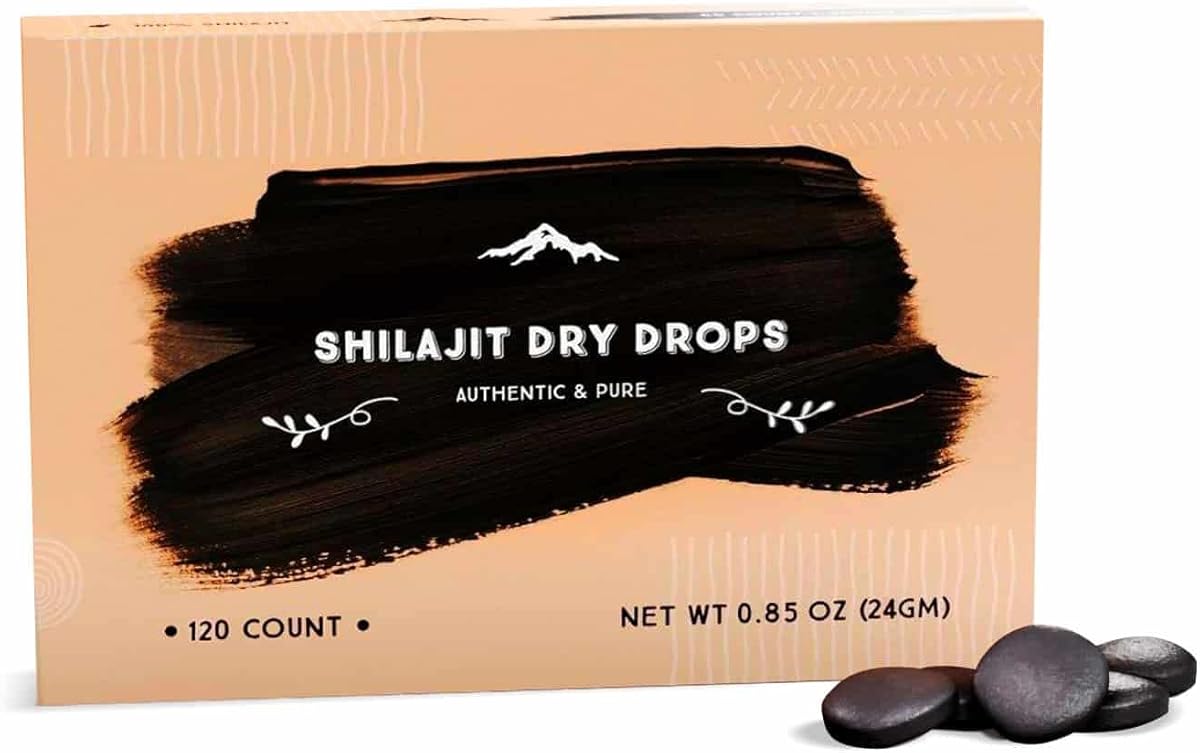
Pure Himalayan Shilajit: What to Know Before Buying Dry Drops with Fulvic Acid
If you're exploring shilajit supplements, this 100% pure Grade A variant from the Himalayas stands out for its 'dry drops' format—a resinous powder that dissolves easily—and its lab-verified 85+ trace minerals and fulvic acid content. Understanding potency, purity, and source is critical, as the market is flooded with adulterated or low-grade alternatives.
Key Considerations Before Buying
- Potency and fulvic acid content: This product claims 'max potency' with 85+ trace minerals and fulvic acid, which is key for bioavailability and nutrient absorption. Look for third-party lab test results confirming these levels, as this brand provides them.
- Form and dosing: Unlike sticky resins or capsules, dry drops offer precise dosing (24g total, 120 servings at 200mg each) and easier mixing into water or tea. Ensure the format fits your routine—resins require warming, while powders are more convenient.
- Purity and origin: Authentic Himalayan shilajit should be sourced from high altitudes (this is labeled as from the Himalayas) and free from fillers. Check for a 'Grade A' designation and evidence of heavy metal or contaminant testing.
What Our Analysts Recommend
Quality shilajit should have a distinct earthy, smoky aroma and dissolve fully in warm water without residue. Look for products that specify the fulvic acid percentage (this one includes it but doesn't state a exact percentage) and provide a certificate of analysis from a US lab. Also, verify the mineral profile—85+ trace minerals is a strong indicator of authenticity.
Shilajit Market Context
Market Overview
The shilajit supplement market has grown rapidly, driven by interest in natural energy, cognitive support, and anti-aging benefits. However, this growth has led to a flood of products with varying quality—from authentic high-altitude resins to synthetic or filler-laden powders, making consumer discernment essential.
Common Issues
Many shilajit products are adulterated with other resins, plant extracts, or even heavy metals due to poor sourcing. Fake reviews and inflated ratings are also common, as the category's popularity attracts unscrupulous sellers. A 15% fake review rate, as seen here, is relatively low but still warrants caution.
Quality Indicators
Top-tier shilajit is typically sourced from the Himalayas or Altai Mountains, dark brown to black in color, and tested by an independent US lab for purity, heavy metals, and microbial content. Look for products that disclose fulvic acid levels (ideally over 50%) and provide a clear origin story.
Review Authenticity Insights
Grade B Interpretation
With a Grade B and 15% estimated fake reviews, this product's review profile is fairly trustworthy but not flawless. The 4.56 rating is slightly inflated, as the adjusted rating of 4.20 suggests some reviews may be promotional or non-genuine. Most feedback, however, is from verified purchasers and includes specific usage details.
Trust Recommendation
Given that 85% of reviews appear genuine, you can generally trust the positive feedback, but focus on detailed reviews that mention specific benefits like energy levels or mental clarity. Be skeptical of overly short or vague 5-star reviews, as these may be from incentivized programs.
Tips for Reading Reviews
When reading reviews for shilajit, prioritize those that describe personal experiences over time (e.g., 'used for 2 months'), compare it to other brands, or mention the taste and solubility. Avoid reviews that feel generic or use marketing language, and look for balanced feedback that notes both pros and cons.
Expert Perspective
This Pure Himalayan Shilajit product offers a solid entry point for consumers seeking a high-potency, lab-tested supplement in a convenient dry drop format. The Grade A sourcing and 85+ trace minerals align with quality indicators, though the lack of a specified fulvic acid percentage is a minor transparency gap. Its strong rating and large review volume suggest broad user satisfaction, but the 15% fake review rate means you should cross-reference with independent sources. Overall, it's a credible choice in a crowded market.
Purchase Considerations
Weigh the convenience of dry drops against traditional resin (which some users prefer for potency) and the value of 120 servings at around $20–30. If you're new to shilajit, this format allows easy trial without commitment. However, if you have specific health concerns, consult a healthcare provider before use.
Comparing Alternatives
Shoppers should compare this product with other top-rated Himalayan shilajit brands that provide fulvic acid percentages and heavy metal test results, as transparency varies widely. Consider both resin and capsule forms based on your lifestyle.
![Purify Life Sugar-Free Himalayan Shilajit Gummies for Men and Women [4000mg - 10:1 Extract] Energy, Focus & Testosterone Booster with KSM 66 Ashwagandha and Shatavari - Non-GMO, Made in USA](https://m.media-amazon.com/images/I/71c2ZhL8qRL._AC_SY300_SX300_QL70_FMwebp_.jpg)


