Compact Dryers for Standard Outlets: What Apartment Dwellers Need to Know
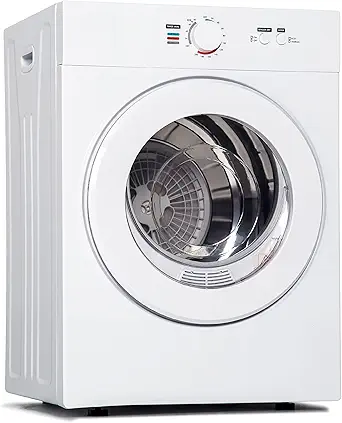
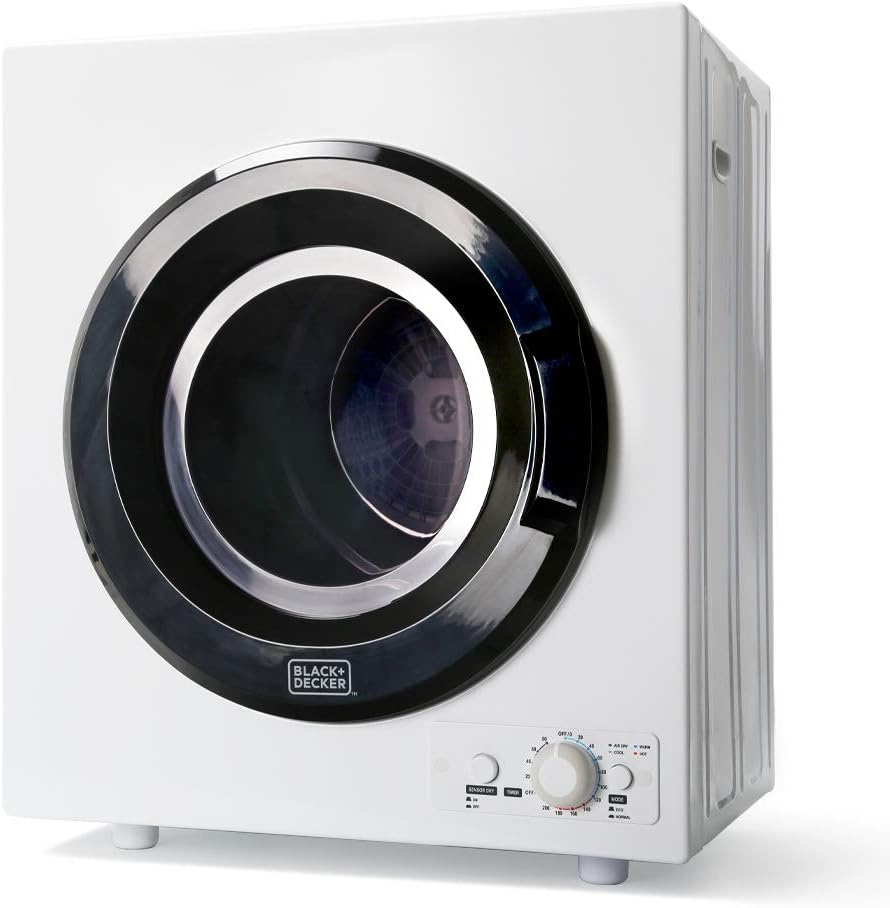
The BLACK+DECKER BCED37 targets renters and space-constrained homeowners who need drying capability without 240V electrical access. This specific model's 13.2 lb. capacity and four drying modes offer flexibility, but its compact size requires realistic expectations about load sizes and drying times compared to full-sized vented units.
Key Considerations Before Buying
- Electrical requirements are critical: this dryer's main advantage is operating on a standard 120V/15A household outlet, eliminating the need for costly 240V installation typical of conventional dryers.
- Capacity versus practicality: while rated for 13.2 lbs., optimal performance often comes with smaller, well-separated loads to ensure proper airflow in the compact drum.
- Drying technology matters: as a condenser dryer, it extracts moisture into a water tank, requiring regular emptying and operating best in moderate ambient temperatures.
What Our Analysts Recommend
For compact dryers, examine cycle variety—this model's four modes (including a refresh cycle) indicate versatility. Check tank capacity and ease of access; the BCED37's front-positioned tank needs monitoring during long cycles. Build quality around the lint filter system is crucial for maintenance and airflow efficiency.
Dryers Market Context
Market Overview
The compact dryer market has expanded significantly as urban living and accessory dwelling units increase, with models split between vented, condenser, and heat pump technologies. BLACK+DECKER positions this as an entry-point condenser model competing with Magic Chef and Costway alternatives in the sub-$400 range.
Common Issues
Users frequently report longer drying times (90+ minutes for medium loads) and sensitivity to ambient room temperature affecting condenser efficiency. Lint management in compact units requires more frequent cleaning than standard dryers due to smaller filter surfaces.
Quality Indicators
Look for robust drum construction (stainless steel preferred), intuitive moisture sensors versus simple timers, and accessible drainage options. The BCED37's manual moisture selector offers basic control but lacks the precision of sensor-drying found in premium compacts.
Review Authenticity Insights
Grade B Interpretation
A Grade B with 10% estimated fake reviews suggests generally reliable feedback with minor manipulation. The 0.26-point drop from the displayed 4.56 to adjusted 4.30 rating indicates some review inflation, but the substantial authentic review base provides trustworthy performance data.
Trust Recommendation
Focus on reviews discussing specific usage scenarios like small apartment drying, RV use, or supplemental drying needs—these demonstrate genuine ownership. Be slightly skeptical of reviews claiming 'dries as fast as a regular dryer' without qualifying load size or fabric type.
Tips for Reading Reviews
Prioritize reviews mentioning long-term use (6+ months) to assess durability of the condenser system and plastic components. Look for detailed comments about water tank emptying frequency and noise levels during the spin cycle, as these are authentic pain points.
Expert Perspective
The BCED37 represents a competent solution for its niche: users requiring electric drying where venting or 240V power isn't feasible. Its adjusted 4.30 rating from 2,600+ reviews indicates solid satisfaction given the technology's inherent limitations. The four-mode flexibility addresses different fabric types reasonably well, though the lack of a true low-heat delicate cycle may concern some users. Performance aligns with expectations for a condenser dryer in this price segment—adequate for small, frequent loads rather than bulk drying.
Purchase Considerations
Weigh your space constraints against drying patience; this dryer excels as a secondary unit or for singles/couples but struggles with family-sized laundry volumes. Consider your climate—condenser efficiency drops in humid environments, potentially extending dry times. The standard outlet operation is its primary advantage over more powerful but installation-heavy alternatives.
Comparing Alternatives
Compare with vented compact models if you have window/vent access, and heat pump dryers if energy efficiency outweighs higher upfront cost.