How to Choose a Reliable LG LT1000P Water Filter for Your Fridge
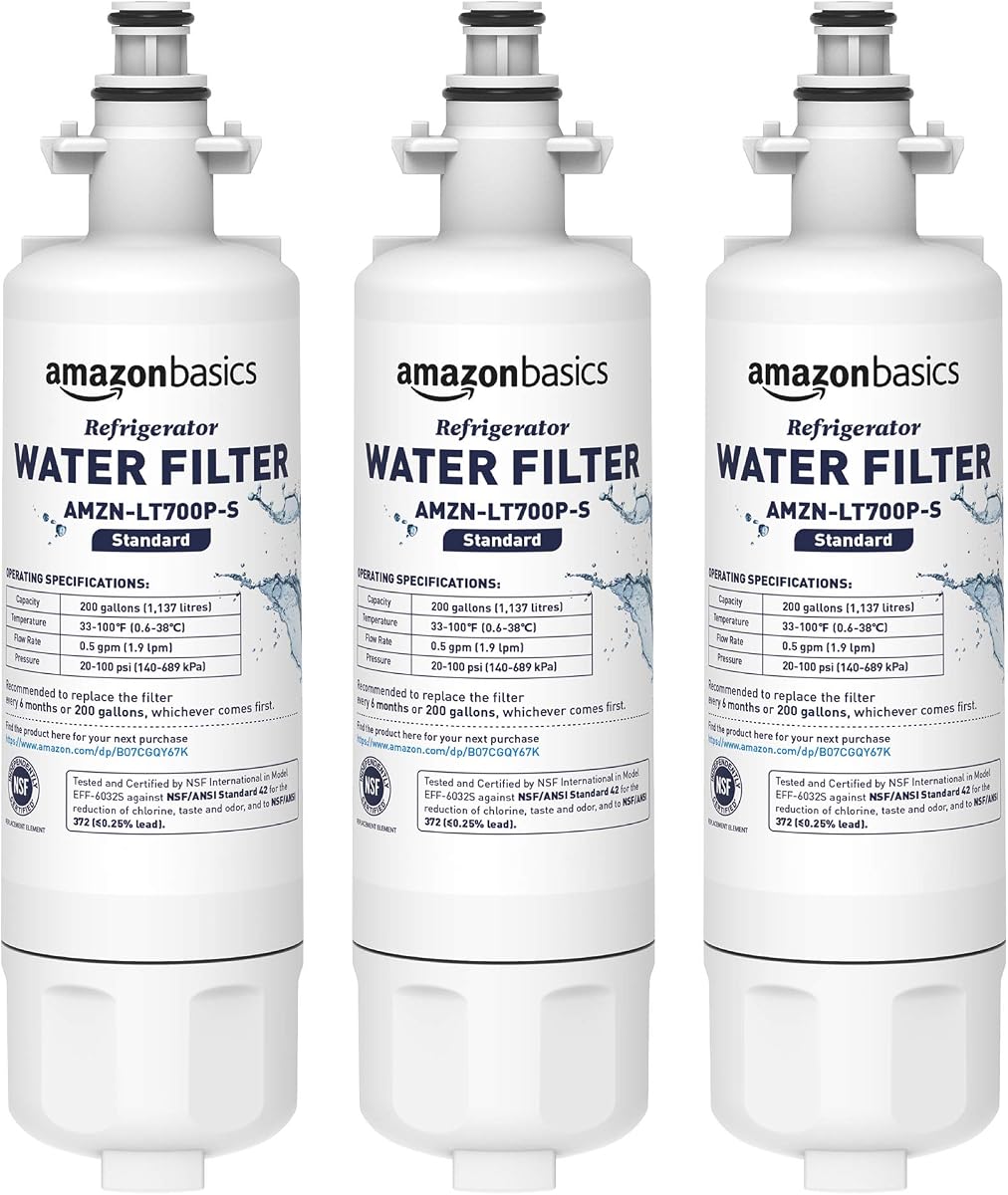
When shopping for a replacement LG LT1000P water filter, you want a product that effectively reduces contaminants like chlorine without breaking the bank. The Amazon Basics 3-pack offers a budget-friendly option, but as our analysis shows, it's crucial to weigh factors like installation ease and flow rate against genuine OEM performance.
Key Considerations Before Buying
- Check for NSF certification, which this filter has, to ensure it meets standards for reducing chlorine, taste, and odor—but verify it covers specific contaminants you care about, such as lead or mercury.
- Consider the cost per filter: the 3-pack provides savings, but some users report fit issues or reduced water flow compared to LG-branded filters, so read reviews for real-world feedback on compatibility with your refrigerator model.
- Look at the filter's lifespan: typically 6 months or 300 gallons, but water quality in your area may shorten this—monitor for changes in taste or pressure to know when to replace.
What Our Analysts Recommend
Quality indicators include NSF certification (which this filter has), a secure seal to prevent leaks, and consistent water flow. Also, check the filter's micron rating—this one likely removes particles down to 0.5 microns, but confirm for your needs. User reviews mentioning longevity and taste improvement are strong signals.
Water Filters Market Context
Market Overview
The refrigerator water filter market is crowded with OEM and third-party options, with Amazon Basics competing on price. Many consumers seek affordable alternatives to name-brand filters, but performance and fit can vary widely, making reviews critical for decision-making.
Common Issues
Common problems include filters that don't fit snugly, causing leaks or reduced water flow, and filters that don't reduce contaminants as claimed. Some users also report short lifespans or a decrease in water quality over time, so monitoring is key.
Quality Indicators
Look for certifications from NSF or WQA, which test for specific contaminant reduction. Also, check the filter's construction—quality units have sturdy housings and rubber gaskets. Consistent positive reviews about taste and install ease are good signs.
Review Authenticity Insights
Grade B Interpretation
With a B grade and 10% estimated fake reviews, this product has a moderate authenticity concern. While most reviews are genuine, a tenth may be unreliable, so focus on verified purchase reviews with detailed feedback on performance and installation.
Trust Recommendation
We recommend trusting reviews from verified purchasers, especially those with specific model numbers and photos. The overall 4.11 rating is slightly inflated, but the adjusted 3.90 is still solid—just be cautious of overly positive or vague reviews.
Tips for Reading Reviews
For water filters, look for reviews that mention installation difficulty, water flow rate, and taste changes over time. Cross-check negative reviews for common issues like leaks or poor fit, as these are more likely genuine. Ignore reviews that lack specifics or seem promotional.
Expert Perspective
The Amazon Basics LG LT1000P 3-pack offers good value for cost-conscious shoppers, especially given its NSF certification and solid 3.90 adjusted rating. However, the 10% fake review rate and some user reports of fit issues suggest it's not a perfect replacement for OEM filters. For most households, it's a reliable choice if you confirm compatibility with your fridge model and monitor performance.
Purchase Considerations
Weigh the lower price against potential risks like reduced flow or leaks. If you have a newer LG refrigerator, consider OEM for guaranteed fit; but for older models, this 3-pack can be a smart budget option. Also, factor in your water quality—if you need to reduce lead or cysts, check the filter's specific NSF certification.
Comparing Alternatives
Shoppers should compare this with other third-party LT1000P filters (like Waterdrop or ClearWater) and LG's official filters, focusing on certified contaminant reduction and user-reported reliability.