
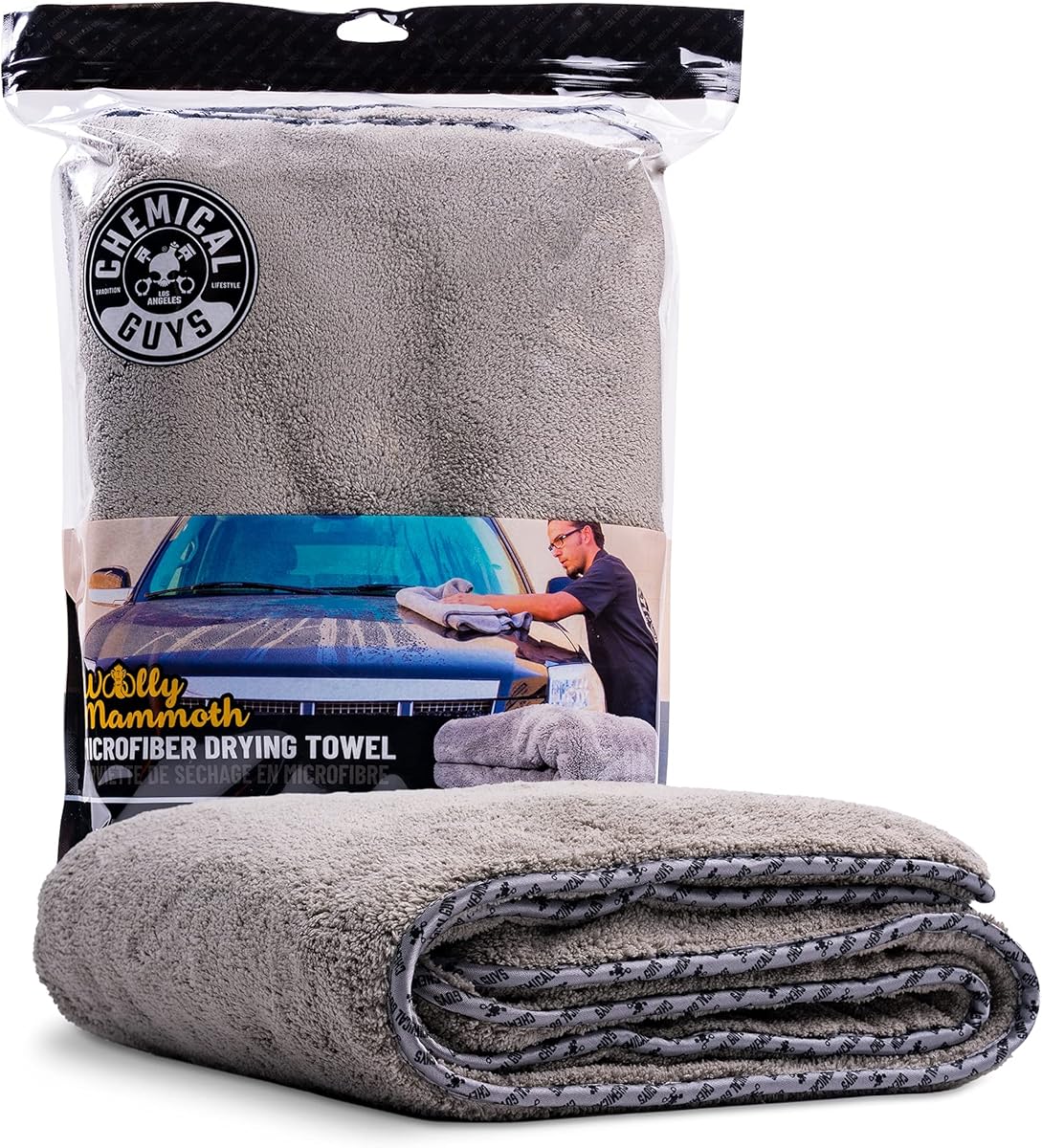
Choosing a Professional-Grade Drying Towel: What the Woolly Mammoth Gets Right
When selecting a premium drying towel like the Chemical Guys Woolly Mammoth, focus on its 36x25 inch dimensions and ultra-plush 70/30 blend construction. This specific combination of size and material composition determines whether it can handle a full vehicle without wringing or leaving micro-scratches on clear coats.
Key Considerations Before Buying
- The 36x25 inch size is optimal for SUVs and trucks, but verify your vehicle's surface area; smaller cars might find this towel cumbersome during final buffing.
- A true 70/30 polyester/polyamide blend, like this towel's construction, provides superior water-lofting capacity compared to cheaper 80/20 blends that merely push water around.
- The gray color specifically hides staining from brake dust or embedded contaminants better than traditional yellow or blue towels, indicating when it needs a deep clean.
What Our Analysts Recommend
Examine the GSM (grams per square meter) density—the Woolly Mammoth's high GSM creates its plush nap, which traps water instead of smearing it. Quality towels maintain consistent edging without loose threads that can scratch paint, a detail noted in numerous authentic reviews of this product.
Microfiber Market Context
Market Overview
The premium microfiber drying towel segment is crowded with claims of 'super absorbency,' but genuine performance hinges on fiber split-rate and blend ratios, not just marketing. Products like the Woolly Mammoth compete directly with brands like The Rag Company's Gauntlet and Griot's Garage PFM towels.
Common Issues
Many towels suffer from fiber degradation after improper washing with fabric softeners, or they feature inadequate stitching that fails after heavy wringing. Lower-quality microfibers also release lint onto black paint, a frequent complaint avoided by higher-grade blends.
Quality Indicators
Authentic high-end towels specify GSM weight (often 1200+ for drying), have serged or laser-cut edges to prevent fraying, and come with washing instructions to preserve the fiber's split ends, which are crucial for capillary action.
Review Authenticity Insights
Grade B Interpretation
A Grade B with an 11% estimated fake review rate suggests the Woolly Mammoth's 4.89 rating is slightly inflated but still reflects overwhelmingly positive genuine experiences. This level indicates moderate but not excessive review manipulation, common for established brands in competitive categories.
Trust Recommendation
Focus on the 4.60 adjusted rating from verified analysis, which remains exceptional for automotive detailing tools. Pay particular attention to reviews discussing long-term durability over 6+ months and performance on specific paint types (ceramic coatings, matte finishes).
Tips for Reading Reviews
Seek out reviews that mention the towel's performance after multiple wash cycles or compare its absorbency to other brands—these specifics indicate hands-on use. Be skeptical of reviews that only praise packaging or use vague superlatives without detailing the drying process.
Expert Perspective
The Woolly Mammoth's consistently high authentic ratings stem from its deliberate design choices: the large format reduces stroke count on big vehicles, and the dense pile minimizes drag on delicate clear coats. Its performance aligns with professional detailer expectations for a towel that can dry a mid-size SUV without wringing. The slight rating adjustment from 4.89 to 4.60 is normal in this review-volatile category and still places it in the top tier of consumer-available drying tools.
Purchase Considerations
Weigh the premium price against the towel's longevity and the cost of water spots from inferior drying. For owners of multiple vehicles or those performing weekly washes, this towel's efficiency justifies investment, while casual washers might find smaller options more cost-effective.
Comparing Alternatives
Shoppers should compare the Mammoth's size and GSM to similar-priced towels, noting that some competitors offer dual-pile designs for different drying stages.


