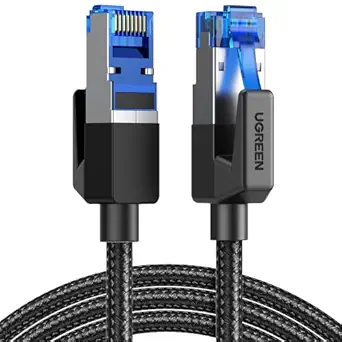
Cat8 Ethernet Cable Buying Guide: Speed, Shielding, and Length Choices
When shopping for a high-speed Ethernet cable like the DDMALL CAT8, you're investing in future-proofed networking capable of up to 40 Gbps. This shielded, weatherproof cable is designed for both indoor and outdoor use, making it ideal for gamers, streamers, and home office setups needing reliable, low-latency connections.
Key Considerations Before Buying
- Length selection is critical: the DDMALL offers sizes from 1.5ft to 100ft, so measure your exact run to avoid signal degradation over longer distances, though Cat8 maintains performance up to 100ft.
- Shielding matters: this cable uses SSTP (shielded twisted pair) to reduce electromagnetic interference, essential in homes with many electronic devices or when running cable near power lines.
- Weatherproofing: if you plan to run cable outdoors or in walls, ensure the jacket is rated for direct burial or UV resistance—the DDMALL is designed for both indoor and outdoor environments.
What Our Analysts Recommend
Look for certified Cat8 cables that support 40Gbps speeds and 2000MHz bandwidth. Quality indicators include robust RJ45 connectors with gold plating, a durable outer jacket (like PVC or LSZH), and clear labeling of shielding type (S/FTP or SSTP).
Cat 7 Cables Market Context
Market Overview
The Ethernet cable market has evolved beyond Cat5e and Cat6, with Cat7 and Cat8 becoming popular for high-bandwidth applications like 4K/8K streaming and online gaming. However, many consumers are confused by the differences, and Cat8 is often overkill for typical home use unless paired with compatible hardware.
Common Issues
A frequent concern is compatibility: Cat8 cables are backward compatible with older devices but require Cat8-capable routers and network cards to achieve full speed. Another issue is price versus performance—many users buy long, expensive cables when shorter, cheaper options suffice.
Quality Indicators
Quality Cat8 cables feature thick shielding, solid copper conductors (avoid CCA—copper-clad aluminum), and molded strain-relief boots to prevent connector damage. Look for certifications like Fluke test reports or compliance with ANSI/TIA standards to ensure genuine performance.
Review Authenticity Insights
Grade A Interpretation
With a Review Authenticity Grade of A and an estimated fake review percentage of only 5%, the DDMALL CAT8 cable enjoys exceptional trustworthiness among its 3,195 ratings. This means nearly all feedback is from genuine buyers, giving you reliable insights into real-world performance and durability.
Trust Recommendation
Given the high authenticity, you can confidently rely on the 4.89-star average rating (adjusted to 4.80) as a true reflection of customer satisfaction. Focus on reviews that mention specific use cases like in-wall installation or outdoor runs to validate your own needs.
Tips for Reading Reviews
When reading reviews, prioritize those from verified purchasers who describe their setup (e.g., router model, cable length, speed tests). Look for mentions of shielding effectiveness in noisy environments or weather resistance if you plan outdoor use, as these details confirm the product's claimed features.
Expert Perspective
The DDMALL CAT8 Ethernet cable stands out as a highly reliable, well-reviewed option in a niche category where authenticity often suffers. Its Grade A review grade and low fake rate indicate genuine customer satisfaction, particularly for users needing shielded, weatherproof cabling for demanding setups. While Cat8 may be overkill for standard internet plans under 1Gbps, this cable's build quality and length variety make it a future-proof choice for power users.
Purchase Considerations
Consider your actual network speed and hardware: if your router and devices support 10Gbps or higher, this cable will shine. If you're on a budget, shorter lengths (like 1.5ft or 3ft) offer excellent value for connecting nearby devices without excess cable clutter.
Comparing Alternatives
Shoppers should compare with Cat6a or Cat7 cables if their network needs are modest, as these offer lower cost while still supporting 10Gbps up to 100 meters—adequate for most residential setups.