
How to Choose a Potent, Authentic Black Seed Oil
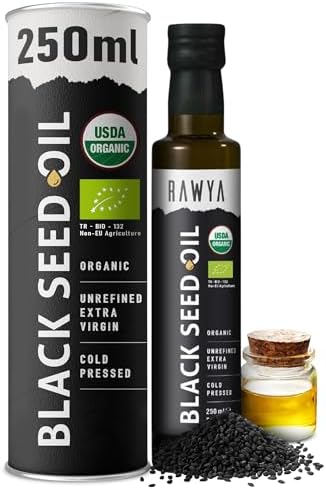
Black seed oil (Nigella sativa) is prized for its thymoquinone content, but quality varies wildly. This RAWYA product claims USDA Organic, cold-pressed, extra virgin Turkish black cumin seed oil in an 8.4 fl oz bottle with an extra-strong taste—a sign of minimal processing.
Key Considerations Before Buying
- Thymoquinone potency: Cold-pressed, extra virgin oil retains more thymoquinone, the key active compound. RAWYA's 'extra strong taste' suggests higher thymoquinone, but without a stated percentage, you're relying on sensory cues.
- Sourcing and certification: Turkish black cumin seed is often considered premium. USDA Organic and Non-GMO claims add assurance, but verify the USDA seal on the label to avoid greenwashing.
- Taste and format: Extra-strong taste means it's best taken in capsules or mixed with honey; if you prefer mild flavor, this may overwhelm. The 8.4 fl oz size is generous but requires cool, dark storage to prevent rancidity.
What Our Analysts Recommend
Look for cold-pressed, unrefined oil in dark glass bottles to protect against light degradation. Check for third-party testing for heavy metals and a clear thymoquinone percentage—ideally 1-4%—though many brands omit this. USDA Organic certification and non-GMO verification are strong quality signals.
Black Seed Oil Market Context
Market Overview
The black seed oil market is booming, driven by interest in natural anti-inflammatory and immune-support supplements. However, it's largely unregulated, so potency and purity claims often go unverified. Consumers increasingly seek organic, cold-pressed options, but premium pricing doesn't always guarantee quality.
Common Issues
Adulteration with cheaper oils (e.g., soybean, sunflower) is rampant, and many products are hexane-extracted or heat-treated, destroying thymoquinone. Rancidity is another issue, especially in large bottles that take months to finish. Some brands make misleading 'extra virgin' claims without definition.
Quality Indicators
High-quality black seed oil should be cold-pressed, unrefined, and packaged in dark glass. A strong, peppery taste indicates higher thymoquinone. Look for USDA Organic, Non-GMO Project Verified, and third-party test results. Turkish or Ethiopian seed origin is often preferred.
Review Authenticity Insights
Grade B Interpretation
A Grade B authenticity rating with 15% estimated fake reviews means most reviews are genuine, but a notable minority may be incentivized or fabricated. The adjusted rating of 4.50/5 (down from 4.89) still indicates strong satisfaction, but the drop suggests some inflated praise.
Trust Recommendation
Trust the overall sentiment but verify specific claims. Look for reviews mentioning taste, packaging, and comparisons to other brands—these are harder to fake. Be cautious of vague five-star reviews; focus on detailed, balanced feedback.
Tips for Reading Reviews
Filter for reviews with photos or specific details about the oil's color, aroma, and effects. Check if reviewers mention thymoquinone content or lab tests. Sort by 'recent' to see if quality has changed over time, and note any recurring complaints about rancidity or packaging.
Expert Perspective
RAWYA's black seed oil checks many boxes: USDA Organic, cold-pressed, extra virgin, and Turkish-sourced. The extra-strong taste suggests high thymoquinone, but without a stated percentage, it's a gamble. The 4.89 rating is impressive, but the adjusted 4.50 and 15% fake review estimate warrant caution. The 8.4 fl oz size is cost-effective but may oxidize before use if not stored properly.
Purchase Considerations
If you prioritize organic certification and strong taste, this could be a solid choice—especially if you plan to use it daily and finish within a few months. However, if you're sensitive to strong flavors or want guaranteed thymoquinone levels, consider brands that publish lab results. Check the return policy in case the taste or quality disappoints.
Comparing Alternatives
Compare with other cold-pressed, organic black seed oils that disclose thymoquinone content or offer smaller bottles for freshness. Some brands provide third-party test certificates, which can justify a higher price.


