
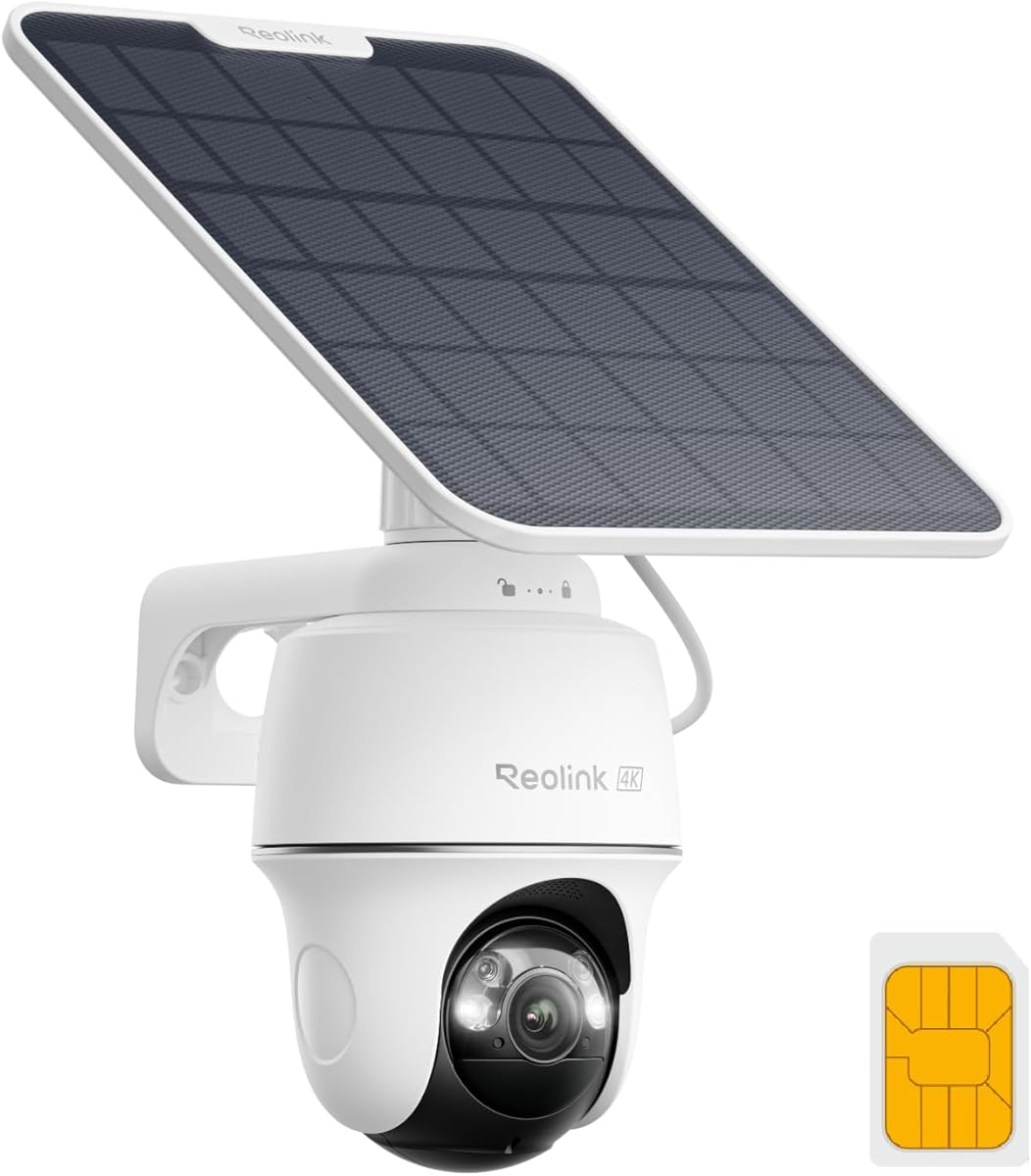
Choosing a Cellular Security Camera: What the Reolink Go PT Ultra+SP2 Reveals
The Reolink Go PT Ultra+SP2 represents a specialized niche: fully wireless outdoor surveillance that operates independently of Wi-Fi. Buyers considering this model must understand it's designed for remote locations like construction sites, barns, or vacation properties where traditional internet isn't available. Its 4K resolution, solar power, and included SIM card create a unique value proposition centered on complete installation autonomy.
Key Considerations Before Buying
- Cellular data costs are ongoing: While a SIM is included, you must activate and pay for a cellular data plan (typically through a partner like Verizon or T-Mobile), which adds a recurring monthly expense beyond the initial hardware purchase.
- Solar dependency assessment: The SP2 solar panel must receive adequate daily sunlight to maintain the camera's battery; placement in heavily shaded areas will lead to power failures, requiring manual recharging.
- Local vs. cloud storage trade-off: This camera offers both a massive 512GB local microSD card slot and cloud options, but cloud features usually require a separate subscription, adding another potential recurring cost.
What Our Analysts Recommend
For cellular cameras, scrutinize the carrier compatibility and data plan details—some lock you into specific networks. Genuine quality is shown in the robustness of the weatherproof rating (IP65 or higher is standard for outdoor use) and the clarity of the color night vision, which relies on a capable image sensor and supplemental LEDs, not just marketing claims.
Dome Cameras Market Context
Market Overview
The cellular security camera market is growing rapidly, driven by IoT expansion and demand for off-grid monitoring solutions. Products like this Reolink compete directly with brands like Arlo and Spypoint, focusing on users who need surveillance beyond the reach of a home Wi-Fi network. The integration of AI detection and auto-tracking is becoming a standard expectation in this premium segment.
Common Issues
Common pain points include unexpected cellular dead zones even with strong advertised coverage, battery drain faster than solar replenishment in winter months, and latency in live video feeds due to cellular network congestion. AI detection can also trigger false alerts from moving foliage or shadows, wasting data.
Quality Indicators
Look for detailed specifications on battery capacity (in mAh) and solar panel output (in watts), as these determine real-world uptime. True 4K resolution should be confirmed as native sensor resolution, not upscaled 2K. A transparent breakdown of all required subscriptions (cellular data, cloud storage, advanced AI features) is a hallmark of a trustworthy manufacturer.
Review Authenticity Insights
Grade B Interpretation
A 'B' grade and 11% estimated fake reviews indicate a generally trustworthy review pool, but suggest a modest level of incentivized or biased feedback exists. For the Reolink Go PT Ultra, this means most experiences are real, but you should be slightly skeptical of overly glowing reviews that don't mention data plans or solar performance.
Trust Recommendation
Focus on the 3.4 adjusted rating from verified purchases, which is more reliable than the displayed 3.56. Pay particular attention to mid-range (3-star) reviews, as they often provide the most balanced critique of the cellular connectivity stability and solar charging in different weather conditions.
Tips for Reading Reviews
Prioritize reviews that mention specific usage scenarios like 'monitoring a rural cabin' or 'on a boat dock,' as they test the core cellular premise. Be wary of reviews that only praise unboxing or setup without discussing long-term performance over weeks or months, which is critical for solar-powered devices.
Expert Perspective
The Reolink Go PT Ultra+SP2 is a capable but complex solution. Its 3.4 adjusted rating reflects real-world compromises: users praise the true wireless freedom and 4K clarity but report frustrations with cellular plan management and solar efficiency in suboptimal light. The inclusion of a SIM card and massive local storage are significant advantages, but the total cost of ownership must factor in mandatory cellular service. The AI tracking and color night vision perform well according to authentic reviews, but are dependent on a stable power and data connection.
Purchase Considerations
This camera is not a simple plug-and-play Wi-Fi replacement. Purchase it only if you have a confirmed strong cellular signal at the installation site and reliable sunlight for the solar panel. Calculate the total 2-year cost, including the hardware, cellular data plan, and any desired cloud subscription, before deciding.
Comparing Alternatives
Shoppers should compare data plan costs and carrier flexibility with competitors like the Arlo Go 2 and assess if a lower-resolution camera with a more reliable power source might better suit their specific remote monitoring needs.


