
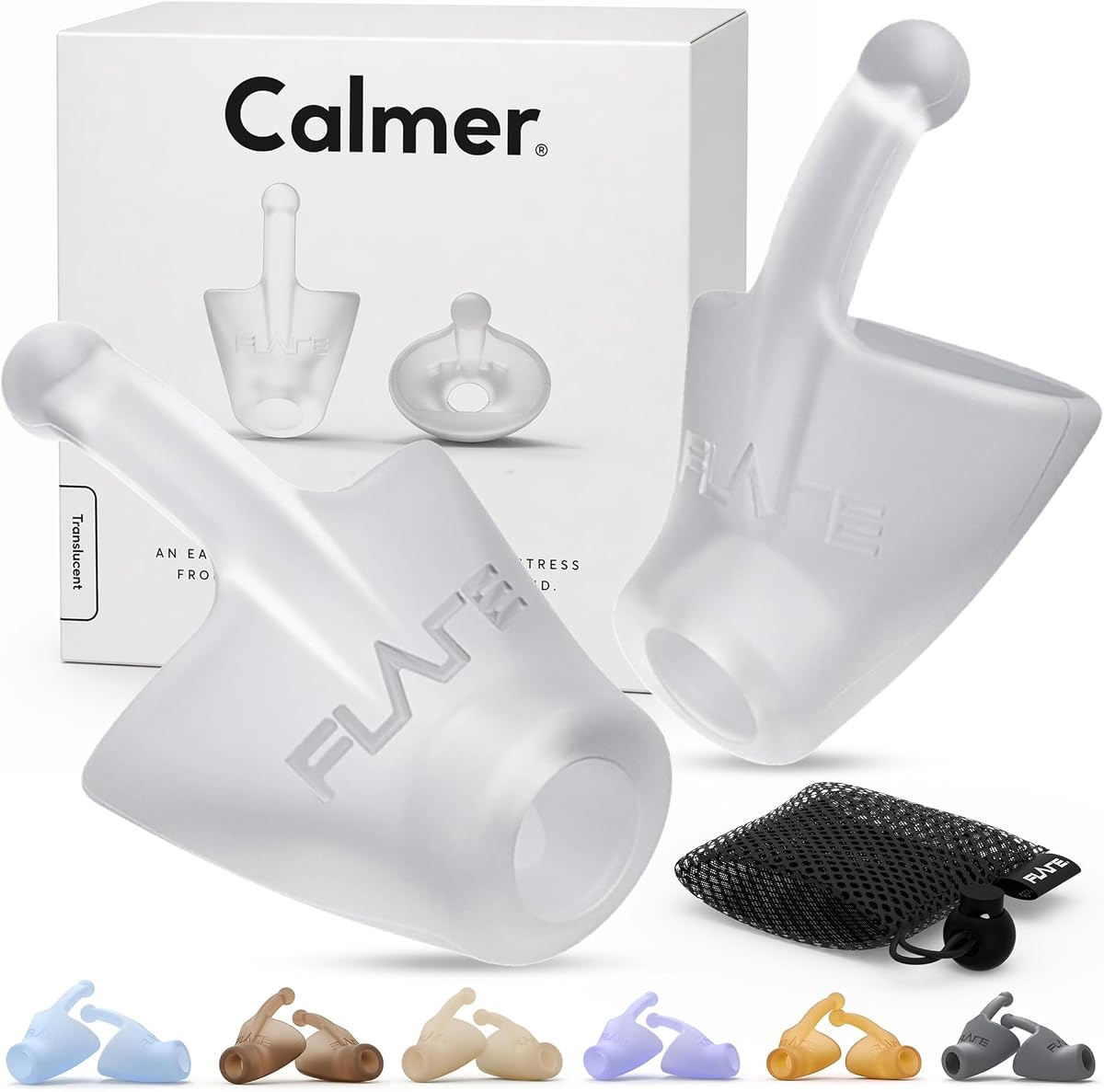
Flare Audio Calmer: A Unique Approach to Noise Sensitivity Without Full Blocking
Unlike traditional earplugs that muffle sound, Flare Audio Calmer uses a patented design to 'calm' sound waves by reducing resonance in the ear canal, making them ideal for those with noise sensitivity who still need to hear conversations. This silicone reusable device targets sensory overload from autism, ADHD, or travel without isolating you from your environment. Understanding how they differ from foam or wax plugs is key to deciding if they fit your needs.
Key Considerations Before Buying
- Consider your primary trigger: Calmer is designed for high-frequency sounds like clattering dishes or traffic noise, not for blocking loud concerts or power tools, so match it to your specific sensitivity triggers.
- Evaluate fit and comfort: The standard size may not suit all ear shapes; Flare offers a mini version for smaller ears, and the translucent silicone material requires a snug but not tight seal to work effectively.
- Determine usage context: These are best for focused work, social events, or travel where you need reduced distraction but full situational awareness—not for sleep or total silence.
What Our Analysts Recommend
Look for a design that doesn't fully occlude the ear canal, as Calmer's open structure is what preserves natural sound while filtering harsh frequencies. Quality indicators include medical-grade silicone that is hypoallergenic and reusable for weeks, plus a carrying case for hygiene. Check for user feedback on durability, as the soft silicone can degrade over time with frequent cleaning.
Earplugs Market Context
Market Overview
The earplug market has expanded beyond basic noise reduction to include specialized solutions for sensory processing, with products like Calmer targeting a niche of neurodivergent users and frequent travelers. Brands are increasingly focusing on comfort and reusability, moving away from disposable foam options to silicone and custom-molded alternatives.
Common Issues
Many users report that traditional earplugs cause discomfort or a feeling of isolation, while Calmer-style devices can be less effective for low-frequency noise like bass or engine hum. A common complaint is sizing—too loose and they don't work, too tight and they cause ear pain—so trial and error is often needed.
Quality Indicators
High-quality noise-reducing earplugs in this category should have clear instructions on cleaning and lifespan, as silicone can harbor bacteria if not maintained. Look for products with independent testing or certifications for sound reduction (e.g., SNR ratings), though Calmer doesn't block sound—it filters it, so verified user testimonials about specific use cases are more valuable.
Review Authenticity Insights
Grade B Interpretation
With a Review Authenticity Grade of B and an estimated 10% fake review rate, the vast majority of Calmer's 10,497 reviews are genuine, providing a reliable foundation for buyer decisions. This grade indicates moderate confidence, meaning you can trust the overall sentiment but should be cautious of overly glowing or vague reviews that may be incentivized.
Trust Recommendation
Focus on verified purchase reviews that include personal context, such as 'I have autism and this helped with grocery store noise,' as these are hallmarks of authenticity. The low fake percentage suggests the product has real merit, but cross-reference with external sources like Reddit or autism forums for unbiased experiences.
Tips for Reading Reviews
When reading reviews for Calmer, prioritize those that mention specific environments (e.g., open offices, restaurants) and duration of use, as effectiveness can vary. Ignore reviews that claim dramatic results without details—genuine users often note that it took time to adjust or that it didn't solve all noise issues.
Expert Perspective
Flare Audio Calmer stands out as a innovative alternative for noise sensitivity, backed by a large volume of authentic reviews that highlight its utility for sensory processing challenges. Its unique design addresses a gap in the market for those who find traditional earplugs too isolating, but it's not a one-size-fits-all solution—effectiveness depends heavily on individual ear anatomy and specific noise triggers. The B-grade authenticity score reinforces that most feedback is trustworthy, but the 10% fake rate warrants a cautious approach to extreme claims.
Purchase Considerations
Weigh the price point (typically $20-30) against the potential benefit of reduced sensory overload without sacrificing awareness—if you often feel overwhelmed by sharp sounds but need to hear speech, Calmer is worth trying. However, if your primary need is blocking loud environments like construction or sleep, consider traditional earplugs with higher noise reduction ratings instead.
Comparing Alternatives
Shoppers should compare Calmer with Loop Earplugs (which offer different noise reduction levels) or custom-molded musicians' earplugs for a more tailored fit, especially if standard sizing doesn't work for you.


