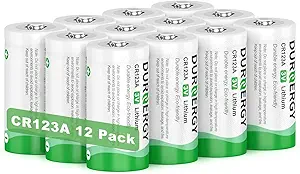
Choosing CR123A Lithium Batteries: What Matters for Your High-Drain Devices
When selecting CR123A batteries like the Voniko 6-pack, you're powering devices that demand consistent voltage under load, such as tactical flashlights, security cameras, or medical equipment. The 10-year shelf life claim is particularly relevant for emergency kits or infrequently used devices where reliability after storage is critical. Unlike standard alkaline batteries, these 3V lithium cells maintain voltage better in high-drain applications.
Key Considerations Before Buying
- Verify your device specifically requires CR123A/CR123/16340 size—these are not interchangeable with standard AA or AAA batteries despite similar appearance.
- Consider the 6-pack quantity: while cost-effective, ensure you'll use them within a reasonable timeframe to maximize the shelf life advantage before natural discharge occurs.
- Non-rechargeable lithium batteries like these offer superior cold-weather performance compared to NiMH alternatives, making them ideal for outdoor equipment in variable climates.
What Our Analysts Recommend
For CR123A batteries, check for consistent diameter (slightly wider than AA) and secure terminal contacts that won't loosen in vibration-prone devices. Quality manufacturers clearly stamp expiration dates or manufacturing codes to validate the 10-year shelf life claim. Packaging should protect against accidental contact that could cause short-circuiting.
3V Market Context
Market Overview
The CR123A market is bifurcated between premium brands like Duracell and Panasonic, and value-oriented options like Voniko that compete on price-per-cell in multi-packs. These batteries occupy a niche between consumer alkaline and specialized industrial lithium cells, often used in photography, security, and outdoor recreation equipment. Recent years have seen increased competition from rechargeable 16340 Li-ion cells, though non-rechargeable options maintain advantages in shelf life and immediate readiness.
Common Issues
Users frequently encounter compatibility confusion with similar-sized batteries, leading to device damage or poor performance. Some budget CR123A batteries exhibit voltage sag under high current draw, causing flashlights to dim prematurely or security sensors to malfunction. Counterfeit cells with inflated capacity claims occasionally appear in online marketplaces, posing safety risks in high-drain applications.
Quality Indicators
Genuine lithium CR123A batteries should maintain near-3V output throughout most of their discharge cycle, not gradually decline like alkaline cells. Quality packaging includes anti-tamper seals and proper safety warnings in multiple languages. Reputable manufacturers provide batch codes that allow tracing manufacturing dates, essential for verifying shelf life claims.
Review Authenticity Insights
Grade B Interpretation
The 'B' authenticity grade with 11% estimated fake reviews suggests generally trustworthy feedback, though approximately 1 in 9 reviews may be artificially positive. This fake rate is moderate for the battery category where incentivized reviews sometimes occur. The 0.24-point drop from the displayed 4.44 to adjusted 4.20 rating indicates some review inflation but not systematic manipulation.
Trust Recommendation
Focus on verified purchase reviews that mention specific devices like Streamlight or SureFire flashlights, as these demonstrate real-world testing. Be slightly skeptical of reviews emphasizing only price without discussing performance in high-drain scenarios. The high number of genuine reviews (over 8,600 authentic) provides substantial data points for evaluation.
Tips for Reading Reviews
Prioritize reviews discussing runtime comparisons in actual devices, not just 'they work.' Look for mentions of storage performance—important for the 10-year shelf life claim. Reviews noting consistent performance across all 6 cells in the pack indicate good manufacturing quality control.
Expert Perspective
Voniko's CR123A offering represents a value proposition in the lithium primary cell market, trading some brand recognition for competitive pricing in a 6-pack format. The 4.20 adjusted rating from nearly 10,000 reviews suggests satisfactory performance for most applications, though not necessarily matching premium brands in extreme conditions. The verified purchase percentage lends credibility to the positive feedback regarding shelf life and immediate performance out of packaging. For emergency preparedness where batteries may sit for years, the shelf life claim warrants particular attention.
Purchase Considerations
Evaluate whether your usage pattern justifies non-rechargeable batteries—if you cycle through cells weekly, rechargeable options might be more economical long-term. Consider the 6-pack format: ideal for stocking multiple devices or locations, but potentially excessive for single-device users. The lithium chemistry's temperature tolerance makes these suitable for vehicles or outdoor storage where temperatures fluctuate.
Comparing Alternatives
Compare voltage consistency under load and cold-weather performance with similarly priced CR123A options from Tenergy or EBL if those factors are critical for your application.